
Why Cinco de Mayo Isn’t as Big in Mexico as People Think?
Every year on May 5th, cities across the United States fill with fiestas, margaritas, mariachi music, and celebrations known as Cinco de Mayo. Many people believe it is Mexico’s Independence Day, but that is actually incorrect.
So why is Cinco de Mayo not celebrated across Mexico with the same intensity? The answer comes from history, culture, politics, and the different ways the holiday developed in the United States and in Mexico.
What Is Cinco de Mayo?
Cinco de Mayo commemorates the Battle of Puebla, which took place on May 5, 1862.
During this battle, the Mexican army defeated French forces near the city of Puebla. At the time, France, under Emperor Napoleon III, was attempting to invade Mexico and establish control over the country. Although the French army was larger, better equipped, and considered one of the strongest militaries in the world, Mexican troops led by General Ignacio Zaragoza achieved an unexpected victory.
The battle became a symbol of resistance, unity, and national pride.
Is Cinco de Mayo Mexico’s Independence Day?
No. Mexico’s Independence Day is celebrated on September 16, not May 5. September 16 marks the beginning of Mexico’s war for independence from Spain in 1810, started by Miguel Hidalgo’s famous “Grito de Dolores.” This is Mexico’s largest patriotic celebration, featuring massive parades, fireworks, traditional food, music, and national ceremonies in nearly every city and town. Compared to Independence Day, Cinco de Mayo is relatively minor in most parts of Mexico.
Where Is Cinco de Mayo Actually Celebrated in Mexico?
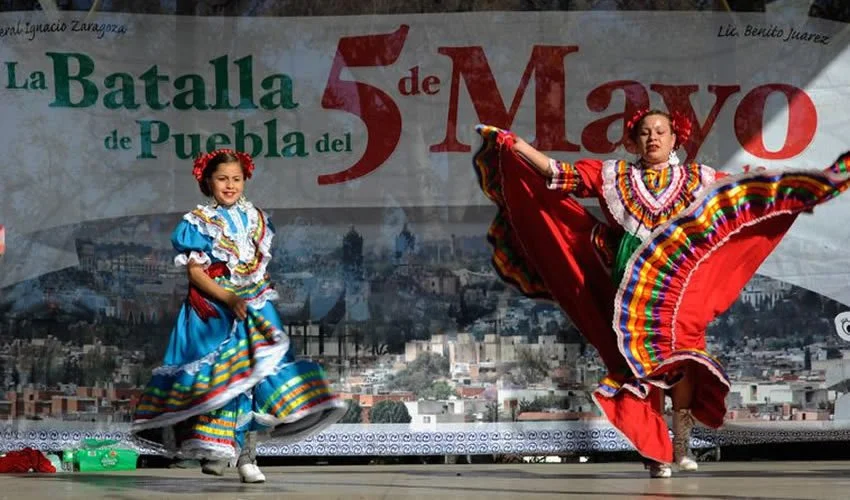
The holiday is mainly significant in the state of Puebla, where the battle occurred. In Puebla, people celebrate with military reenactments, civic parades, historical ceremonies, cultural festivals, and school events. Outside Puebla, many Mexicans simply recognize the date historically but do not celebrate extensively. In cities such as Mexico City, Cancún, Guadalajara, or Monterrey, May 5 is often just a normal work or school day.
Why Did Cinco de Mayo Become So Huge in the United States?
This is where the story becomes especially interesting. Cinco de Mayo grew in popularity in the United States largely because Mexican American communities embraced it as a celebration of cultural identity and heritage.
Early Mexican American Pride
In the 1860s, Mexican Americans in California celebrated the Battle of Puebla because they viewed the Mexican victory over France as a victory against European imperialism and oppression. The holiday became a symbol of resilience and pride for Mexican communities living in the United States.
The Chicano Movement
During the 1960s and 1970s, the Chicano civil rights movement revived Cinco de Mayo as a celebration of Mexican American identity, culture, and empowerment. It became less about the actual historical battle and more about celebrating heritage, honoring Mexican roots, building community, and promoting cultural pride.
Commercialization of the Holiday
Over time, American companies, especially beer, alcohol, and restaurant brands, heavily marketed Cinco de Mayo. Bars and restaurants promoted tequila specials, taco nights, themed parties, and drinking events. As a result, the holiday transformed into a large commercial celebration in the United States, often disconnected from its historical origins. Ironically, many Mexicans are surprised by how massive Cinco de Mayo celebrations are north of the border.
Who Celebrates Cinco de Mayo Today?
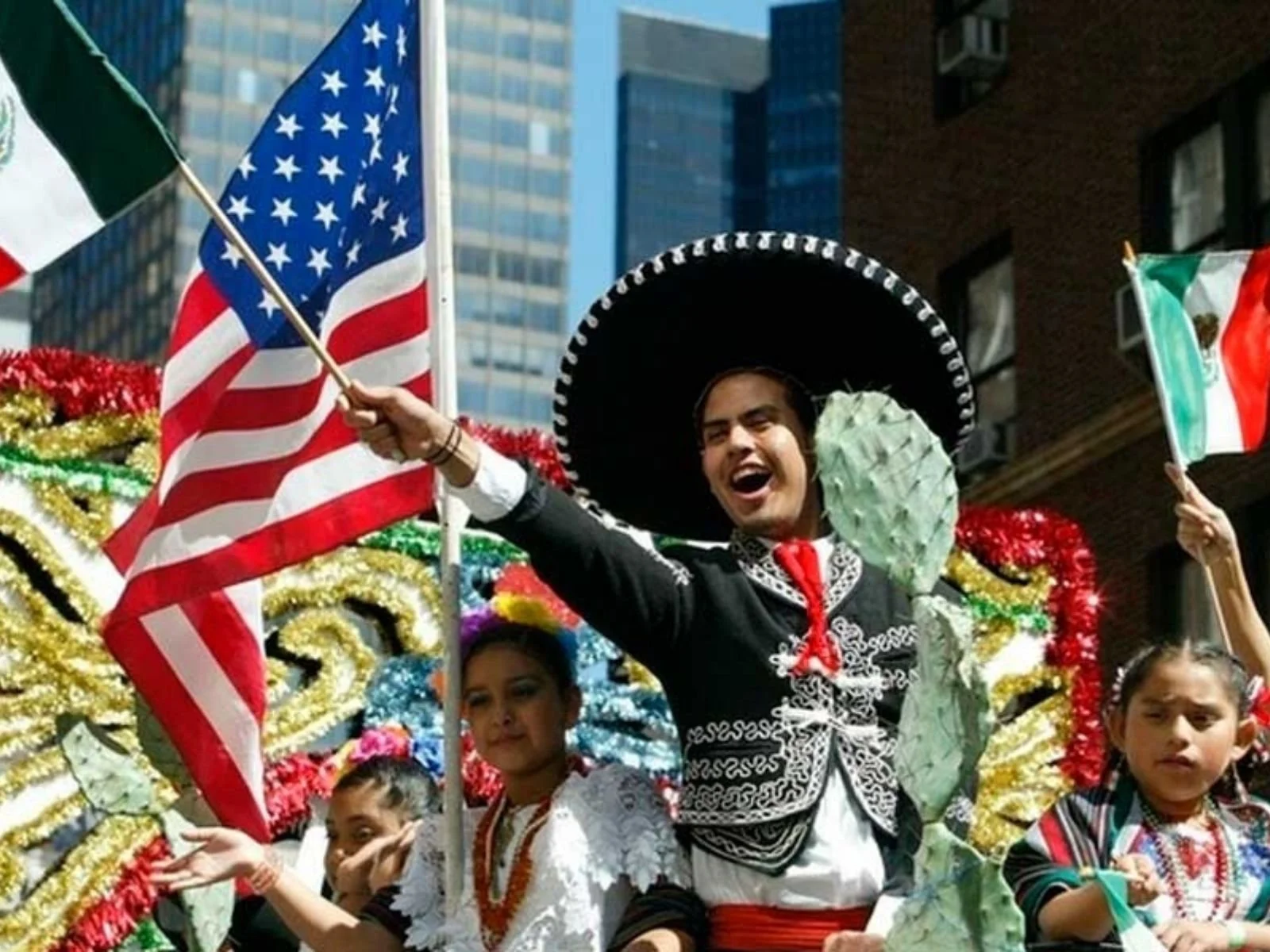
Today, Cinco de Mayo is celebrated most enthusiastically in the United States, among Mexican American communities, and in Puebla, Mexico. Major U.S. cities with large celebrations include Los Angeles, Chicago, Houston, San Antonio, and Phoenix. These events often include parades, folkloric dancing, mariachi performances, food festivals, and cultural exhibitions.
Why Isn’t It a National Holiday in Mexico?
The Battle of Puebla was important symbolically, but it did not end the war against France. In fact, France later occupied Mexico City and installed Emperor Maximilian I as ruler. Because the battle was only one moment in a much larger conflict, it never became the defining national event that Independence Day did.
For many Mexicans, Cinco de Mayo is viewed as a regional historical commemoration rather than a nationwide patriotic holiday.
Common Misconceptions About Cinco de Mayo
Myth #1: It’s Mexico’s Independence Day
False. Mexico’s Independence Day is September 16.
Myth #2: Everyone in Mexico Celebrates It
Not really. Most major celebrations happen in Puebla.
Myth #3: It’s Just About Parties and Alcohol
Historically, the holiday represents resistance, resilience, and national pride.
Cinco de Mayo means very different things depending on where you are.
In Mexico, especially outside Puebla, it is mostly a historical remembrance. In the United States, it evolved into a broader celebration of Mexican American culture and identity.
It’s global popularity says less about Mexico itself and more about the cultural influence of Mexican communities in the United States.
Understanding the real history behind Cinco de Mayo helps move beyond stereotypes and appreciate the deeper story of resilience, identity, and cultural pride behind the holiday.
To learn more about Na’atik’s English language program for local and Indigenous students in Felipe Carrillo Puerto, visit our Impact Page. We are only able to provide this much needed program thanks to the support of generous donors and the funds raised from our award winning Maya and Spanish Immersion Program. If you would like to support our mission please consider donating today or take a look at our immersion programsand online class packages.