
In Mexico, every May 23rd is an important date that commemorates the student movement of 1929, when students played a key role in transforming the country’s educational system. Through protests against the government policies of that time, they raised their voices in support of university autonomy, better educational conditions, and freedom of thought.
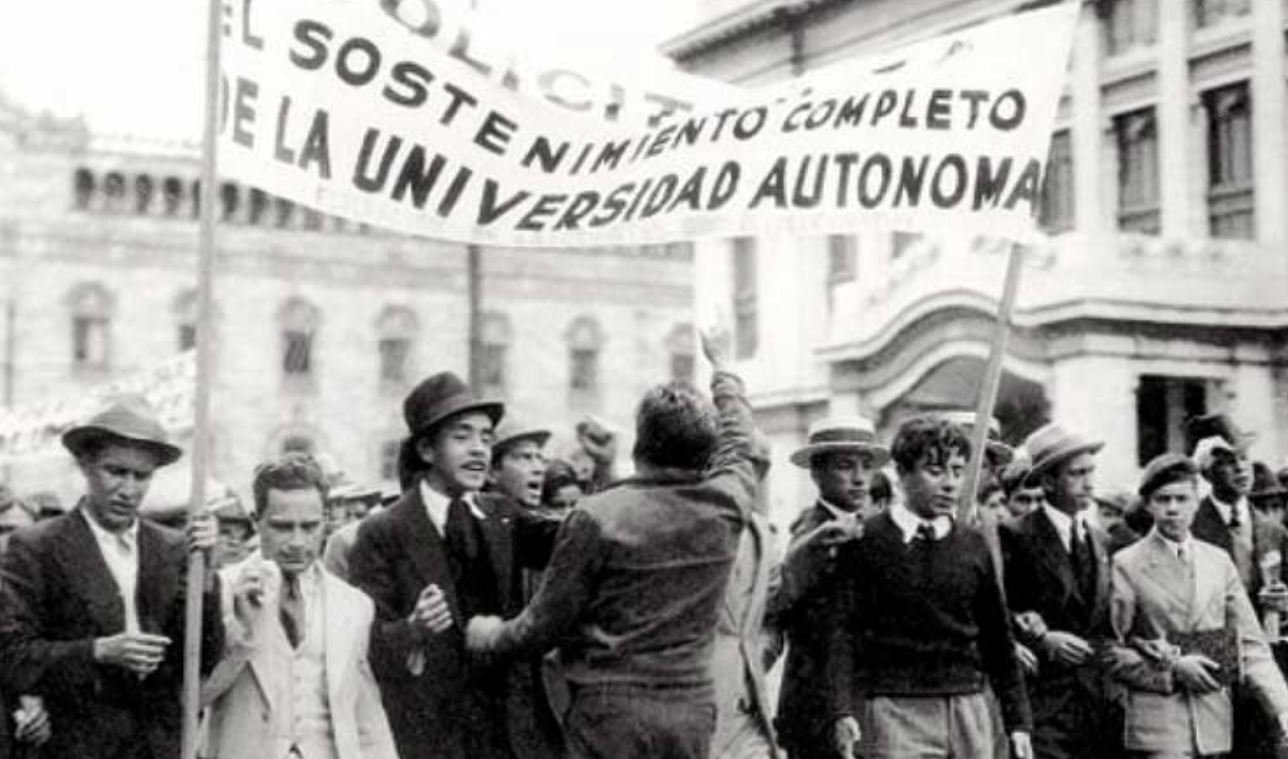
University authorities decided to implement changes that caused dissatisfaction among the student community, such as extending high school education by one year and modifying the professional exams at the Faculty of Law. At first, students attempted to negotiate with the authorities, but they only received negative responses.
On May 23, 1929, a confrontation took place at the Faculty of Law between students and firefighters, leaving people injured on both sides. This event led to the expansion of the student movement and encouraged students from other faculties to speak out against what had happened. Another protest was held on May 27 of the same year, along with a tribute to the students who had been injured during the previous events.
Emilio Portes Gil, who was the president of Mexico at the time, decided to meet the demands of the student movement. A law was passed recognizing the university autonomy of the National University of Mexico (now known as the National Autonomous University of Mexico, or UNAM). In addition, May 23rd was officially declared Student’s Day, and a plaque bearing the words Plaza 23 de Mayo was placed in Plaza de Santo Domingo.
How is Student’s Day celebrated in Mexico?
The purpose of the activities held on this day is to commemorate and honor all the students who sought to improve education through their actions and voices. The celebrations vary depending on the school, but some of the most common activities include:
Cultural and academic events. These include conferences, dance, music, and theater performances, as well as civic ceremonies at schools.
Social gatherings. Schools often organize gatherings, fairs, or kermés-style events for students.
Visits to symbolic places. This is more common in Mexico City, where students visit the Plaza de las Tres Culturas in Tlatelolco in remembrance of the events of October 2, 1968, or take tours through the Historic Center, where the 1929 protests took place.
To learn more about Na’atik’s English language program for local and Indigenous students in Felipe Carrillo Puerto, visit our Impact Page. We are only able to provide this much needed program thanks to the support of generous donors and the funds raised from our award winning Maya and Spanish Immersion Program. If you would like to support our mission please consider donating today or take a look at our immersion programsand online class packages.