
In Mexico, November 20 is the day we commemorate the beginning of the Mexican Revolution, when the people rose up against the government of Porfirio Díaz, who had ruled the country for nearly 30 years under an authoritarian regime. Let's take a closer look at the roles and positions of some of the main leaders of this movement, which left a lasting mark on the country's history.
Porfirio Díaz
Born in 1830 in the state of Oaxaca, Porfirio Díaz was a Mexican politician and military officer who played an important role in several key moments in the country's history.
He ruled Mexico from 1877 to 1911, although from 1880 to 1884, the presidency was held by Manuel González. During this period, known as the Porfiriato, significant changes took place that helped boost the country's economy. Railroads were built, factories and businesses expanded, mineral resources were increasingly exploited, electricity became more widely used in cities, and foreign investment was encouraged.
However, these developments did not benefit everyone, leading to a number of social problems. Many farmers lost their land, workers received low wages and had to work long hours, and there was a growing divide between social classes, as much of the country's wealth remained concentrated in the hands of a few. On top of that, there was little real democracy, and the government frequently repressed political opposition and public protests.
In the 1910 presidential election, Francisco I. Madero ran against Porfirio Díaz as an opposition candidate, but he was arrested during the electoral process. Madero eventually escaped, and on October 5 of that year, he issued the Plan of San Luis, in which he rejected Díaz's government and called on the Mexican people to take up arms on November 20.
Eventually, Porfirio Díaz resigned from the presidency on May 25, 1911, and left the country. He died on July 2, 1915, in Paris, France.
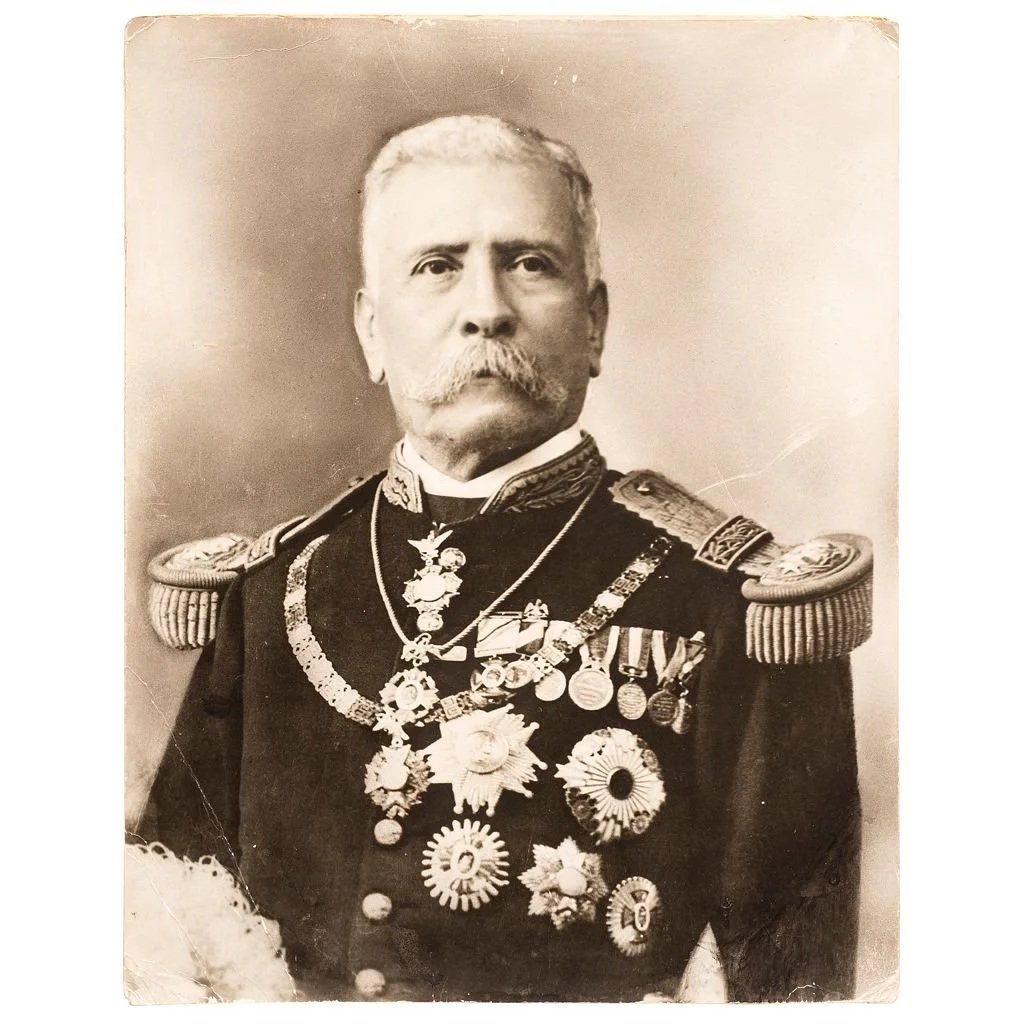
Porfirio Díaz | Source: Morton Subastas
Francisco I. Madero
Francisco I. Madero was born in 1873 in the state of Coahuila, into a wealthy family of business owners and landowners. Despite his privileged background, he became known for his efforts to improve working conditions for his employees and the well-being of the community around him.
In 1908, he wrote a book titled The Presidential Succession of 1910, in which he strongly criticized Porfirio Díaz's government and advocated for democracy. He also called for the creation of the National Democratic Party, with the intention of running for president in the 1910 elections. During his campaign, he traveled to several cities across the country, gaining more and more supporters. As a result, he became a growing threat to Díaz's government.
He was arrested in Monterrey on June 7, 1910, on the grounds that he was disturbing public order. As a result, he was unable to participate freely in the election, which he ultimately lost to Porfirio Díaz, since the voting took place while he was in custody. He was later transferred to San Luis Potosí, where he managed to escape before making his way to San Antonio, Texas.
On October 5, 1910, he issued the Plan of San Luis, in which he rejected Porfirio Díaz's government, declared the recent election results invalid, and called on the Mexican people to take up arms against the government on November 20, 1910.
On November 6, 1911, Madero became president of Mexico. Although his administration lasted only 15 months, he sought to introduce measures to improve workers' conditions and expand access to education. However, his presidency was marked by several uprisings and conflicts against his government. Eventually, Francisco I. Madero and Vice President José María Pino Suárez were assassinated in 1913 in what is now Mexico City, on the orders of Victoriano Huerta.
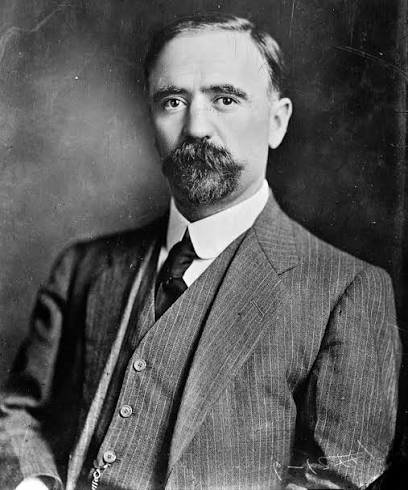
Francisco I. Madero | Source: Wikipedia
Emiliano Zapata
Emiliano Zapata, also known as El Caudillo del Sur (The Leader of the South), was born in 1879 in the state of Morelos. He became one of the most important figures in the fight for peasants' rights, particularly when it came to addressing inequality in land distribution.
In 1910, he joined the revolutionary movement led by Francisco I. Madero, hoping to restore land to the peasants. However, once Madero became president, he postponed addressing this issue. Frustrated by the lack of progress, Emiliano Zapata issued the Plan of Ayala and took up arms against Madero's government.
In 1913, Madero was overthrown by Victoriano Huerta. Emiliano Zapata and Pancho Villa joined forces to continue the revolutionary struggle. However, over time, their goals and ideals began to diverge, and they eventually went their separate ways.
Zapata was ultimately assassinated at a hacienda in Chinameca, Morelos, on April 10, 1919. He became one of the most iconic figures of the Mexican Revolution, remembered for defending the rights of the country's poorest and most disadvantaged peasants.
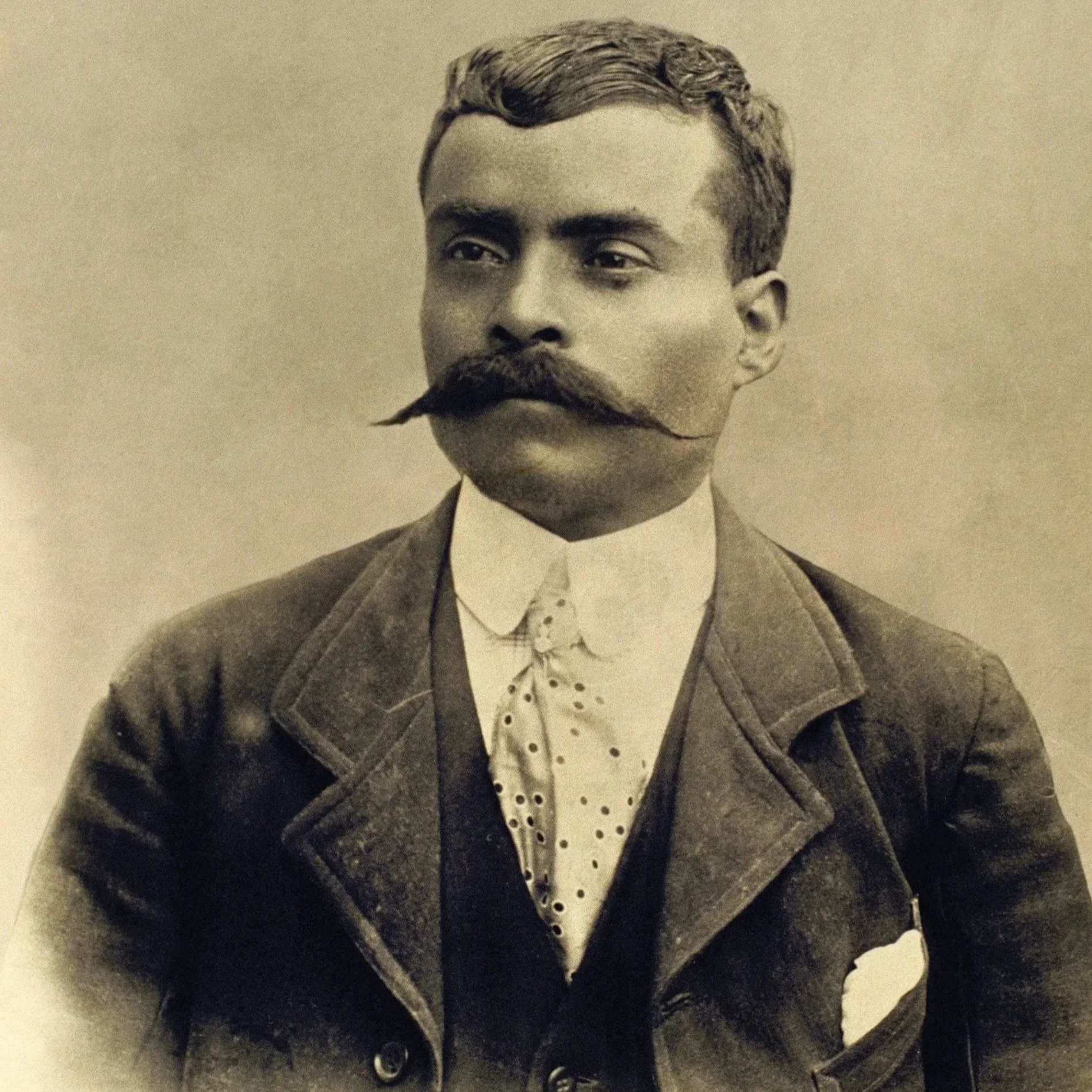
Emiliano Zapata | Source: National Geographic
Pancho Villa / Doroteo Arango
Doroteo Arango, better known as Pancho Villa, was born in 1878. At a young age, he became an outlaw who was known for helping the poor and disadvantaged. Around 1900, he settled in the state of Chihuahua, where he sought to fight against wealthy landowners who continued to accumulate more and more wealth.
Pancho Villa also supported and joined the revolutionary movement led by Francisco I. Madero, remaining part of the struggle until Madero was assassinated on the orders of Victoriano Huerta.
Villa and Zapata joined forces to fight against Huerta's new government. Venustiano Carranza, who was governor of the state of Coahuila at the time, also joined the revolutionary movement. However, the alliance between Villa and Carranza gradually began to fall apart. When the revolutionary leaders refused to recognize Carranza's authority, he withdrew to Veracruz.
Eventually, disagreements between Zapata and Villa led to the breakdown of their alliance. Zapata returned to the south, while Carranza was able to regain ground and focus his efforts on defeating Villa's forces. Carranza's troops eventually entered Mexico City victorious.
In 1920, Pancho Villa signed the Treaties of Sabinas, officially agreeing to lay down his arms and retire from armed conflict. Despite having stepped away from the fighting and begun a different life, Villa was assassinated in 1923 while traveling in his car in the town of Parral, Chihuahua.
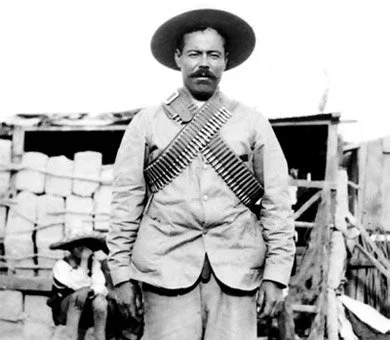
Pancho Villa | Source: El Viejo Topo
Venustiano Carranza
Venustiano Carranza was born in 1859 in the state of Coahuila. In 1887, he became mayor of Cuatro Ciénegas, his hometown, marking the beginning of his political career, which gradually gained momentum. However, due to disagreements with the governor of the state at the time, he left his position and stepped away from public life for a while.
When he returned to politics, he found that the people were strongly protesting against the governor of Coahuila, who refused to step down. This eventually led to an armed uprising that forced Garza Galán to leave office. Carranza was later elected as a congressman, senator, and eventually governor of Coahuila, helping him gain greater recognition and support among the people.
Carranza joined the revolutionary movement led by Madero. However, even after their victory, many people remained dissatisfied with the decisions made by Madero's government. Following Madero's assassination and Victoriano Huerta's rise to power, Carranza issued the Plan of Guadalupe, in which he rejected Huerta's government and called for a movement to restore constitutional order.
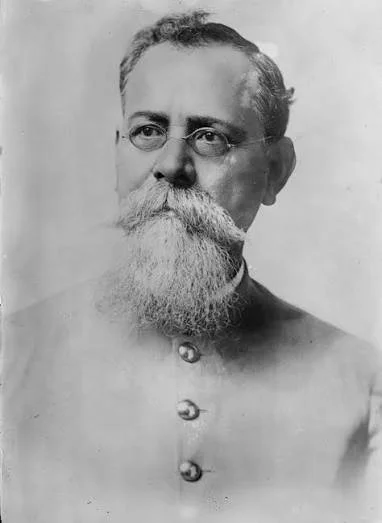
Venustiano Carranza | Source: Memoria Política de México
Victoriano Huerta
Victoriano Huerta was born in 1850 in the state of Jalisco. He was a Mexican military officer and politician who graduated from the Military College of Chapultepec with the rank of lieutenant. Throughout his military career, he steadily climbed the ranks until becoming a general. He became known for his repeated involvement in suppressing rebellions and uprisings against Porfirio Díaz's government.
Although he initially served under Madero's government, which came to power after Porfirio Díaz went into exile, Huerta eventually turned against him. In February 1913, he took part in a military coup known as the Ten Tragic Days (La Decena Trágica), during which Madero's government was overthrown. Huerta betrayed Madero, forced him to resign, and took over the presidency.
Shortly afterward, on February 22, 1913, Francisco I. Madero and Vice President José María Pino Suárez were assassinated on Huerta's orders. This marked the beginning of Huerta's dictatorship and sparked widespread opposition across the country.
His rise to power led to a new phase of the Mexican Revolution, as several revolutionary leaders, including Venustiano Carranza, Emiliano Zapata, and Pancho Villa, took up arms against his government.
Eventually, Huerta was forced to resign on July 15, 1914, after his government lost support and revolutionary forces continued to advance. He left Mexico and went into exile, bringing his brief but controversial presidency to an end. He died on January 13, 1916, in El Paso, Texas, while in exile in the United States.
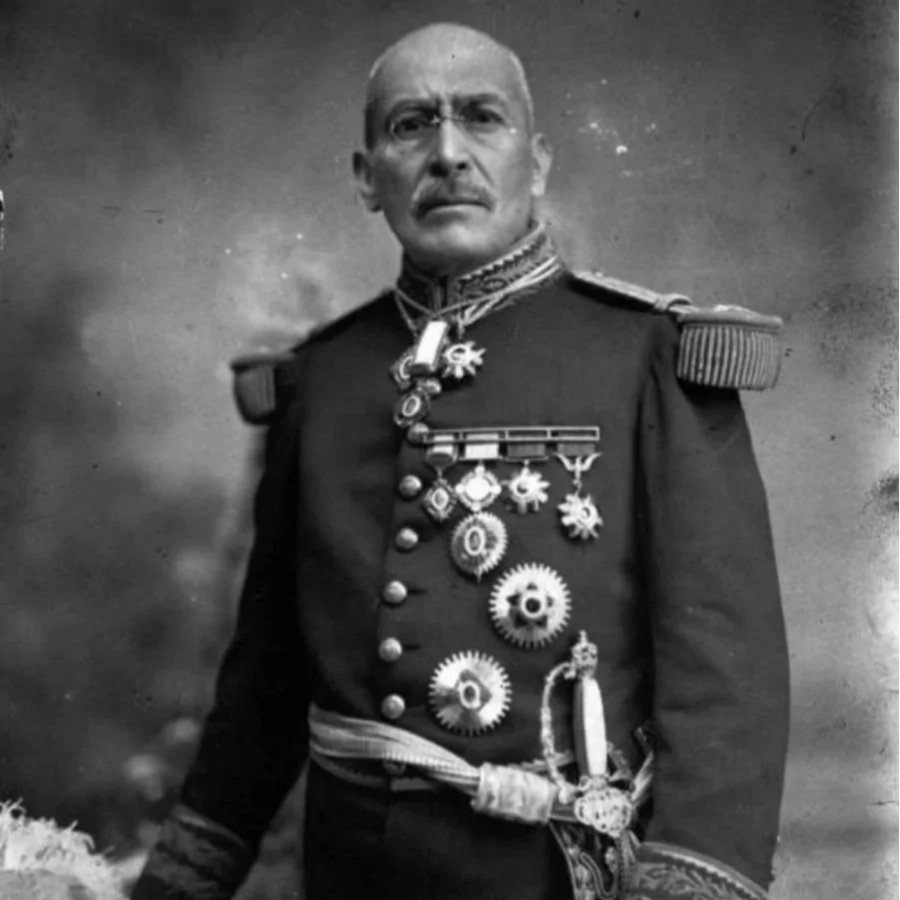
Victoriano Huerta | Source: México Desconocido
To learn more about Na’atik’s English language program for local and Indigenous students in Felipe Carrillo Puerto, visit our Impact Page. We are only able to provide this much needed program thanks to the support of generous donors and the funds raised from our award winning Maya and Spanish Immersion Program. If you would like to support our mission please consider donating today or take a look at our immersion programs and online class packages.