
Every November, Mexico is filled with nostalgia, memories, and vibrant colors. In many parts of the country, the air carries the scent of cempasúchil and copal incense, which are traditionally placed on altars to honor those who are no longer with us. Yet, every region has its own unique way of remembering and celebrating the lives of loved ones who have passed away.
In the Yucatán Peninsula, this tradition takes the form of Janal Pixán, which means “food for the souls” in Maya (Janal = food, Pixán = soul). This year, we once again celebrated this special time of year alongside a group of immersion students through a series of cultural activities that gave them the opportunity to learn firsthand how members of the local community experience and keep this tradition alive.
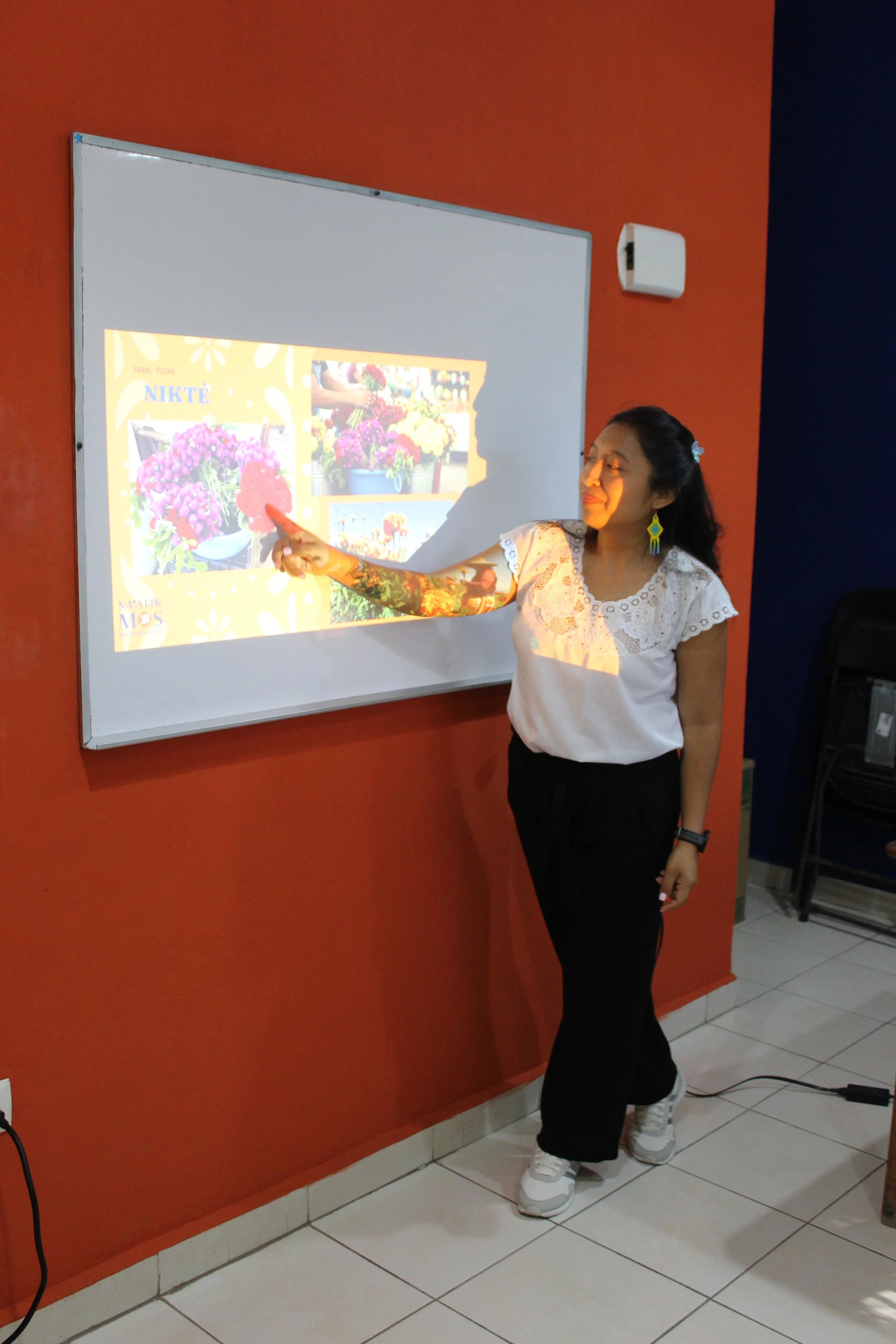
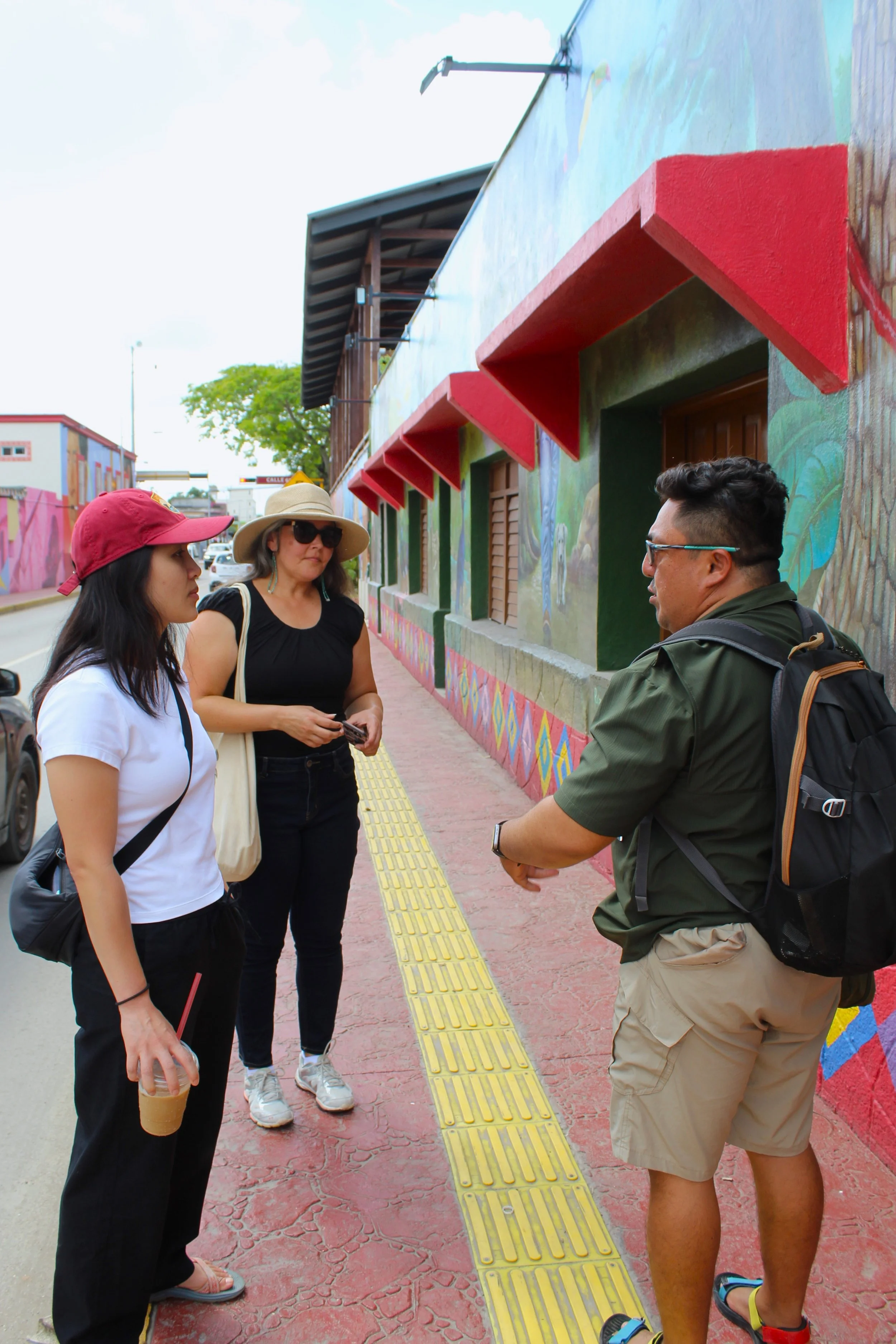
We kicked off the experience with Licey, one of our Spanish teachers, who prepared a presentation introducing students to the different elements traditionally found on Janal Pixán altars, including their names in both Maya and Spanish. Afterwards, Javier took us on a tour of Los Caminos Ancestrales, a series of streets featuring murals that capture and showcase the spirit of the Maya region.
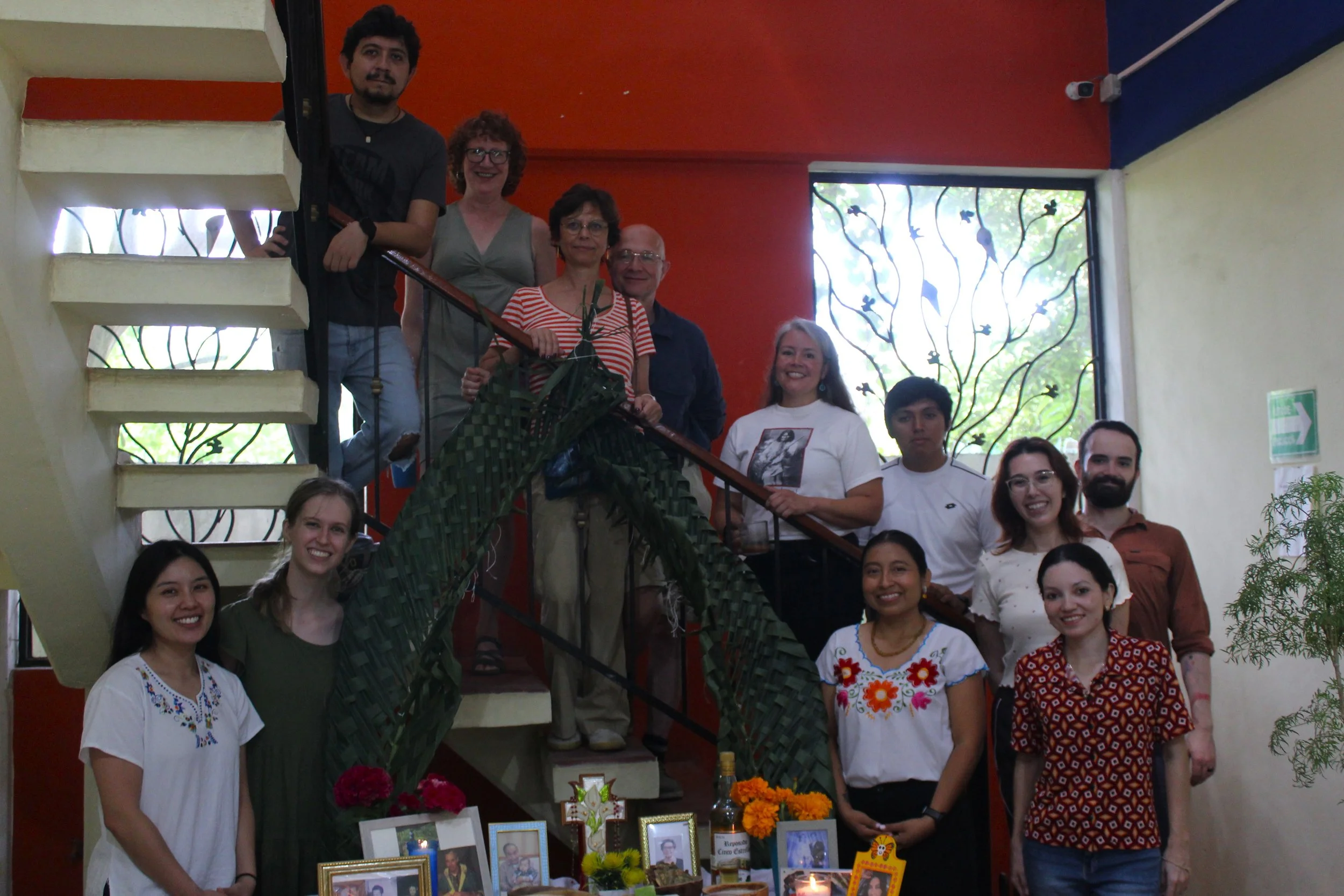
The following day, our immersion students joined some of our local students to put together a traditional Janal Pixán altar. As they worked together, they continued learning about what this tradition means to the community, sharing the dishes their families typically prepare for the occasion, and discovering interesting facts along the way, including the story behind La Catrina, which eventually became one of the most recognizable symbols of Mexico's Day of the Dead celebrations.
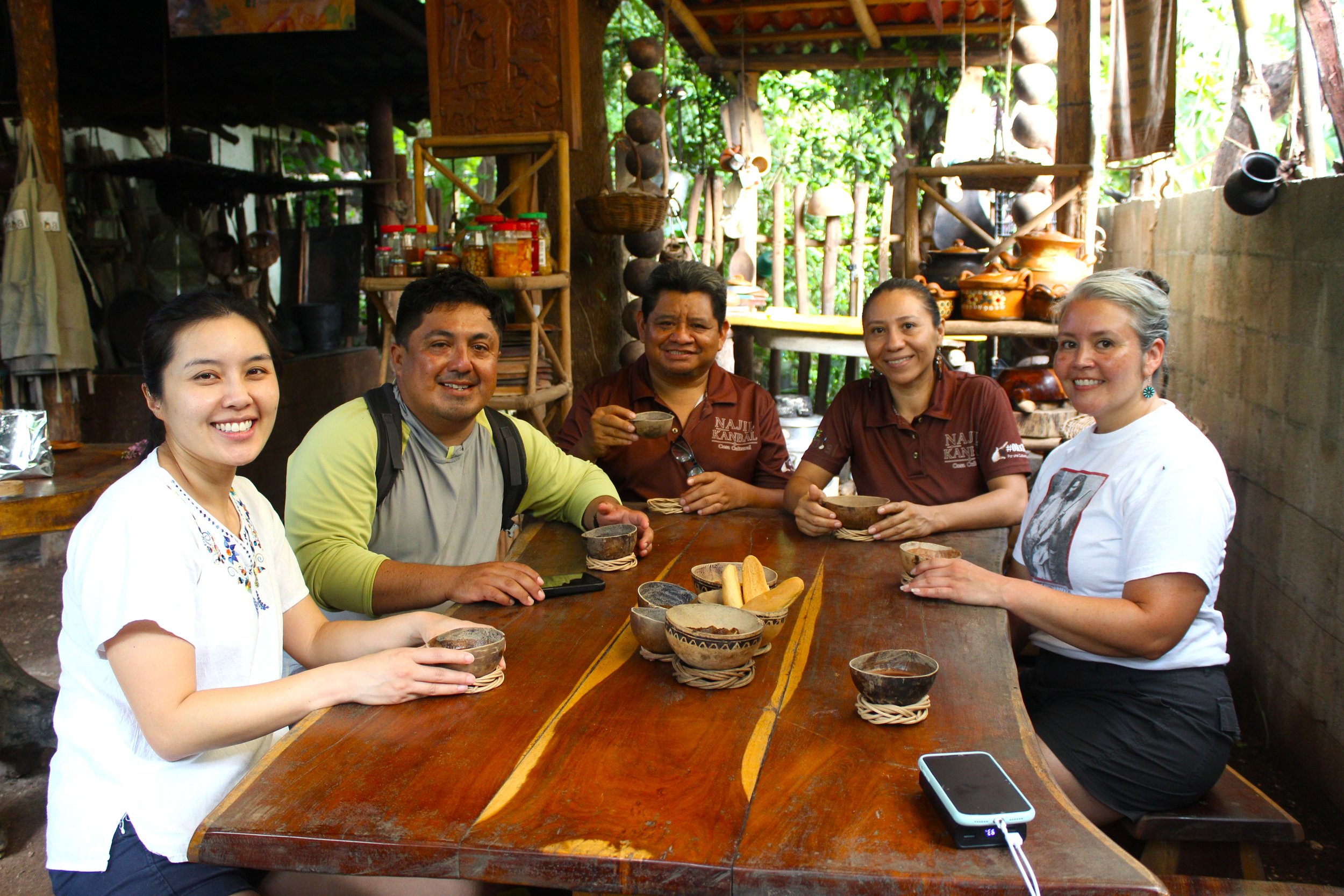
We continued the day with a visit to Kolnáal – Cocina Maya, where we spent a lovely afternoon with Don Basilio and Alejandra. They shared more about traditional dishes prepared during this time of year and explained the meaning behind the different elements placed on the altar. To wrap up our visit, we gathered around the table to enjoy a delicious cup of hot chocolate while chatting about how Día de Muertos is celebrated differently across Mexico, as well as the similarities and differences between this tradition and those found in our students' own cultures.
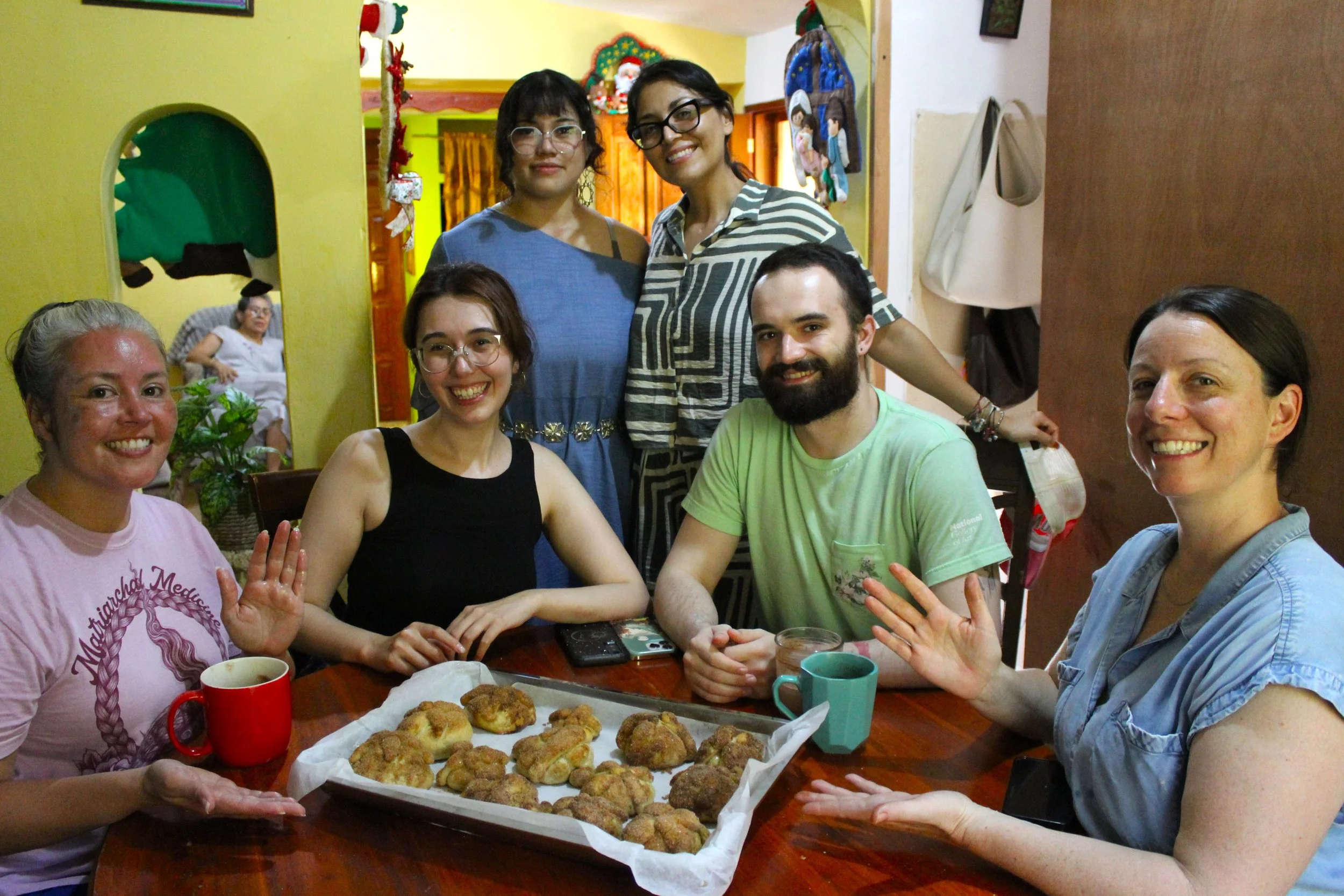
On our final day, we wrapped up this cultural experience with a visit to one of our host families, who welcomed us into their home to teach us how to make homemade pan de muerto (bread of the dead) and introduce us to one of Mexico's most beloved traditional games: Lotería. This time, we added a special twist by playing a Janal Pixán-themed version of the game!
Through all these activities, our goal was to give students a deeper understanding of Janal Pixán, its meaning, and its importance to the local community. It was a truly authentic experience that allowed our immersion students not only to connect with members of the community but also to learn directly from them, ask all the questions they had, and see firsthand how this beautiful tradition continues to be passed down from one generation to the next.
After all, traditions like Janal Pixán stay alive because people continue to share them, celebrate them, and welcome others into their world.
To learn more about Na’atik’s English language program for local and Indigenous students in Felipe Carrillo Puerto, visit our Impact Page. We are only able to provide this much needed program thanks to the support of generous donors and the funds raised from our award winning Maya and Spanish Immersion Program. If you would like to support our mission please consider donating today or take a look at our immersion programs and online class packages.