
Why Cenotes Were Sacred to the Ancient Maya
When most people think of a cenote, they imagine crystal clear water, lush jungle, and the perfect place for a refreshing swim. While cenotes are certainly one of the Yucatán Peninsula's most breathtaking natural wonders, they held a much deeper meaning for the ancient Maya.
For the Maya, cenotes were sacred places where nature, spirituality, and daily life came together. They were sources of fresh water, places of ceremony, and gateways to the spiritual world. Even today, they remain an important part of the cultural identity of the Maya region.
A Lifeline in the Maya World
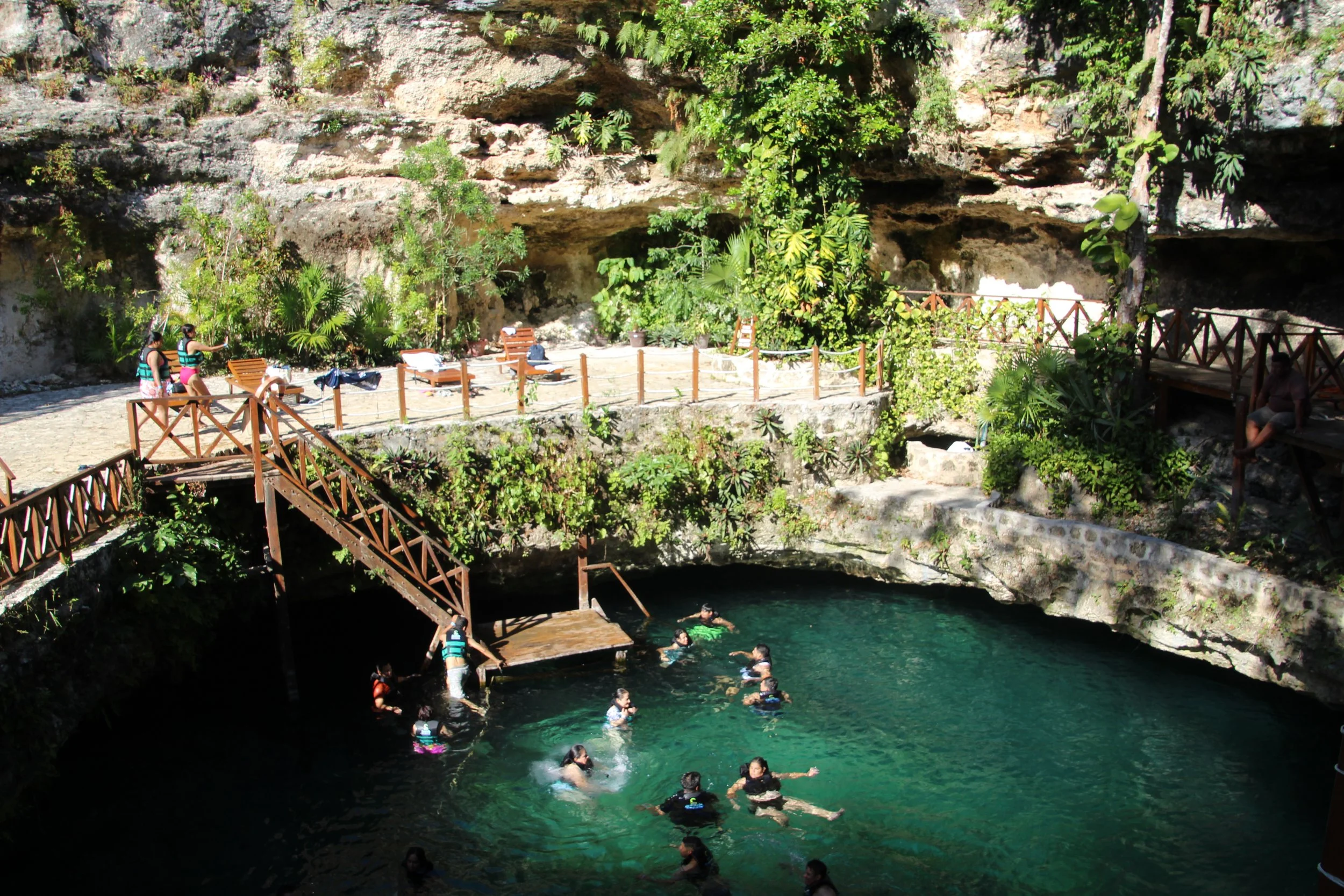
Unlike many other parts of Mexico, the Yucatán Peninsula has very few rivers or lakes on its surface. Instead, rainwater filters through the region's porous limestone, creating an immense network of underground rivers and natural sinkholes known as cenotes.
These freshwater pools made it possible for great Maya cities to flourish. They provided drinking water, supported agriculture, and sustained entire communities for centuries. Without cenotes, life in much of the peninsula would have been impossible.
Sacred Gateways to Xibalba
Beyond their practical importance, cenotes held profound spiritual significance.
The ancient Maya believed that many cenotes were entrances to Xibalba, the underworld described in Maya mythology. Xibalba was not simply a place of darkness or punishment. It was a sacred realm where gods, ancestors, and powerful spiritual beings existed, representing both death and renewal as part of the natural cycle of life.
Because of this belief, cenotes became places where the physical and spiritual worlds were thought to meet.
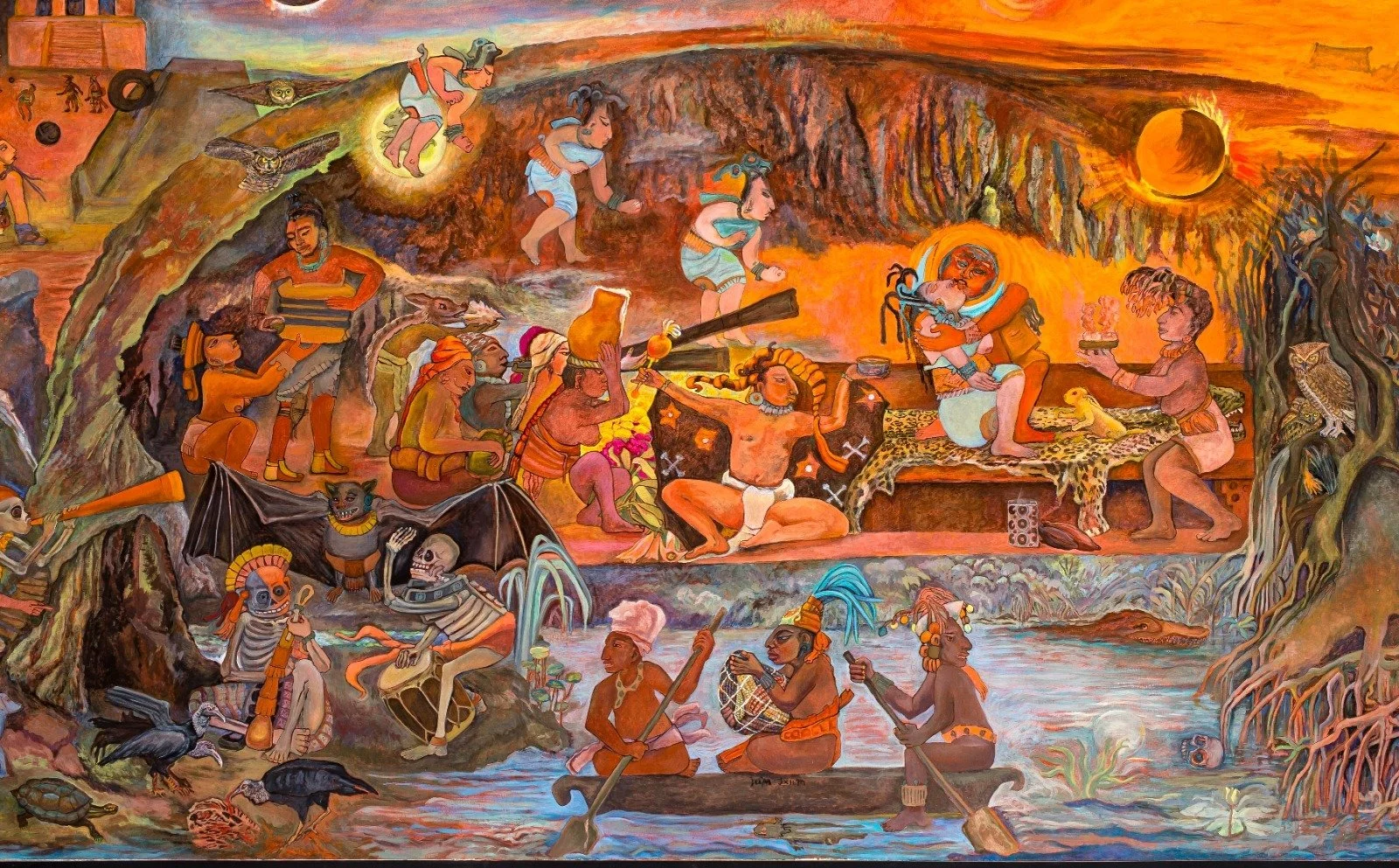
Rina Lazo, Xibalbá, the Mayan Underworld — image from the INBAL website
Places of Ceremony and Offering
The Maya honored cenotes through ceremonies, prayers, and offerings to seek rain, abundant harvests, protection, and guidance from the gods.
Archaeologists have discovered pottery, jade, incense burners, carved objects, and other ceremonial offerings at the bottom of several cenotes across the Yucatán Peninsula. These discoveries provide valuable insight into the spiritual life of the Maya civilization and the deep respect they held for these sacred waters.
Many ceremonies were dedicated to Chaac, the Maya god of rain, whose blessings were essential for successful harvests and the wellbeing of the community.
A Living Connection to Maya Culture
Although centuries have passed since the height of the Maya civilization, cenotes continue to hold cultural significance for many communities throughout southern Mexico.
For many Maya families, these places remain symbols of life, gratitude, and respect for nature. Traditional stories and local knowledge continue to be shared across generations, preserving the connection between people and the land that has existed for thousands of years.
Visiting a cenote today is not only an opportunity to appreciate its natural beauty but also to recognize the history, beliefs, and traditions that continue to shape the region.
Experiencing Cenotes with Respect
At Na'atik, visiting a cenote is much more than a recreational activity. It is an opportunity to better understand the relationship between the Maya people and the natural world.
As students explore southern Quintana Roo, they learn that every cenote has its own story. Surrounded by the sounds of the jungle and the clear waters that have sustained communities for centuries, visitors gain a deeper appreciation for the culture that continues to thrive in this remarkable region.
Whether you come to learn Spanish, study Maya, or participate in one of our cultural immersion experiences, understanding the significance of cenotes offers a meaningful glimpse into the values, history, and traditions that make the Maya world so extraordinary.
The next time you step into a cenote, remember that you are entering a place that has inspired awe, gratitude, and reverence for generations. Beneath the surface lies not only crystal clear water, but centuries of history, culture, and living tradition.
To learn more about Na’atik’s English language program for local and Indigenous students in Felipe Carrillo Puerto, visit our Impact Page. We are only able to provide this much needed program thanks to the support of generous donors and the funds raised from our award winning Maya and Spanish Immersion Program. If you would like to support our mission please consider donating today or take a look at our immersion programsand online class packages.