
The Mexican National Anthem is one of the symbols that, together with the national flag and coat of arms, represents Mexico as a country to the world. The history of the anthem is closely connected to a period of important political and social changes, when Mexico was still developing its identity as a nation after gaining independence from Spain.
After Mexico’s independence, the country experienced different conflicts, changes in government, and both internal and international struggles. Because of all these circumstances, the government sought to create a symbol that could help strengthen national identity and bring people together as a country.
In 1853, during the term of President Antonio López de Santa Anna, a competition was announced to create a national anthem. The intention was to find a composition that represented the spirit of the Mexican people and inspired feelings of patriotism and pride in the country.
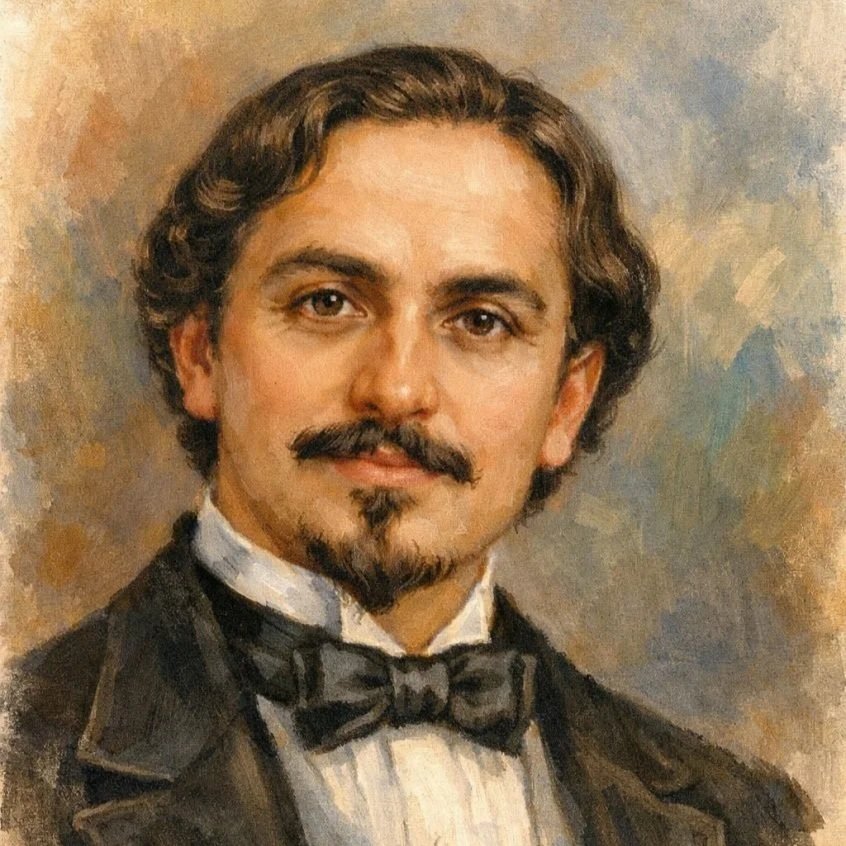
Francisco González Bocanegra | Source: Complejo Cultural Universitario
The competition was divided into two parts. First, a competition was held to select the lyrics, and the winner was Francisco González Bocanegra, a poet from the state of San Luis Potosí. According to the most well-known version of the story, González Bocanegra did not want to participate in the competition. His partner, Guadalupe González del Pino, tried to convince him, but without success. The story says that she eventually locked him in a room and would not let him leave until he wrote a composition for the competition. After several hours, Bocanegra wrote the verses that he would submit, which would eventually become the lyrics of the Mexican National Anthem.
Once the lyrics written by Bocanegra had been selected, the second part of the competition began: choosing the music. The winner was the Spanish musician Jaime Nunó Roca, who composed the music that would accompany Bocanegra’s lyrics.
The First Performance
The Mexican National Anthem was performed publicly for the first time at the Santa Anna Theatre in Mexico City on the night of September 15th, 1854, during Mexico's Independence Day celebrations.
That night, the orchestra was conducted by Giovanni Bottesini, and the anthem was performed by soprano Claudina Fiorentini and tenor Lorenzo Salvi. The next day, the National Anthem was performed again at the same venue. This time, it was performed by the soprano Steffenone, in the presence of the then-president, Antonio López de Santa Anna.
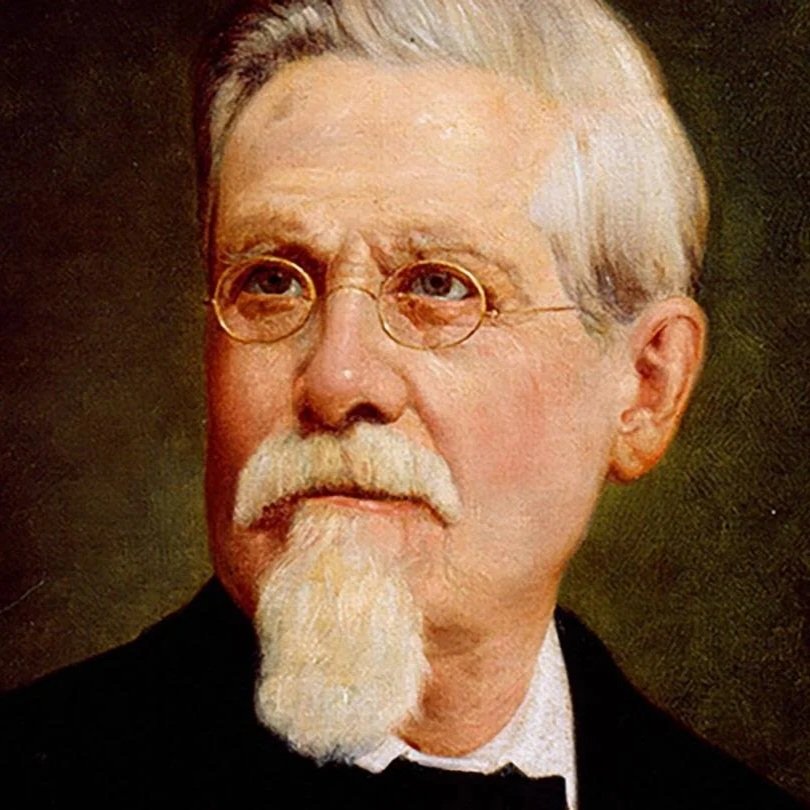
Jaime Nunó | Source: Revista Liber
From Its Origins to the Present Day
The anthem we sing today is not exactly the same version that Francisco González Bocanegra originally wrote. The original composition consisted of a chorus and ten stanzas, and some of its verses made direct references to historical and political figures of the time. As Mexico’s political circumstances changed, some of these verses were no longer included in the official version.
Today, the Mexican National Anthem is officially performed with its chorus and four stanzas: the first, fifth, sixth, and tenth stanzas of the original composition. The lyrics that are still performed preserve the anthem’s central themes of patriotism, courage, and the defense of Mexico’s independence and sovereignty.
The National Anthem not only allows Mexicans to identify with their country, but also serves as a window into an important part of Mexico’s history. Its words reflect the concerns and conflicts that Mexico faced during the 19th century, particularly the need to defend its independence and sovereignty. Although today we hear the anthem in contexts very different from those in which it was created, such as official ceremonies, schools, sporting events, and national celebrations, it remains a symbol that brings Mexicans together and represents the country to the world.

Image from Diario de Tabasco
To learn more about Na’atik’s English language program for local and Indigenous students in Felipe Carrillo Puerto, visit our Impact Page. We are only able to provide this much needed program thanks to the support of generous donors and the funds raised from our award winning Maya and Spanish Immersion Program. If you would like to support our mission please consider donating today or take a look at our immersion programs and online class packages.