
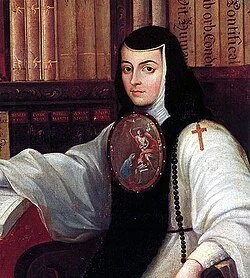
What would you do if your love of learning was considered unusual simply because you were a woman? In 17th-century New Spain, this was the reality for Sor Juana Inés de la Cruz, one of the most brilliant minds in Mexican history. A poet, playwright, philosopher, and self-taught scholar, she challenged the expectations of her time and became a powerful voice for women's right to education.
A Curious Mind from the Very Beginning
Born in 1648 in San Miguel Nepantla, in what is now the State of Mexico, Juana showed an extraordinary curiosity from an early age. Legend has it that she learned to read at just three years old and later begged to be allowed to attend university, even offering to disguise herself as a boy to pursue an education.
At a time when formal education was largely inaccessible to women, she taught herself Latin, studied philosophy, literature, theology, mathematics, and science, and developed a passion for knowledge that would shape her entire life.
Why Did She Become a Nun?
Rather than marry, Sor Juana chose to enter a convent. But this decision was not simply about religion. Convent life offered her something that was exceptionally difficult for women to obtain at the time: a degree of independence, access to books, and the opportunity to dedicate herself to intellectual pursuits.
Her room became a place of study, filled with books, scientific instruments, and ideas. She wrote poetry, plays, essays, and philosophical works, earning admiration among the intellectual and literary circles of New Spain.
A Woman Who Dared to Speak
Sor Juana is perhaps best remembered for defending women's intellectual abilities. In her famous essay Respuesta a Sor Filotea de la Cruz (Reply to Sor Filotea), she explained her passion for learning and argued, with remarkable courage and eloquence, for women's right to study.
She questioned the social and religious expectations that discouraged women from pursuing knowledge and made a case for women's education long before it became a widely recognized movement.
One of her most famous poems, Hombres necios que acusáis (Foolish Men Who Accuse), criticizes the hypocrisy of men who blame women for behaviors they themselves encourage. Centuries later, its message about double standards still resonates.
Her Legacy Lives On
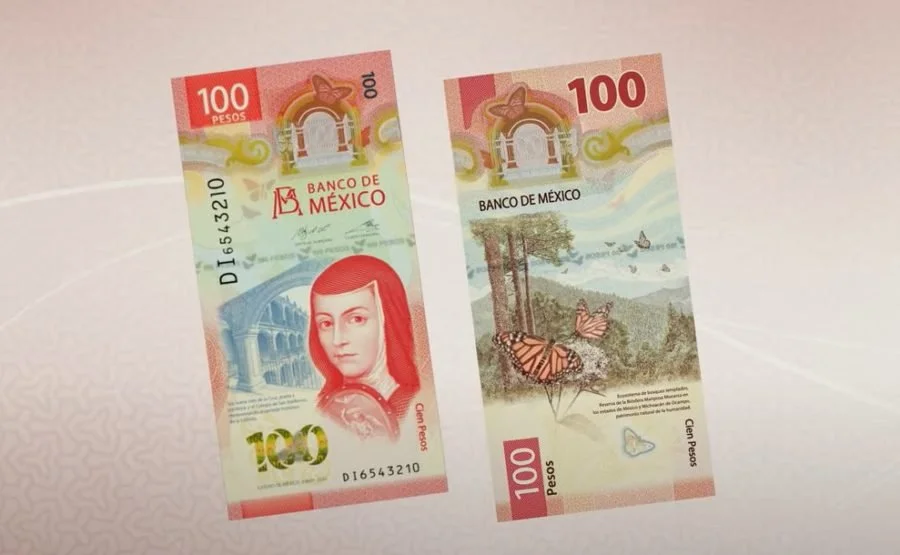
Sor Juana Inés de la Cruz died in 1695, but her influence never faded. Today, she is celebrated as one of the most important writers of the Spanish language, a symbol of intellectual freedom, and an inspiration to generations of women who have fought for the right to learn, question, and express themselves.
Her story reminds us that curiosity has no gender, that knowledge can be an act of courage, and that sometimes the most revolutionary thing a person can do is refuse to stop asking questions.
Sor Juana didn't just write about ideas. She fought for the right to have them.
To learn more about Na’atik’s English language program for local and Indigenous students in Felipe Carrillo Puerto, visit our Impact Page. We are only able to provide this much needed program thanks to the support of generous donors and the funds raised from our award winning Maya and Spanish Immersion Program. If you would like to support our mission please consider donating today or take a look at our immersion programs and online class packages.