
Easter vs Semana Santa
Commemorating the death and resurrection of Jesus is one of the most important moments for Christian believers around the world. However, like many other celebrations, it is observed differently depending on the country. One clear example is the way Semana Santa (Holy Week) is celebrated in Mexico compared to Easter in the United States. Although they share the same origin, cultural contexts lead to notable differences.
In Mexico, the passion, crucifixion, death, and resurrection of Jesus Christ are commemorated during Semana Santa (Holy Week), which begins on Domingo de Ramos (Palm Sunday) and ends on Domingo de Resurrección (Easter Sunday). During this important week, a wide variety of activities take place across the country. While some traditions vary by region, others are widely shared.
For instance, on Domingo de Ramos (Palm Sunday), people bring palm branches to church to be blessed by the priest. On Jueves Santo (Holy Thursday), there is a reenactment of the washing of the feet of twelve parishioners, and many people also visit seven different churches. On Viernes Santo (Good Friday), in places such as Iztapalapa in Mexico City, a large-scale reenactment of the Passion of Christ is performed.
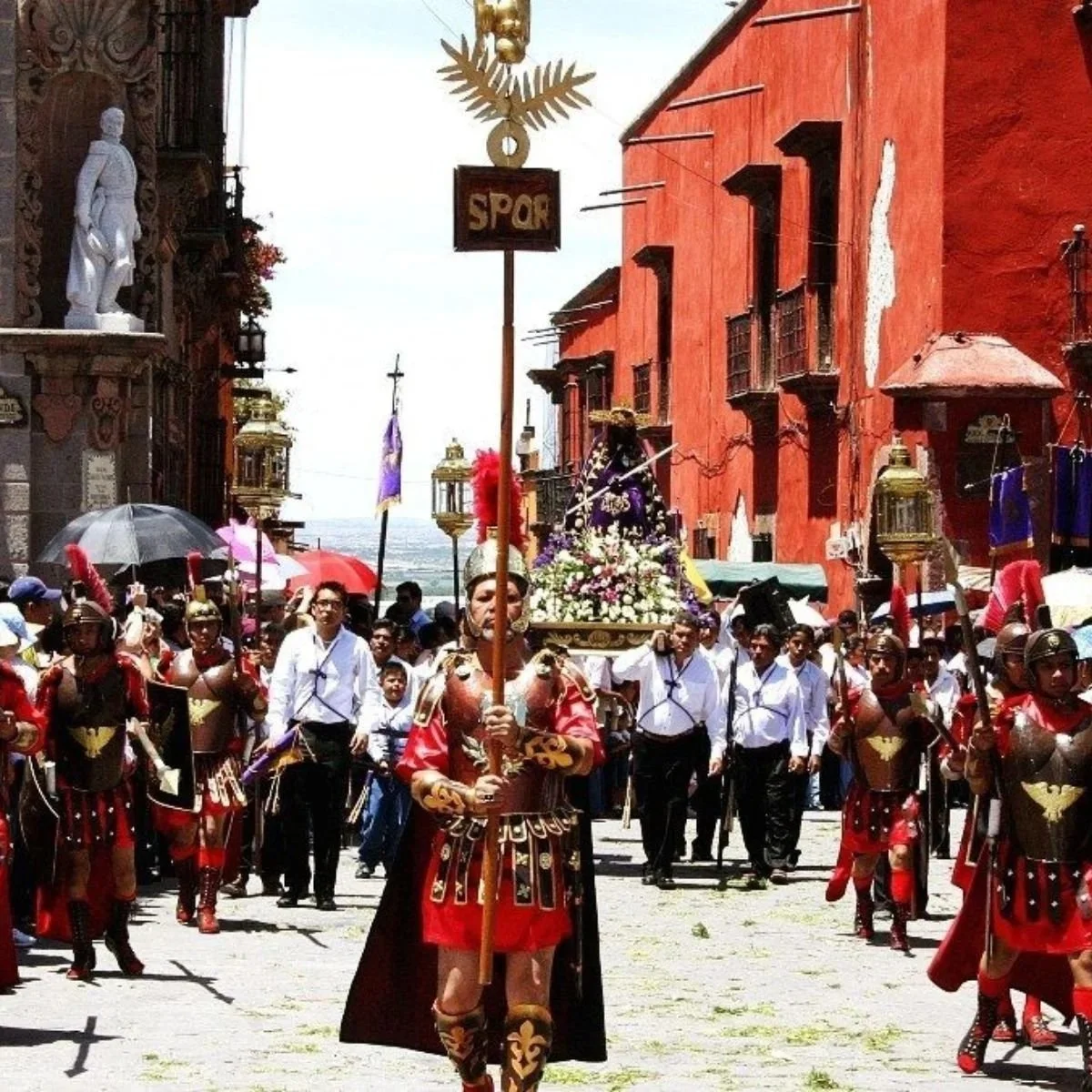
Image from México Desconocido
In the past, it was common for people to throw buckets of water on each other during Sábado de Gloria (Holy Saturday). However, in an effort to conserve water, this tradition has gradually been replaced by other activities, such as the “Burning of Judas,” in which cardboard figures representing Judas Iscariot are set on fire.
Finally, on Domingo de Resurrección (Easter Sunday), churches hold the lighting of the Paschal candle. In some places, the burning of Judas continues, and there are even traditions (especially among children) such as throwing confetti-filled eggshells at one another.
Nevertheless, this celebration is not only religious. Many families also take advantage of the holiday to travel to places such as beaches or pueblos mágicos. As a result, Semana Santa (Holy Week) also represents a time for family bonding and togetherness.
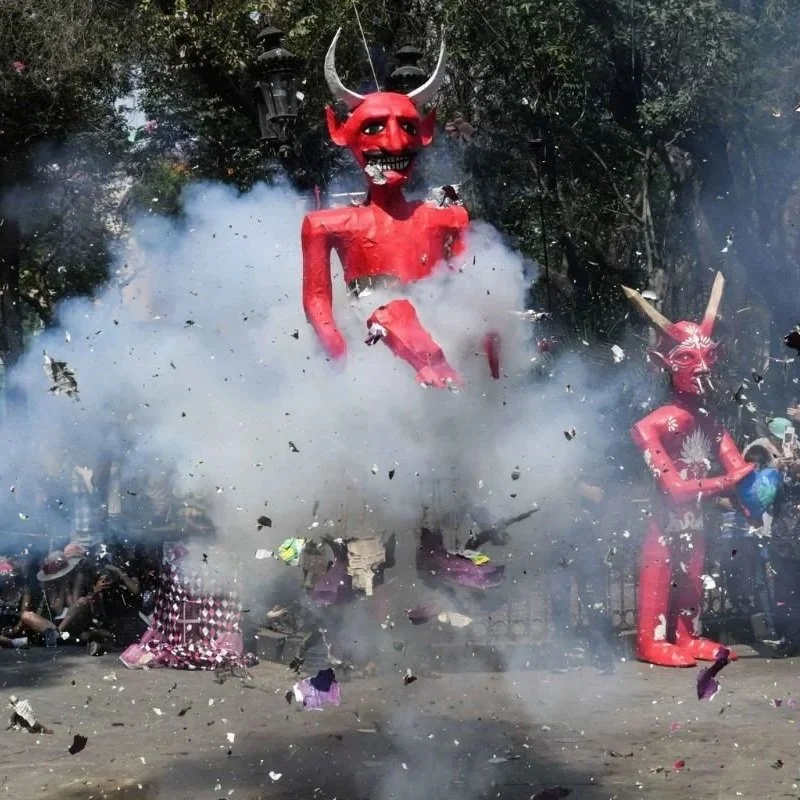
Image from CDMX Secreta
On the other hand, Easter in the United States has a different focus. For many people, the main celebration takes place on Easter Sunday, when families typically attend religious services and then gather together afterward.
In addition, several traditions are specifically geared toward children. For example, the Easter Bunny, a character associated with the arrival of spring, is believed to hide decorated eggs in backyards or parks for children to find.
Other common activities include exchanging baskets filled with chocolate and candy, creating a cheerful, colorful, and family-oriented atmosphere. There are also parades held in various cities across the United States, where people gather to enjoy a festive and lively environment.
Even though the activities carried out during these dates differ in both countries, we can see that spending time with family and creating a sense of togetherness is something they share, helping to create irreplaceable memories for families.
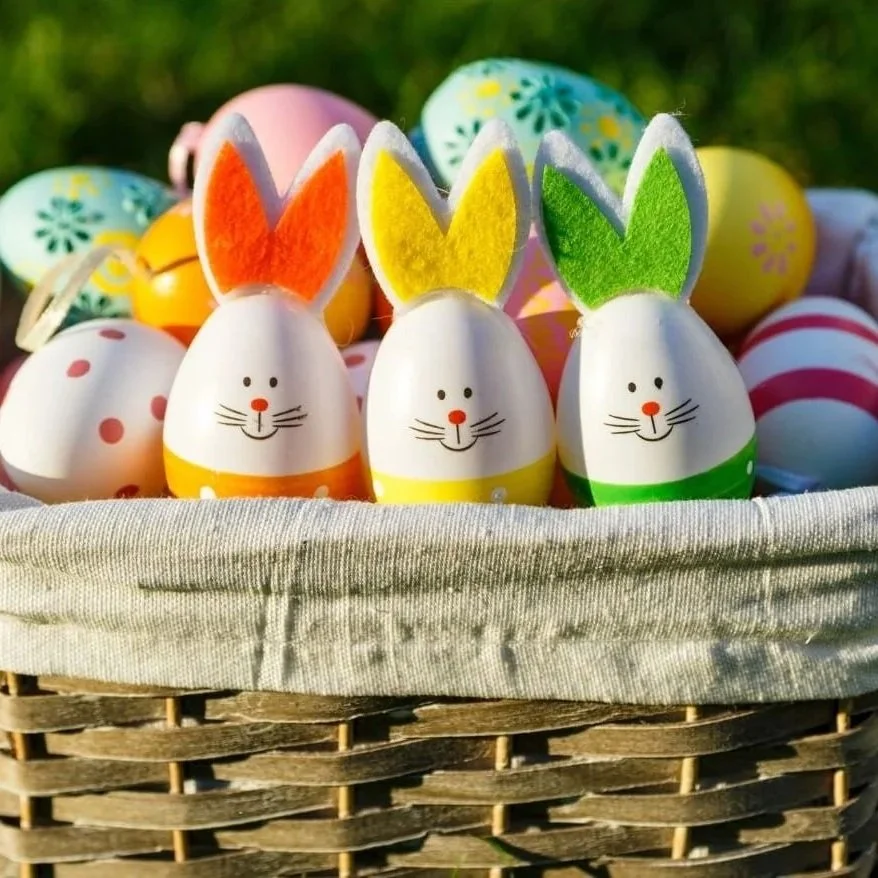
Image from Healthy Family Project
To learn more about Na’atik’s English language program for local and Indigenous students in Felipe Carrillo Puerto, visit our Impact Page. We are only able to provide this much-needed program thanks to the support of our generous donors and the funds raised from our award winning Maya and Spanish Immersion Program. If you would like to support our mission please consider donating today or take a look at our immersion programs and online class packages.