
Equal Opportunities, Brighter Futures
Having a safe place to call home, access to education, and enough food on the table are things many of us may take for granted. Yet, for millions of people around the world, these everyday necessities are not always guaranteed. Poverty affects far more than a person's financial situation; it can shape their access to education, healthcare, housing, and the opportunities they have to build a better future.
Every year, on October 17, the International Day for the Eradication of Poverty reminds us of the importance of addressing these challenges and working toward a world where everyone can live with dignity. Established by the United Nations, this day encourages us to look beyond statistics and recognize the people, families, and communities behind them.
One of the most important parts of this conversation is the connection between poverty and having a safe, stable home. A home is more than just a roof over someone's head. It is a place to rest, learn, grow, and feel secure. For children, in particular, having a stable living environment can make a meaningful difference in their education and overall well-being. Without it, everyday activities, from completing homework to getting enough sleep, can become much more difficult. This is why access to safe, adequate, and affordable housing is an essential part of the broader effort to eradicate poverty.
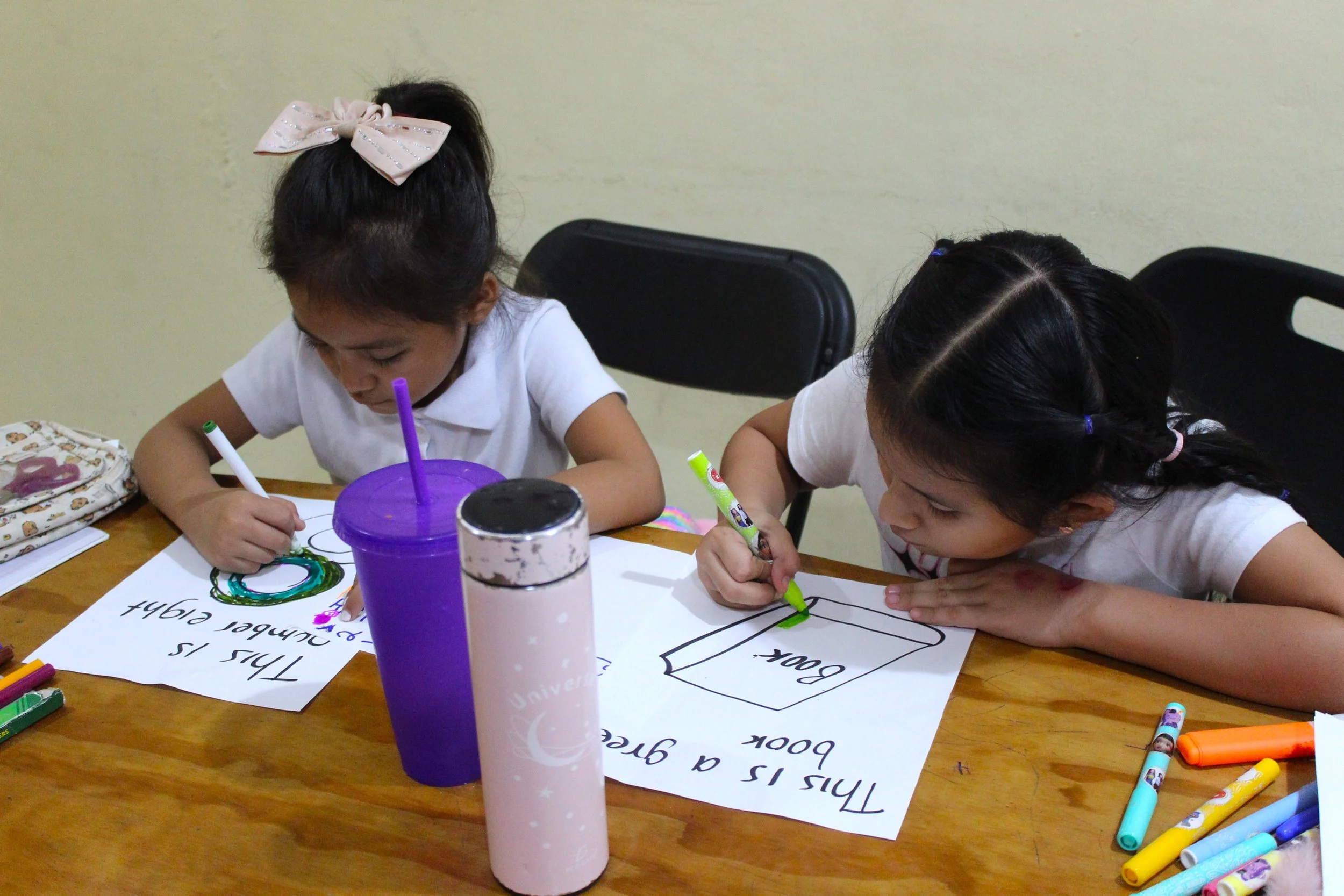
Education is closely connected to this challenge, too. Schools can open doors to new opportunities, but not every student has the same resources or circumstances outside the classroom. While some have access to school supplies, technology, and a quiet place to study, others may face obstacles that make learning more challenging. Recognizing these differences helps us understand why addressing poverty requires more than individual effort. It also calls for accessible education, community support, and solutions that respond to people's real needs.
So, what can we do as a school community? Although ending poverty requires long-term action from governments and institutions, we can all contribute to creating a more inclusive environment. We can challenge stereotypes, approach others with empathy, support initiatives that make educational resources more accessible, and make sure that everyone feels respected and included. Just as importantly, we can listen to people experiencing poverty rather than making assumptions about their lives.
The International Day for the Eradication of Poverty is an opportunity to reflect on the kind of world we want to build and the role each of us can play in shaping it. It reminds us that everyone deserves access to basic needs, the chance to learn, and a safe place to call home. Because a better future is not simply one in which fewer people experience poverty, but one in which everyone has the opportunity to feel secure, reach their potential, and thrive.
To learn more about Na’atik’s English language program for local and Indigenous students in Felipe Carrillo Puerto, visit our Impact Page. We are only able to provide this much needed program thanks to the support of generous donors and the funds raised from our award winning Maya and Spanish Immersion Program. If you would like to support our mission please consider donating today or take a look at our immersion programs and online class packages.