
A Taste of Mayan Culture: Food, Family, and Tradition
Every year, on October 16th, people around the world commemorate World Food Day, an international initiative established by the Food and Agriculture Organization (FAO) in 1979 to raise awareness about global hunger and the importance of ensuring access to safe, nutritious, and sufficient food for everyone. In addition, this day also encourages individuals, communities, and governments to take action against hunger, reduce food waste, promote healthy eating habits, and support sustainable food production.
Beyond being a basic necessity, food is closely connected to our traditions, our communities, and the way we share our culture with others. In Mexico, these connections can be seen in the variety of traditional dishes and the everyday practices that continue to bring families and communities together. The ingredients we choose, the meals we prepare, and the traditions we preserve all play an important role in the way we continue to pass down our customs and traditions from generation to generation, while also reflecting some of the history behind our country.
Although it is now very common for many people to consume processed foods, in many parts of Mexico, families still prepare meals at home every day using fresh vegetables, seasonal fruits, and fresh meat, depending on each family’s diet. For example, here in Felipe Carrillo Puerto, a municipality in the state of Quintana Roo, you can find fresh ingredients at the local market or at a vegetable shop, fruit shop, or small local produce store to prepare your meals.
In the communities of this area, traditional cooking includes ingredients such as corn, beans, squash, chili peppers, and various local fruits. These foods are part of a cultural heritage that has been preserved for many generations. Corn, for example, is essential to the Mexican diet, as it is used to make tortillas and other dishes that are part of everyday meals.
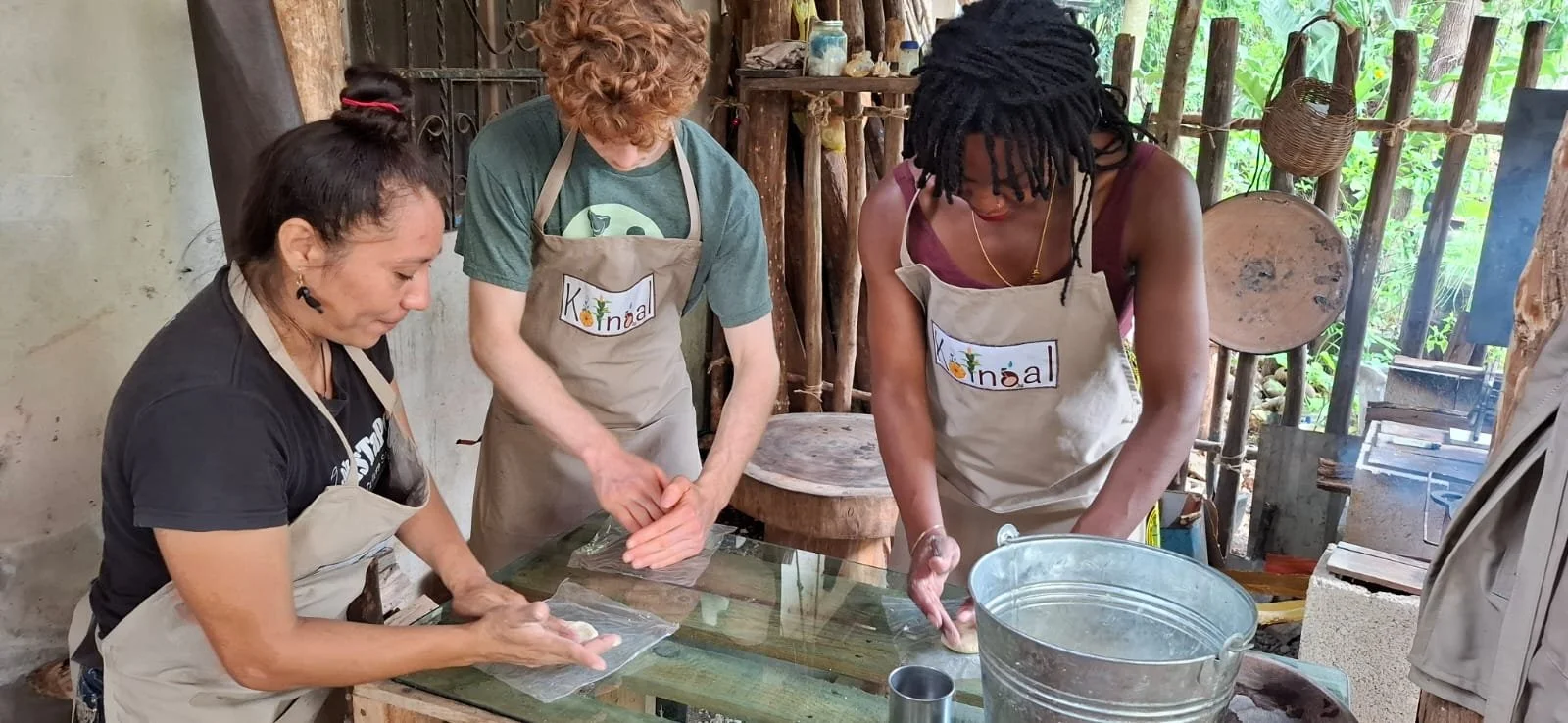
In addition, in the Mayan region, traditional practices for growing and making use of local plants and foods have been preserved. Some families grow part of the food they consume or rely on seasonal products. These practices promote a varied, nutrient rich diet while also helping preserve traditional knowledge about cooking and the use of natural resources.
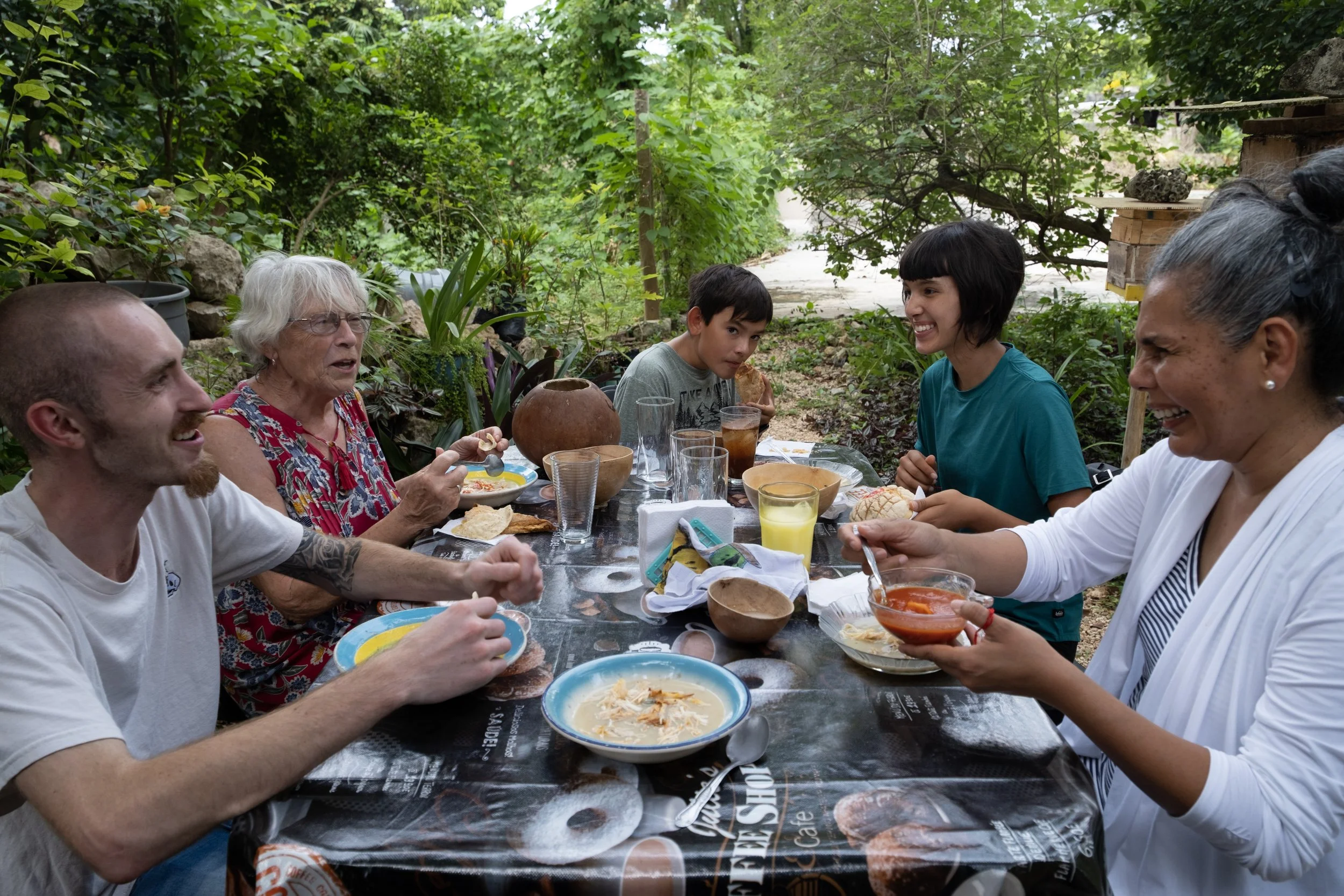
Preparing traditional foods not only allows people to enjoy a variety of ingredients, but also helps keep cultural identity alive. Recipes, cooking methods, and knowledge about food are passed down from grandparents to parents and children, making food an important part of family life. Our host families offer students more than just a place to stay. Through every dish they prepare and the conversations that take place around the table, they also share a little of their culture. During these moments together, students can learn more about Carrillo, its traditional dishes, and the daily lives of their host families, while also putting into practice what they learn in class. All of this is especially valuable in an immersion course because, beyond simply trying new dishes, eating home cooked meals allows students to experience the local culture in an authentic and direct way.
A place like Felipe Carrillo Puerto, surrounded by Mayan culture, allows us to reflect on the important role that ingredients such as corn and chili peppers play in traditional cuisine. It also highlights how buying fresh ingredients from local vendors supports local producers, while choosing seasonal products helps maintain a varied diet. These practices also help people become more familiar with the ingredients they use, maintain as balanced a diet as possible, and reduce their consumption of highly processed foods.
To learn more about Na’atik’s English language program for local and Indigenous students in Felipe Carrillo Puerto, visit our Impact Page. We are only able to provide this much needed program thanks to the support of generous donors and the funds raised from our award winning Maya and Spanish Immersion Program. If you would like to support our mission please consider donating today or take a look at our immersion programs and online class packages.