
Recipe of the month: Señora Dianela Cochinita
Traditionally prepared in an underground pit oven known as a pib, cochinita pibil has been part of Yucatecan cuisine for generations. The combination of aromatic spices, citrus flavors, and tender, slow-cooked meat creates a dish that goes beyond food; it tells a story of tradition, cultural richness, and the ancestral cooking techniques that have been preserved over time.
This month, we had the opportunity to be welcomed into señora Dianela’s kitchen, where she showed us an alternative way to prepare this beloved Yucatecan dish when an underground pit oven is not an option. Thanks to her knowledge and experience, we learned a different approach to making cochinita in the pibil style while appreciating the traditions and flavors that make this dish so special.
Whether enjoyed in tacos, tortas, or simply on its own, cochinita pibil is a dish that brings people together around the table. Today, we invite you to experience the flavors behind this iconic regional specialty and learn how to prepare your own version at home.
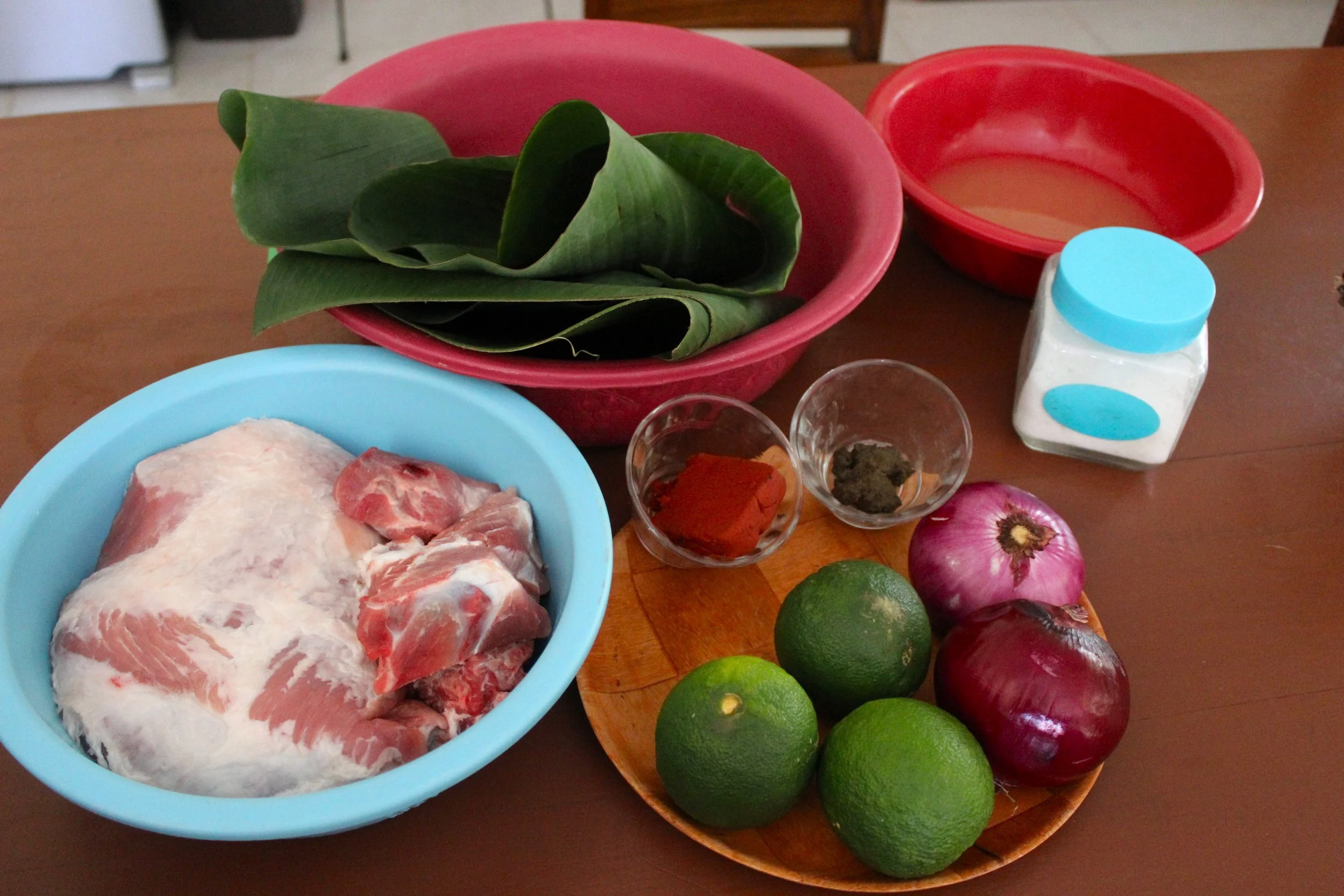
Ingredients
For the Cochinita
White recado (store-bought or homemade)
Red recado (about 150 g / 5 oz)
7 sour oranges (approximately)
1.5 kg (3.3 lb) pork
Salt
Banana leaves (optional)
Red onion (optional, for serving)
For the White Recado (if making it from scratch)
2 pinches black pepper
5–6 oregano leaves
2 medium garlic cloves
4 allspice berries (known locally as pimienta gorda or Tabasco pepper)
¼ white onion, roasted
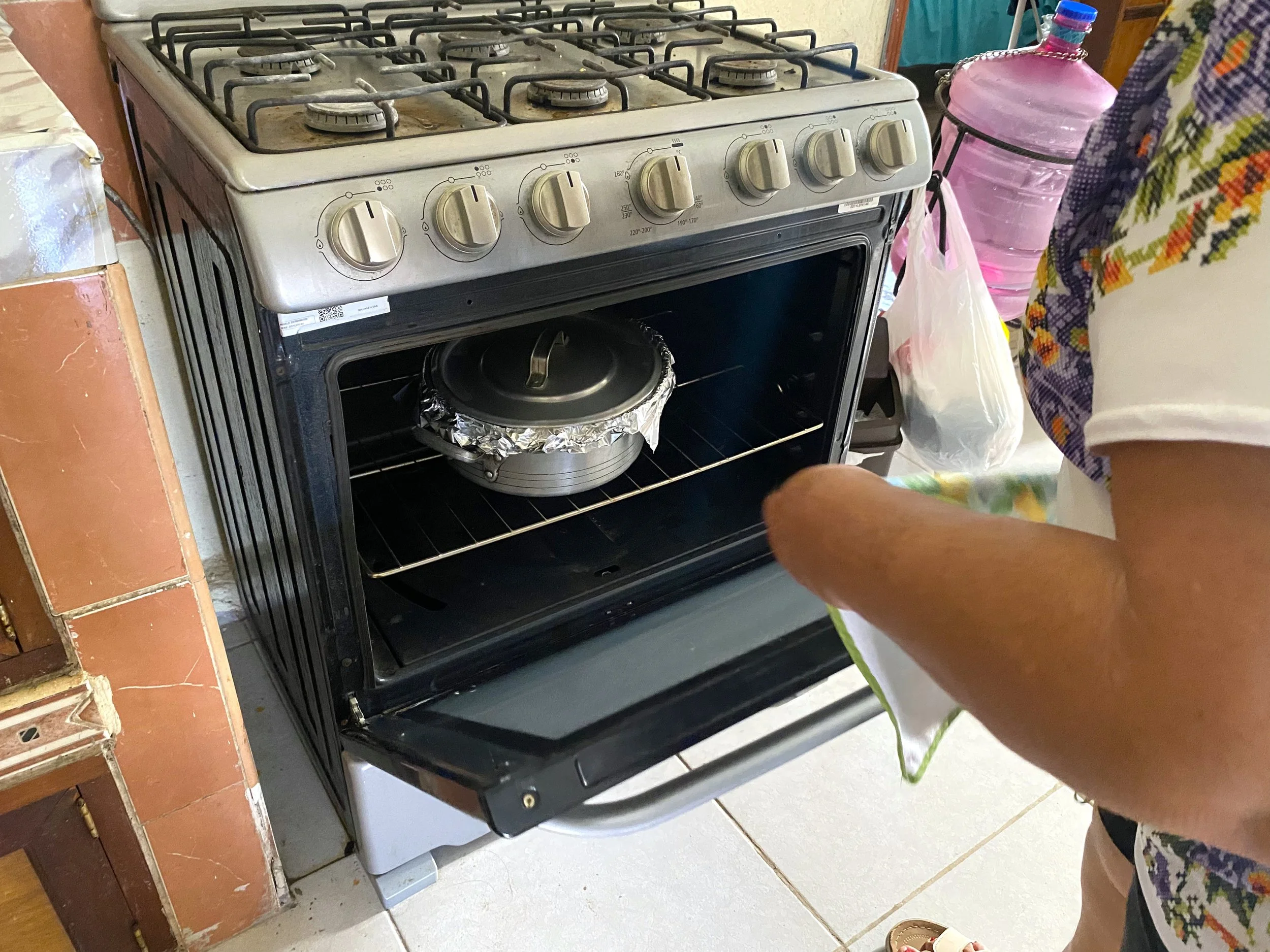
Before you start preparing the dish, preheat the oven to 150–200°C (300–400°F).
Preparation
White Recado (Homemade)
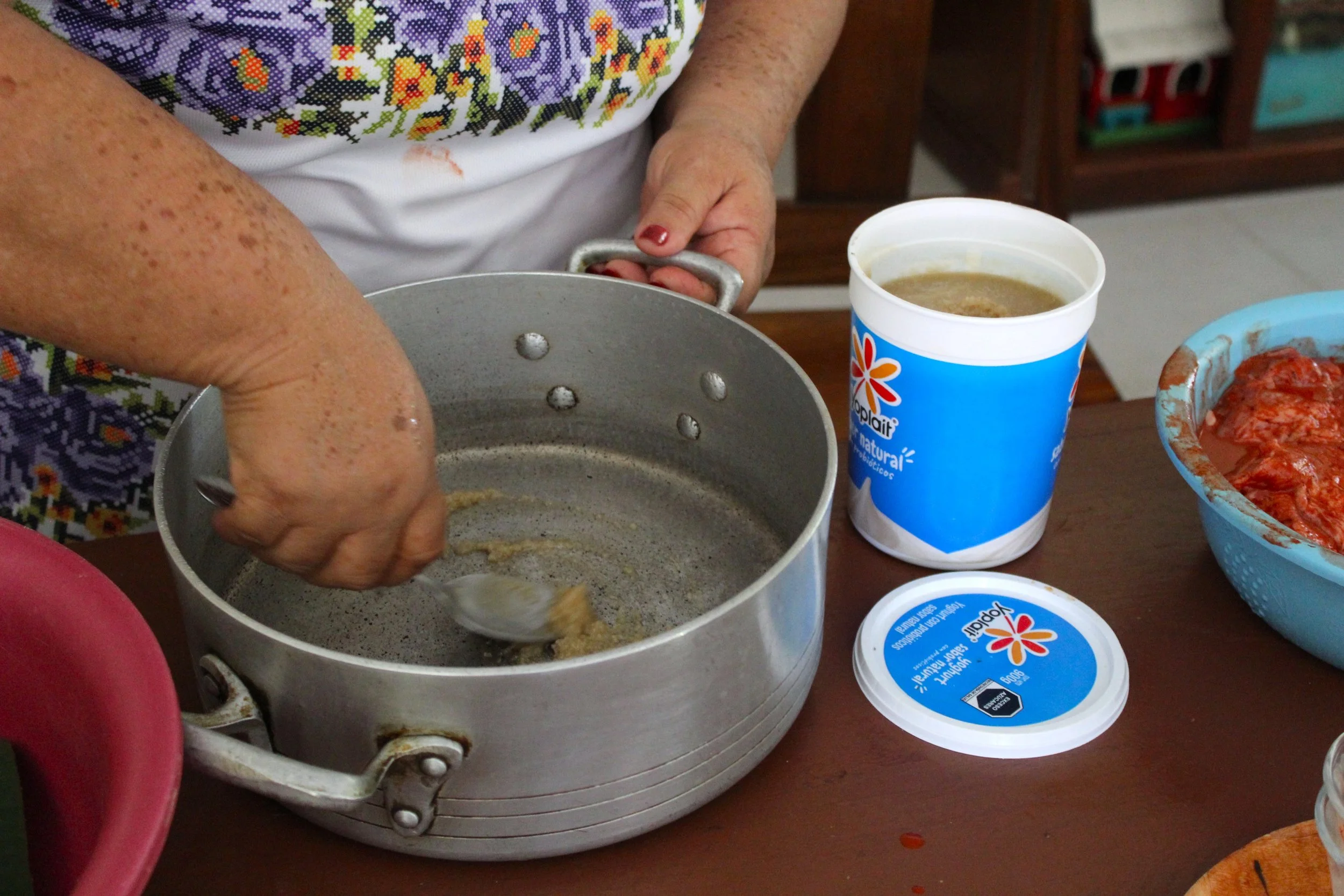
If you're making your own white recado, lightly roast the onion and oregano in a skillet. Then add the black pepper and allspice berries.
Once everything is lightly toasted, grind the ingredients by hand using a mortar and pestle (or blend them in a blender) until they form a paste. If needed, add a small amount of water to reach the desired consistency.
Cochinita
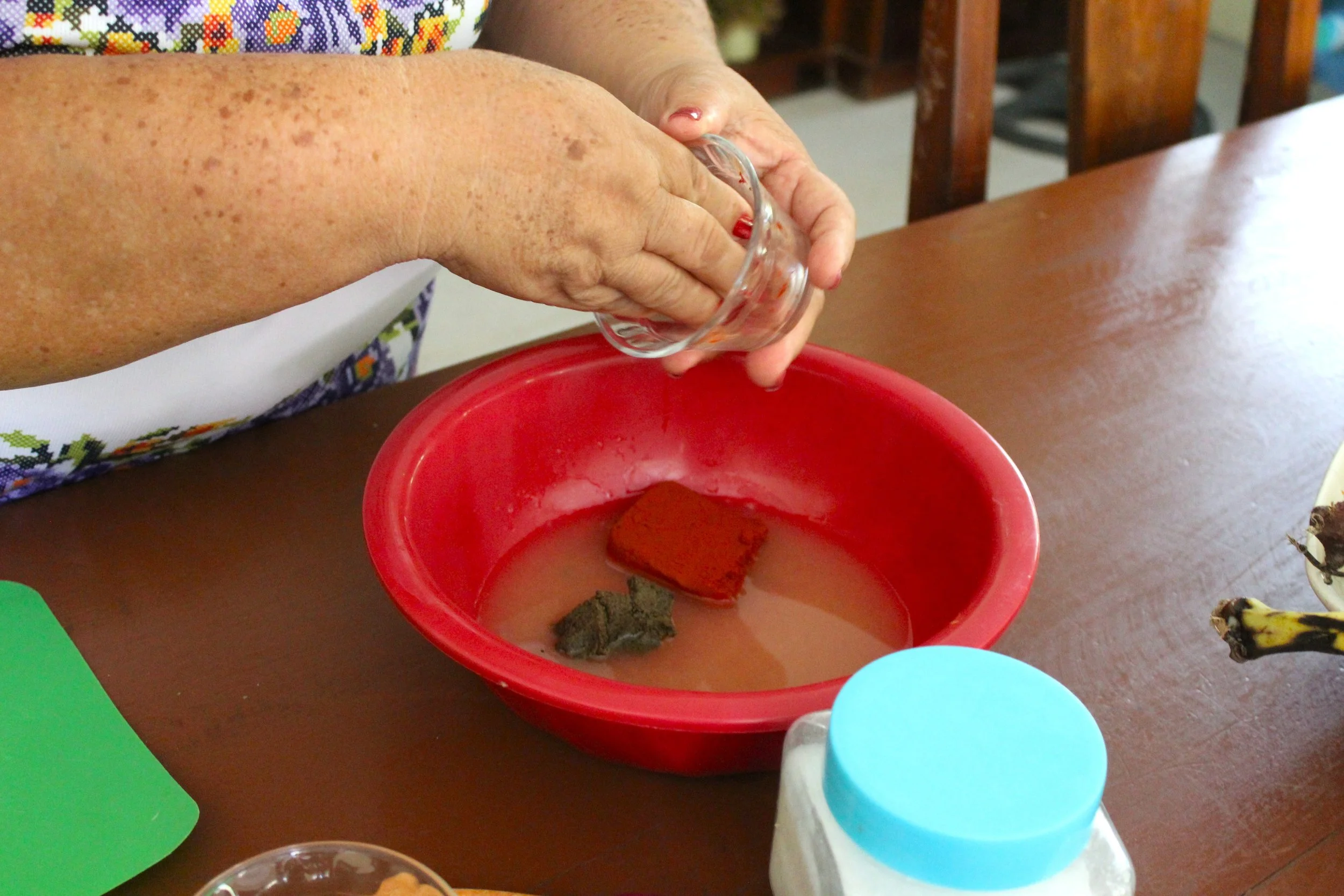
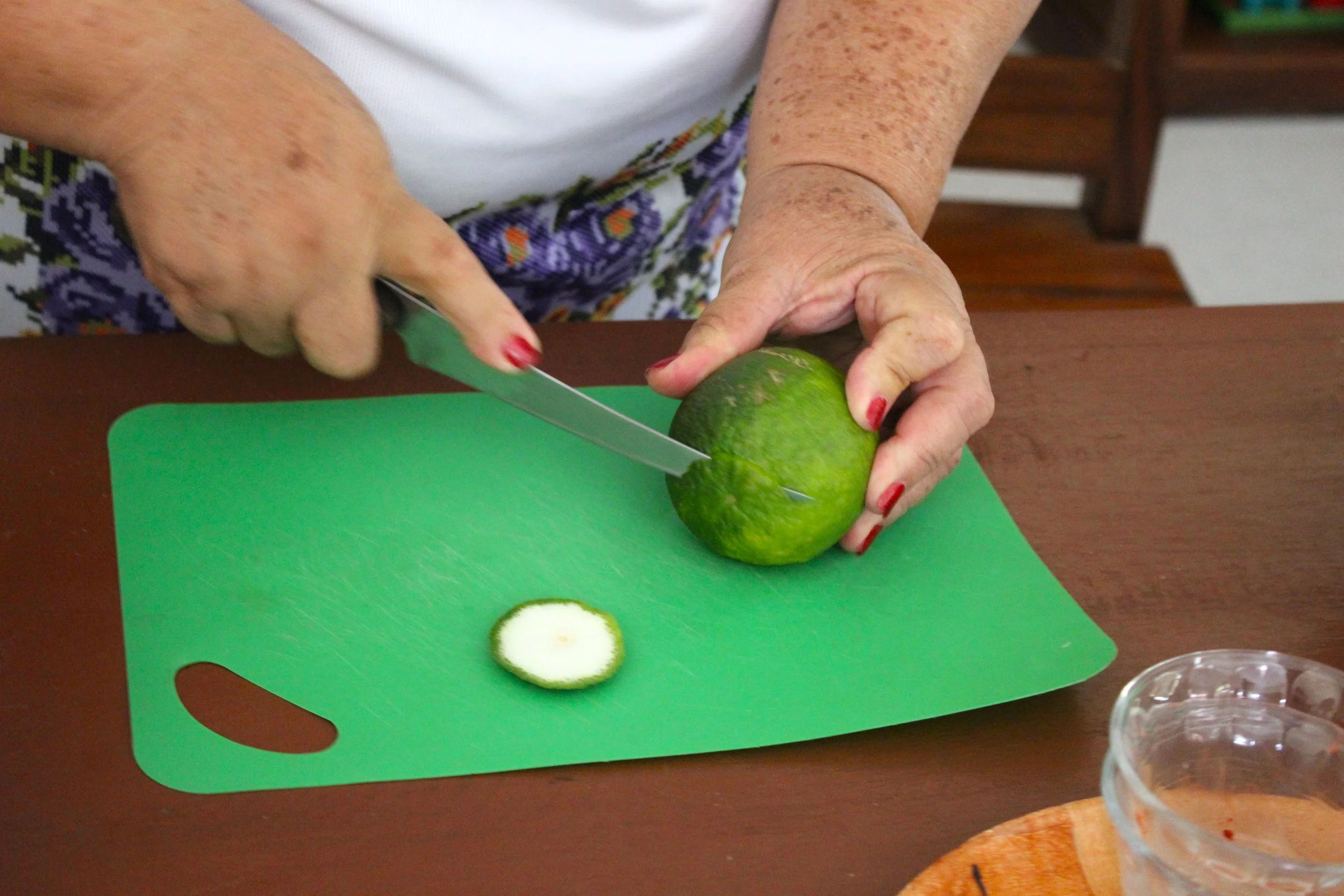
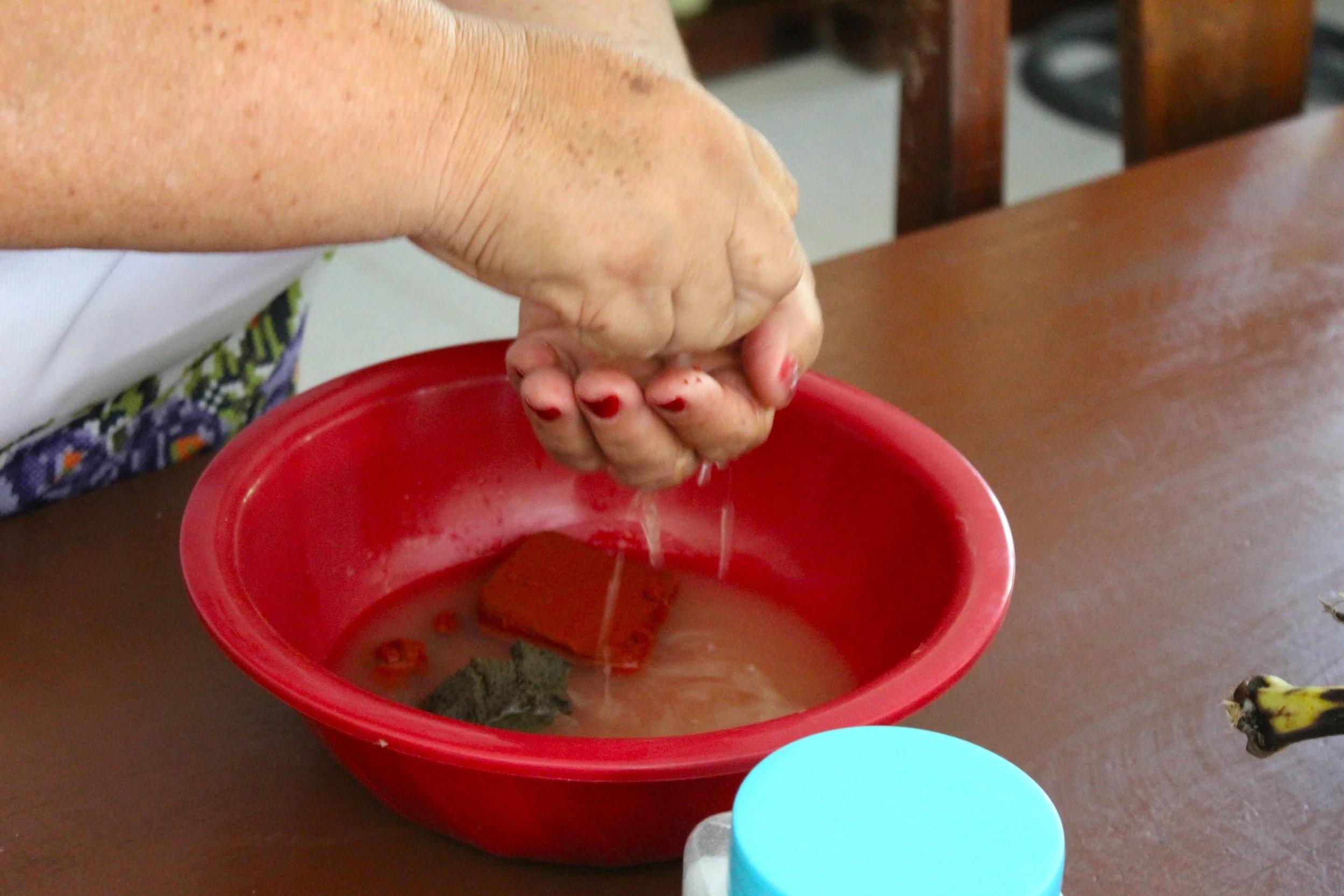
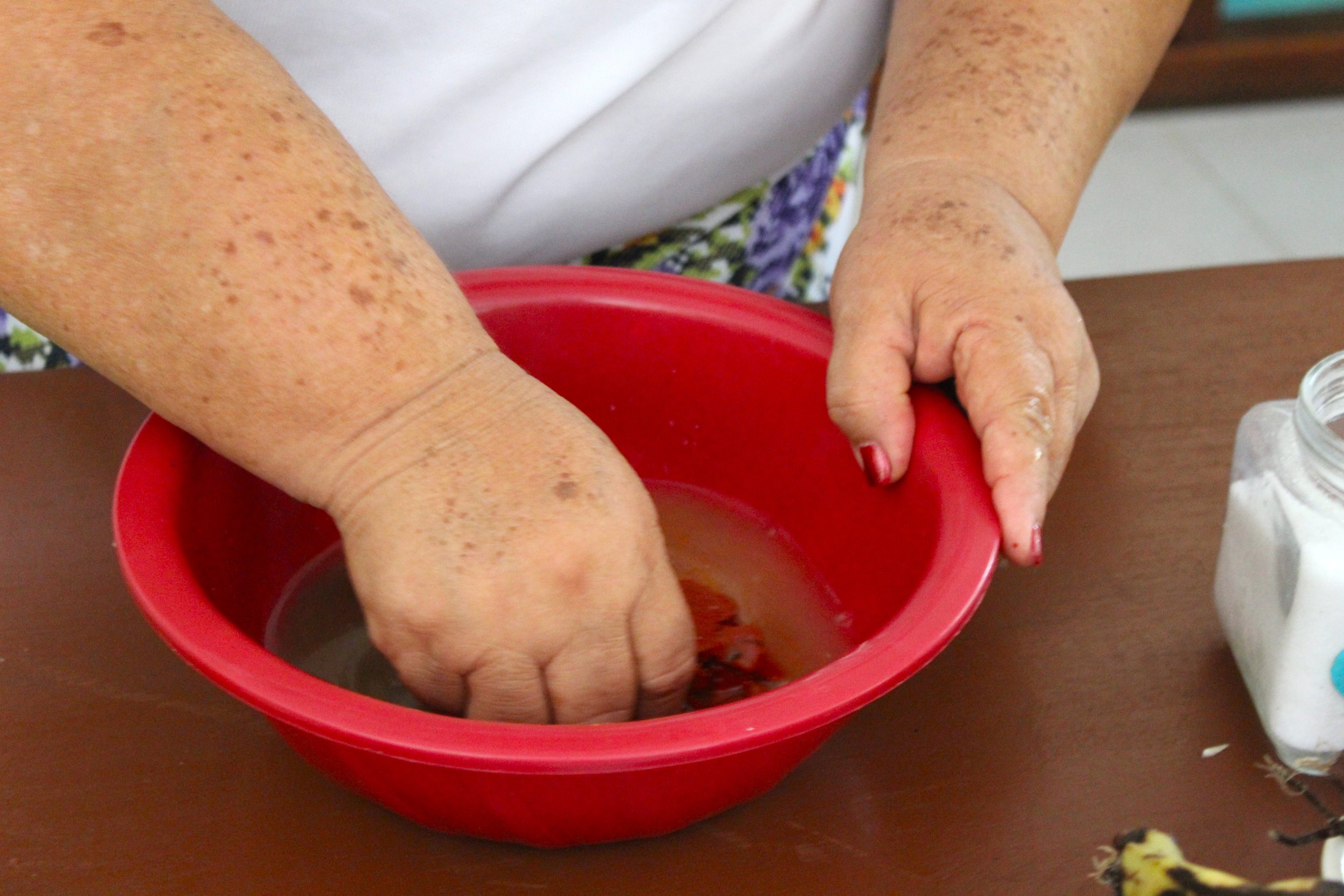
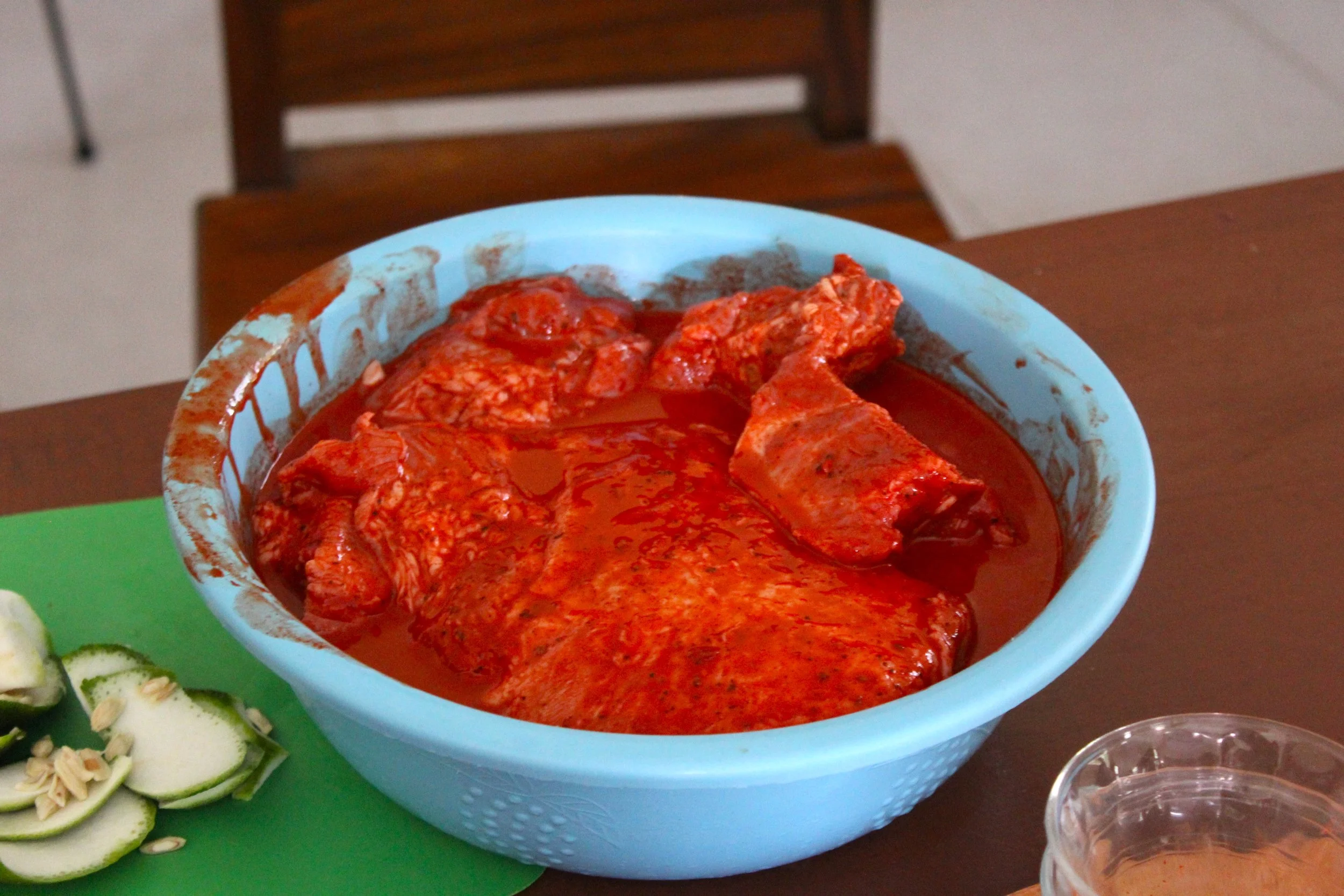
Squeeze the juice from 6 sour oranges into a large bowl. Add the white recado and the red recado, then mix well until both pastes are completely dissolved.
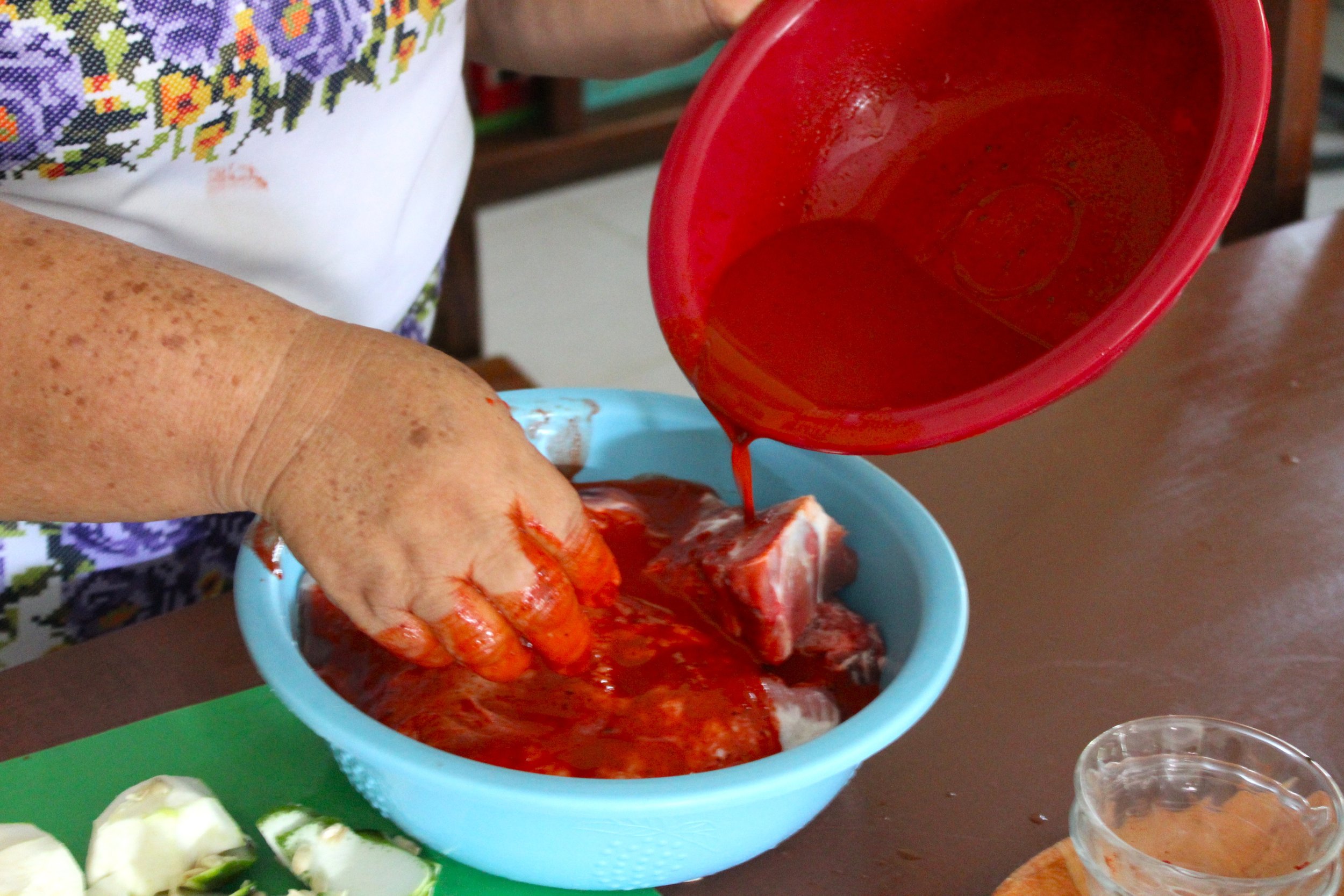
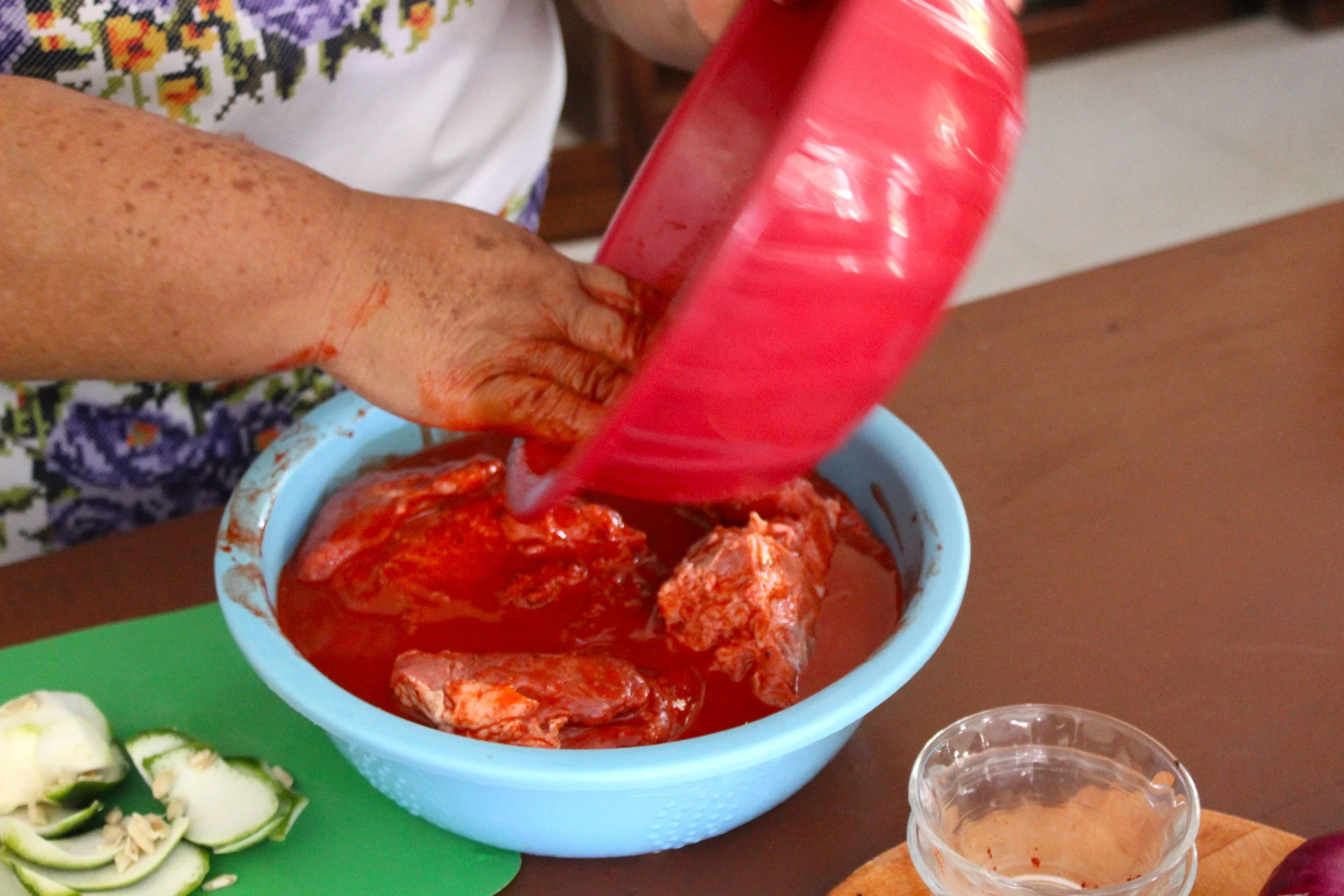
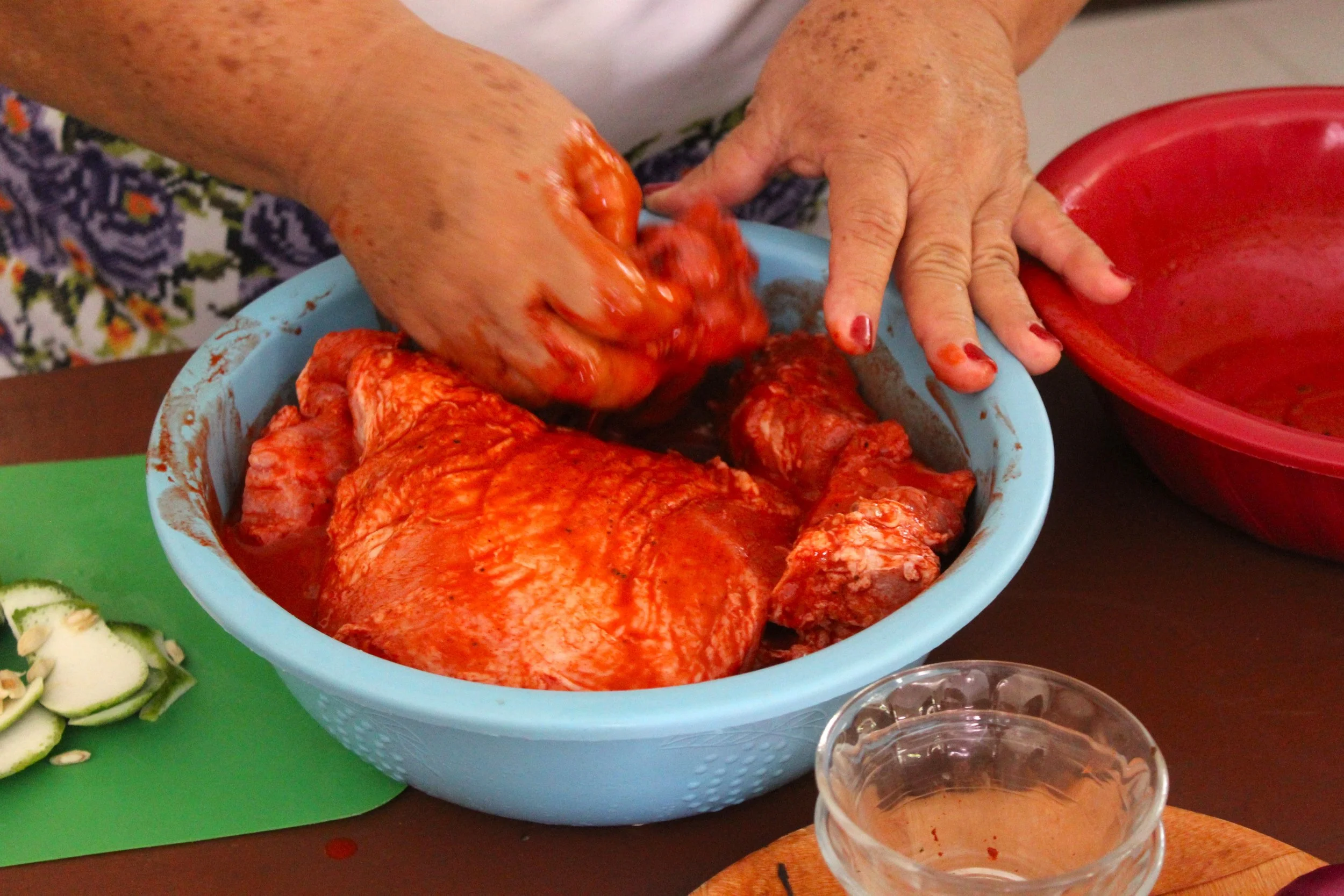
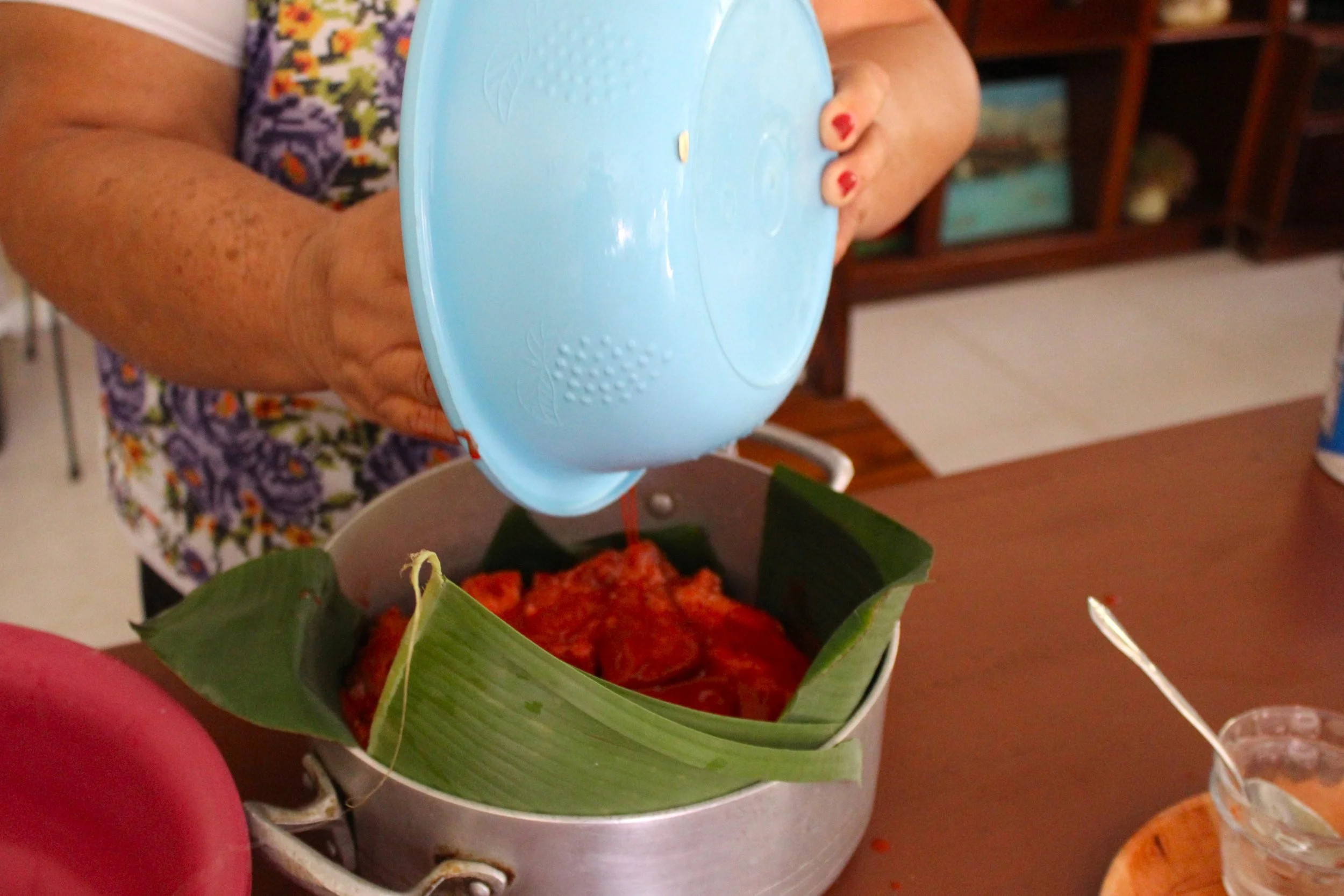
Place the pork in another large bowl. Gradually pour the marinade over the meat, using your hands to rub it evenly over every piece so it is completely coated. Once all the meat has been covered, pour any remaining marinade into the bowl.
Rinse the bowl that held the marinade with a small splash of water and pour that into the pork as well. The goal is simply to rinse out any remaining marinade, not to add extra liquid.
Let the pork marinate for about 30 minutes.
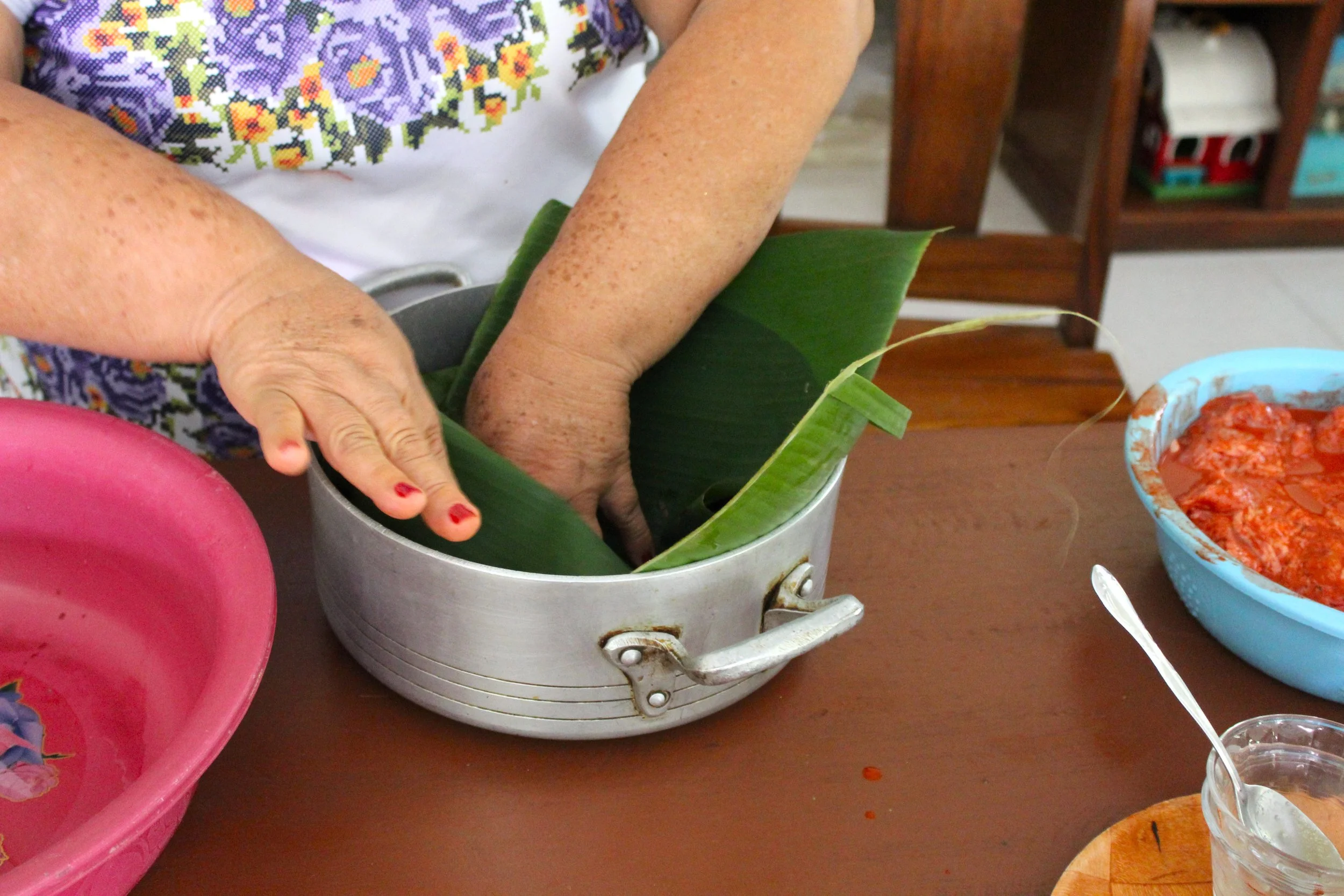
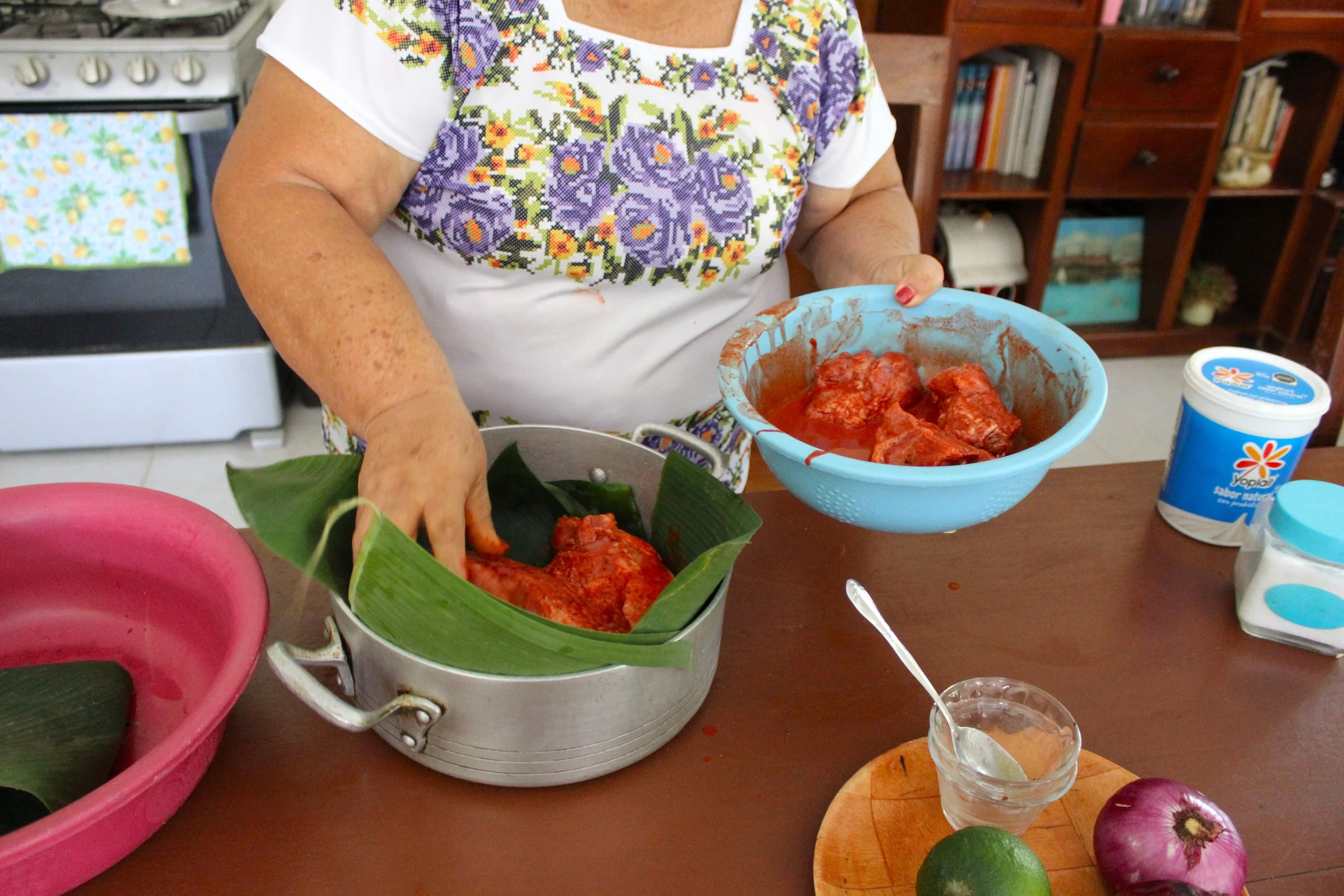
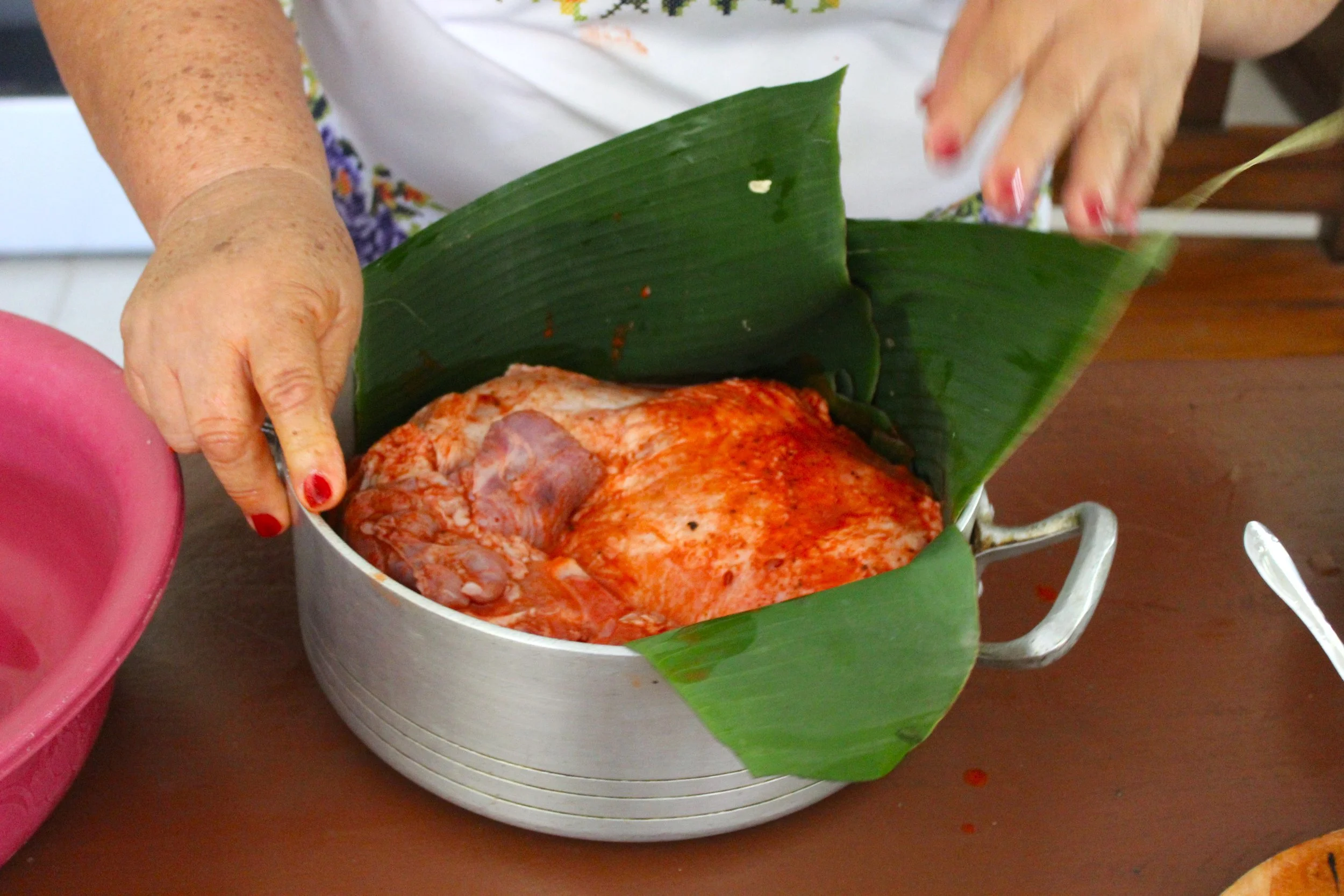
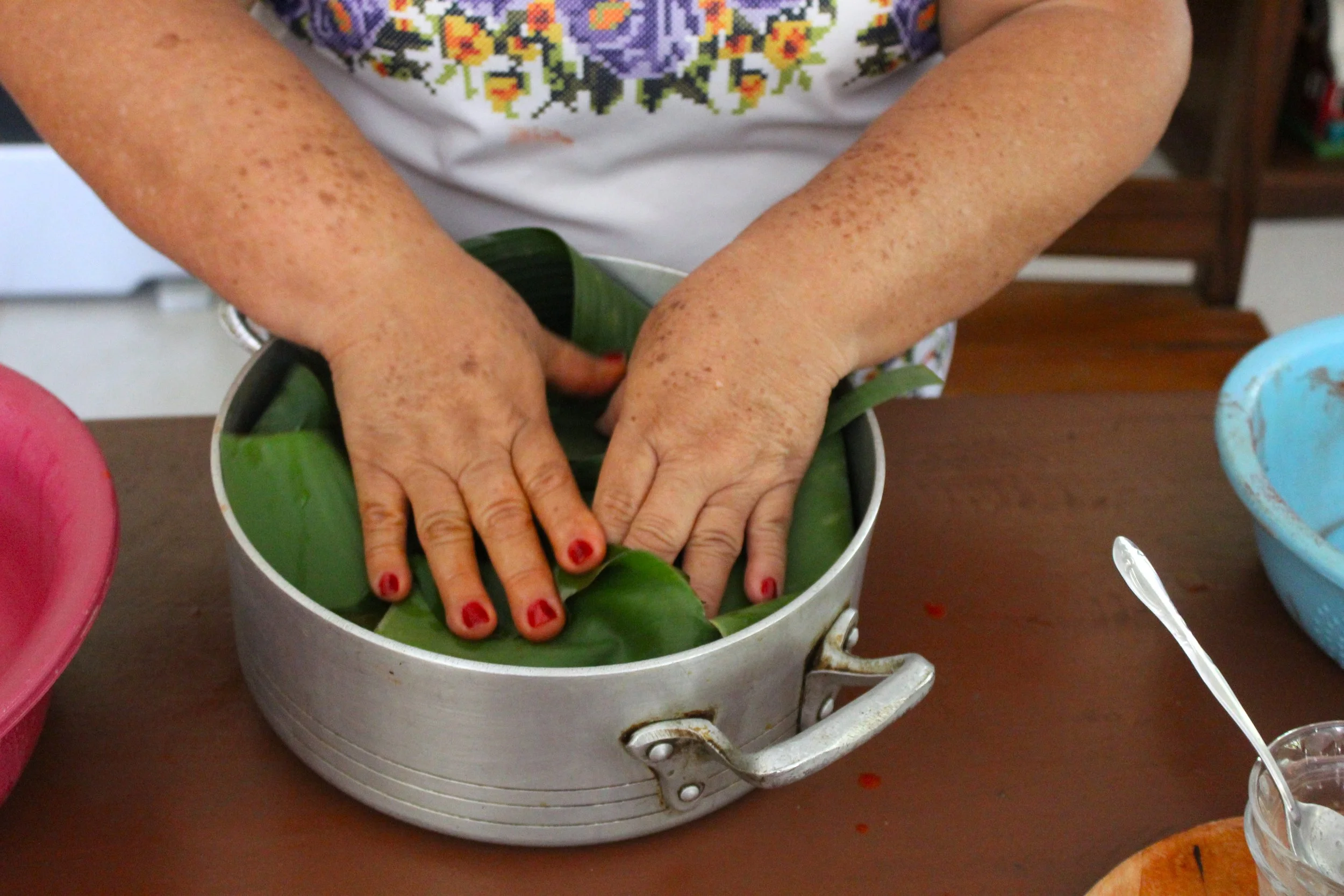
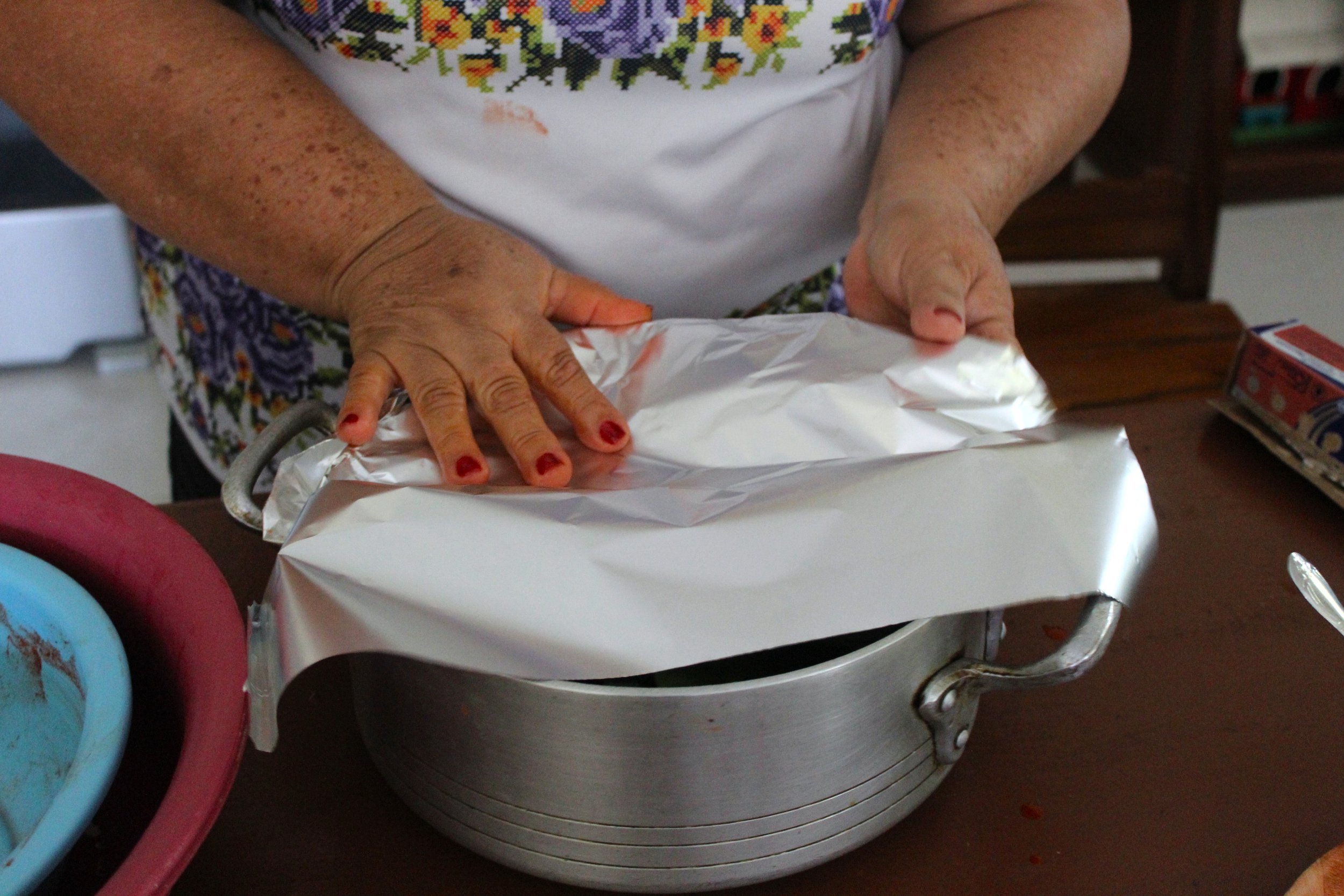
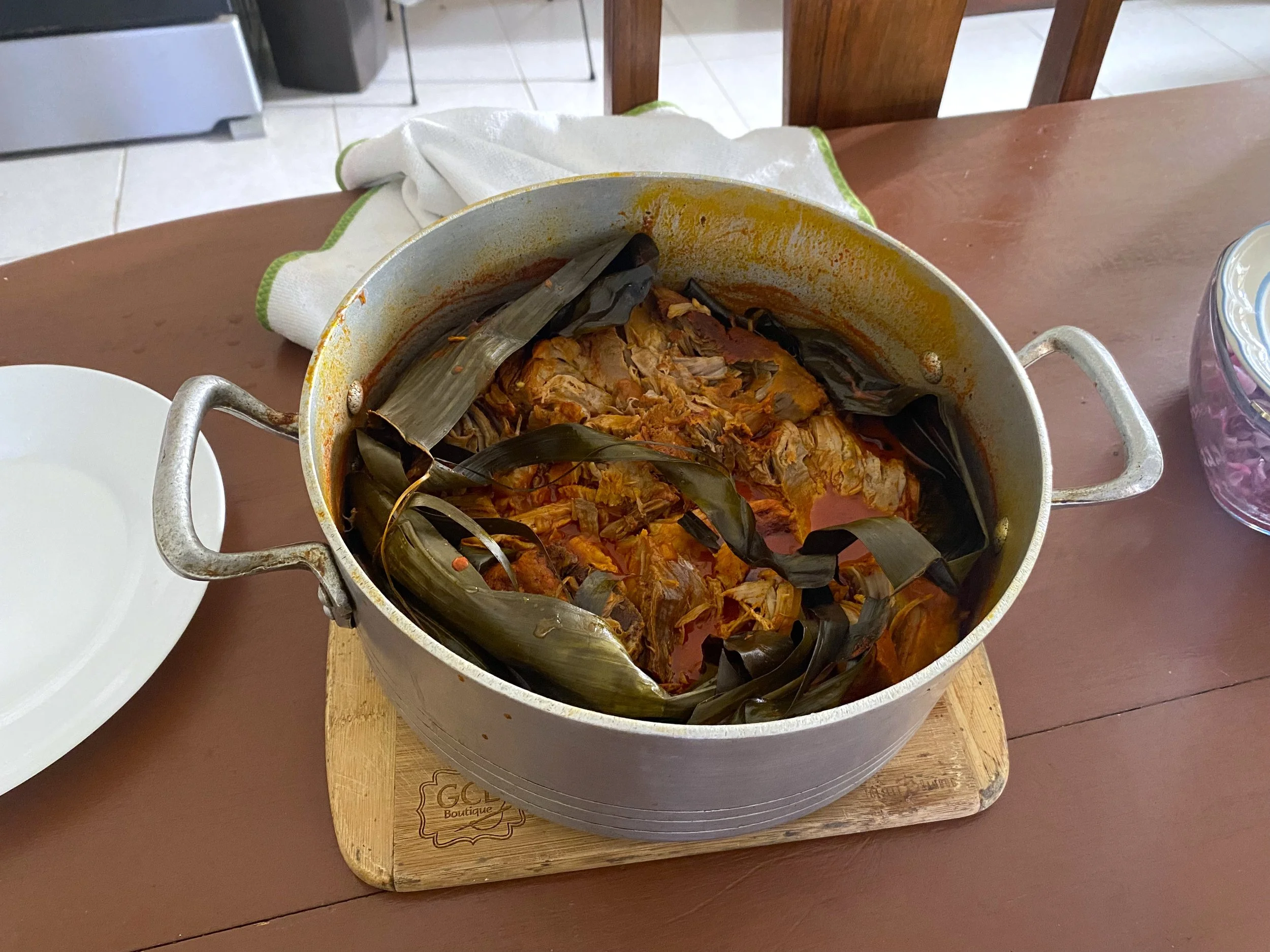
Grease the inside of the oven-safe pot with lard, then line it with banana leaves and place the marinated pork inside. Cover the meat with another banana leaf, if available, and seal the pot tightly with aluminum foil before placing the lid on top. If you don't have banana leaves, simply grease the pot with lard and seal it tightly with aluminum foil instead. Make sure there are no gaps so the steam stays inside.
Bake for about 2 hours. After that time, check whether the pork is done by piercing it with a fork or knife. If the meat is very tender and easily falls apart, it is ready to serve. If not, continue cooking, checking it periodically to prevent it from drying out.
Pickled Red Onion (Optional)
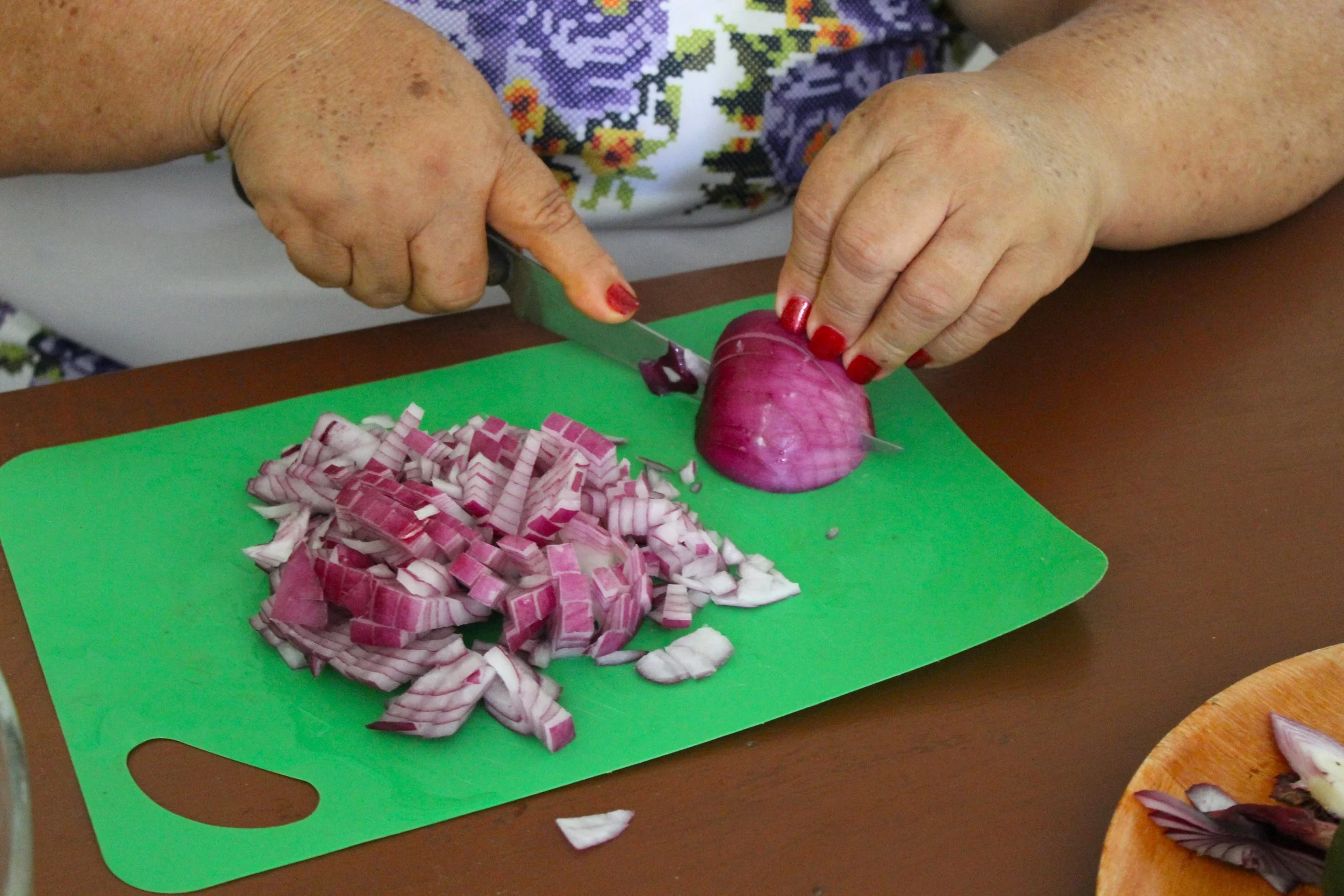
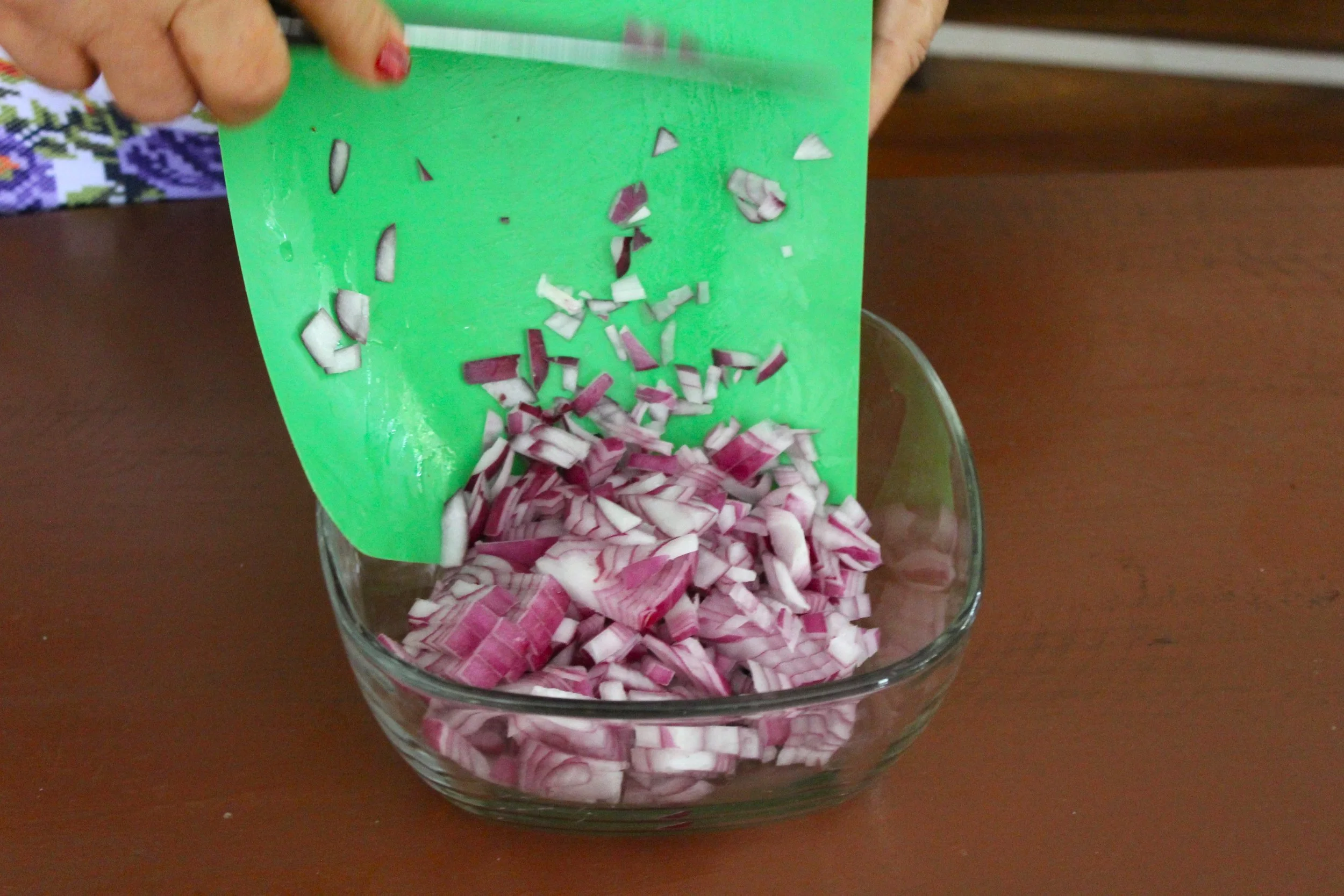
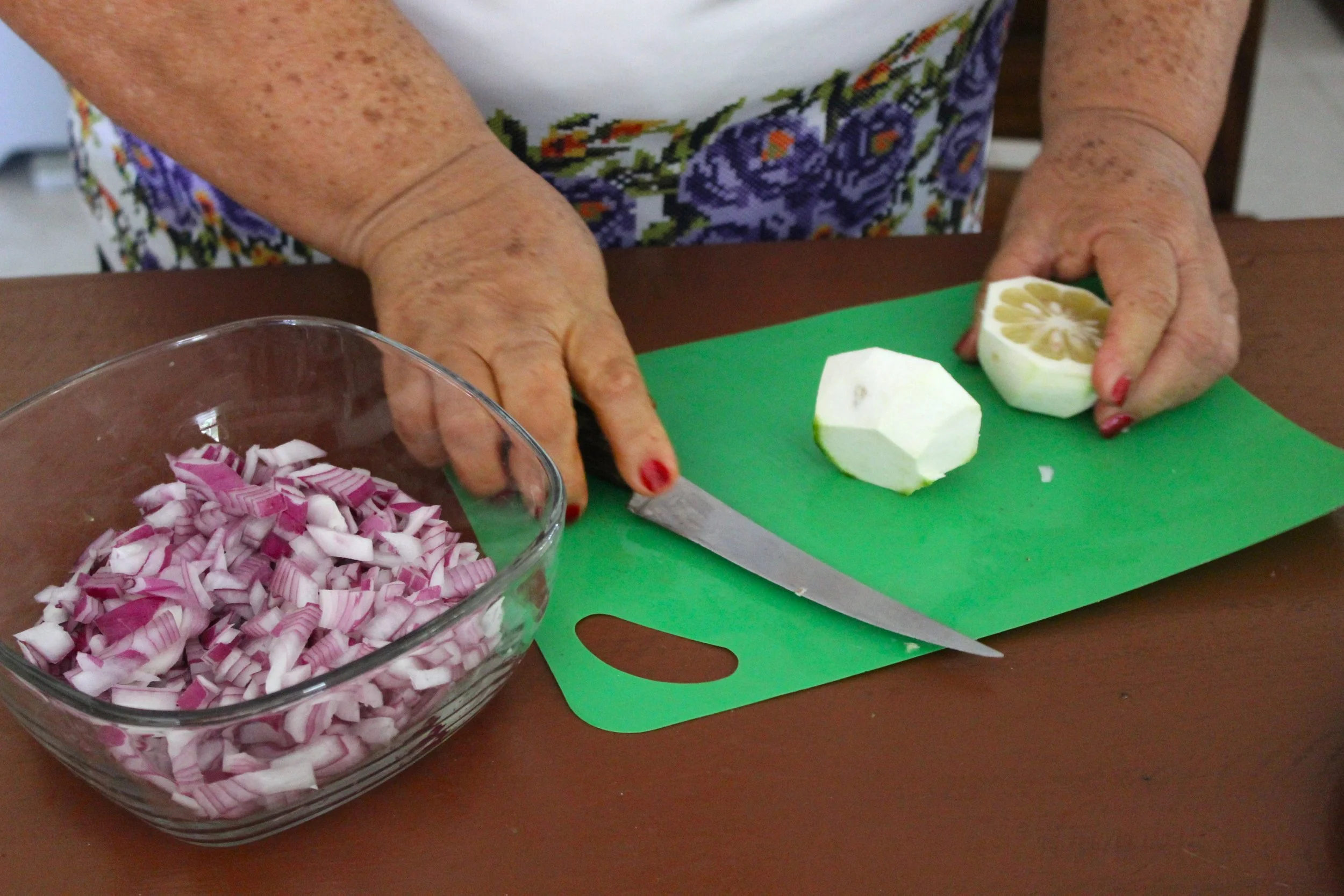
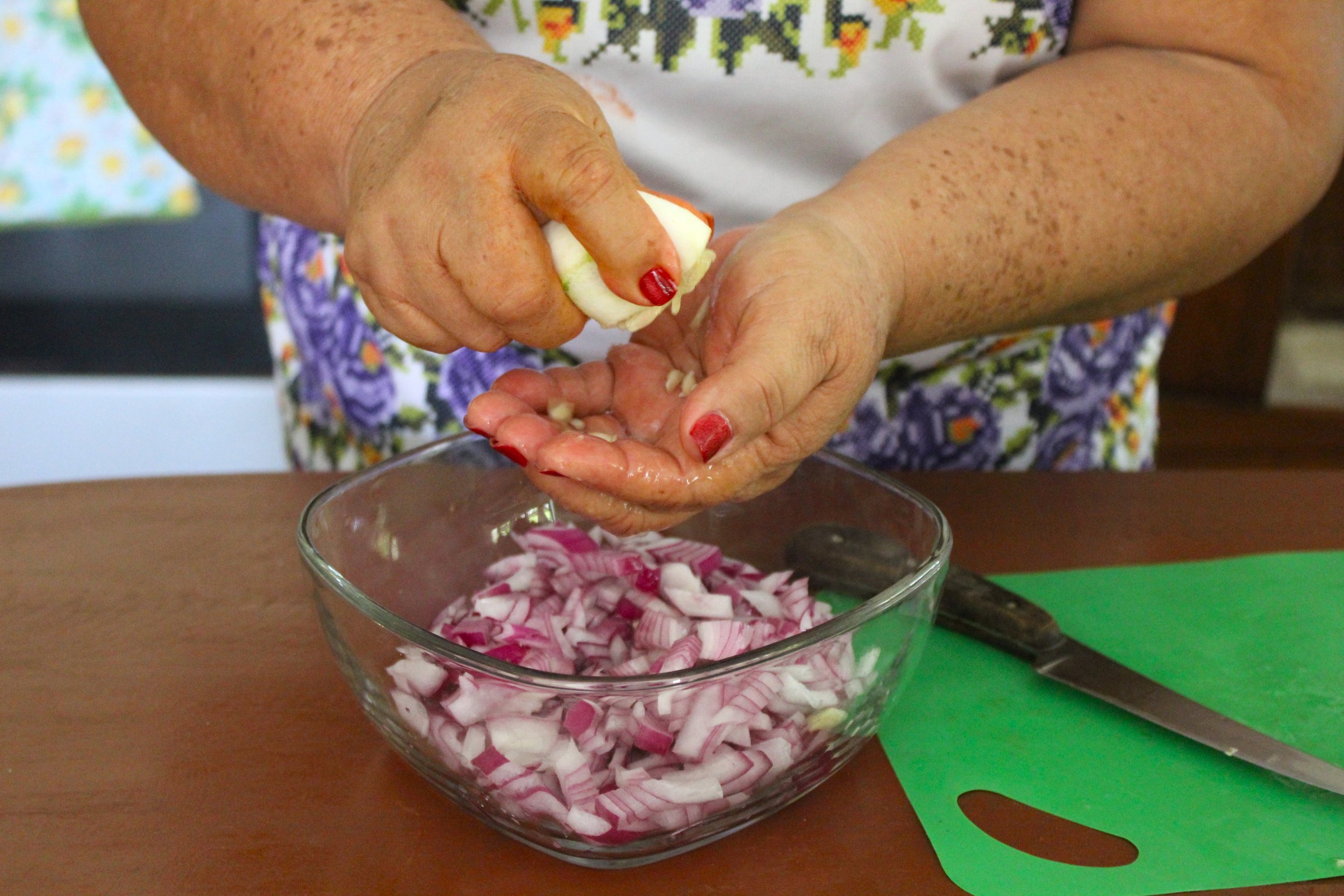
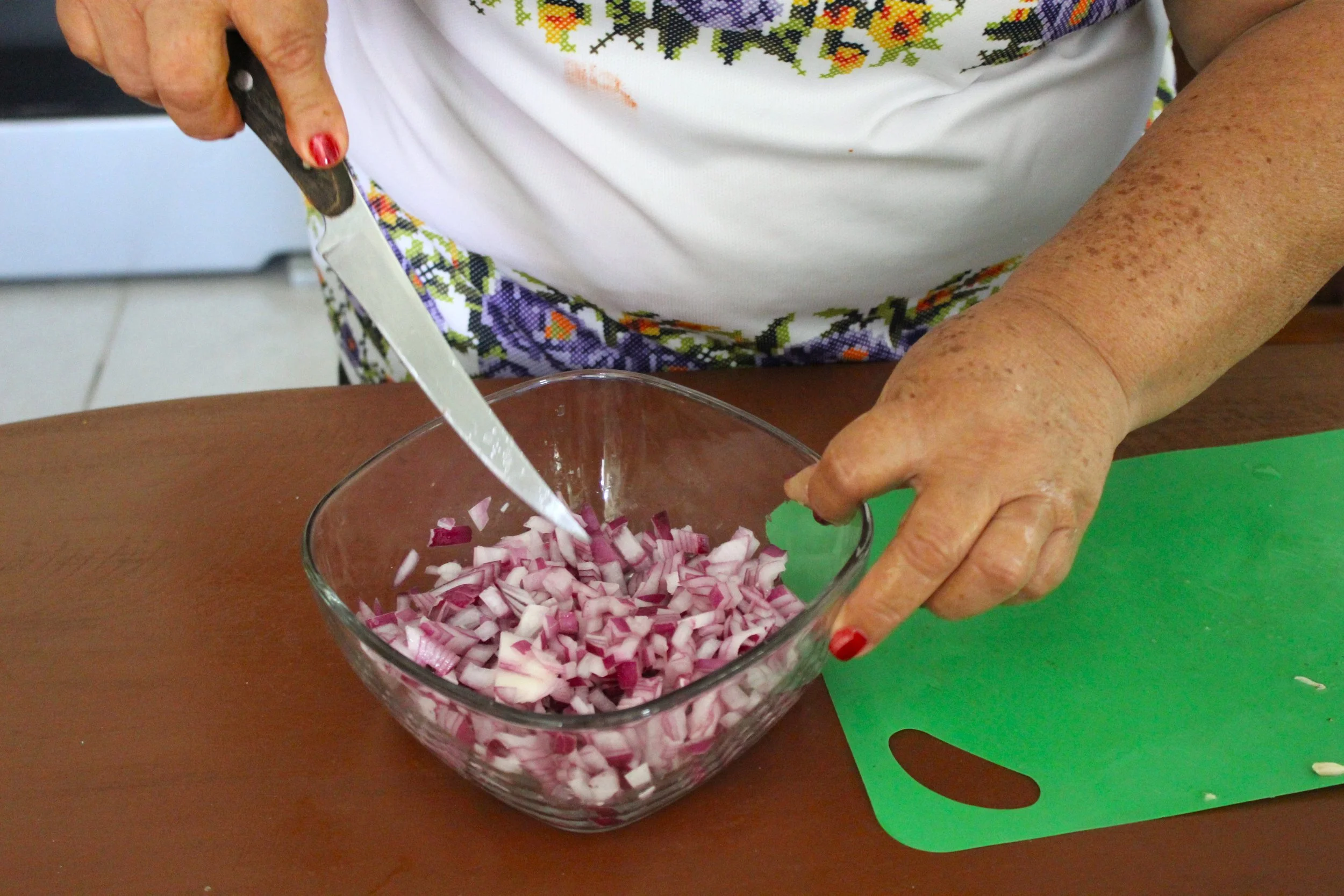
Dice the red onion and place it in a bowl.
Add the juice of 1 sour orange and salt to taste. Mix well and let it sit until the onion softens and changes color. Serve alongside the cochinita pibil.
To learn more about Na’atik’s English language program for local and Indigenous students in Felipe Carrillo Puerto, visit our Impact Page. We are only able to provide this much needed program thanks to the support of generous donors and the funds raised from our award winning Maya and Spanish Immersion Program. If you would like to support our mission please consider donating today or take a look at our immersion programs and online class packages.