
Cacao: Beyond a Seed, the Treasure of Ancient Mesoamerica
Cacao played an important role among the various Indigenous peoples who lived in Mexico before the Spanish conquest. Its cultivation in Mesoamerica dates back thousands of years, and it is believed that the Olmecs were among the first civilizations to cultivate and use cacao. Later, the Maya and the Mexica adopted and expanded its cultivation and use, making it an essential part of their societies. Cacao was not only a source of food; it also represented power, wealth, and spirituality. It was one of the most valuable resources of the time and played a key role in the economy.
In the Mesoamerican region (southern Mexico), the climate was ideal for cultivating and harvesting cacao, making it the principal cacao-producing region. The Mexica received cacao as tribute from other Indigenous civilizations they had conquered, which were required to deliver large quantities of cacao to the government of Tenochtitlan. In addition to its value as a tribute, cacao beans were widely used as a form of currency and could be exchanged for goods and services, making them an essential part of everyday economic life.
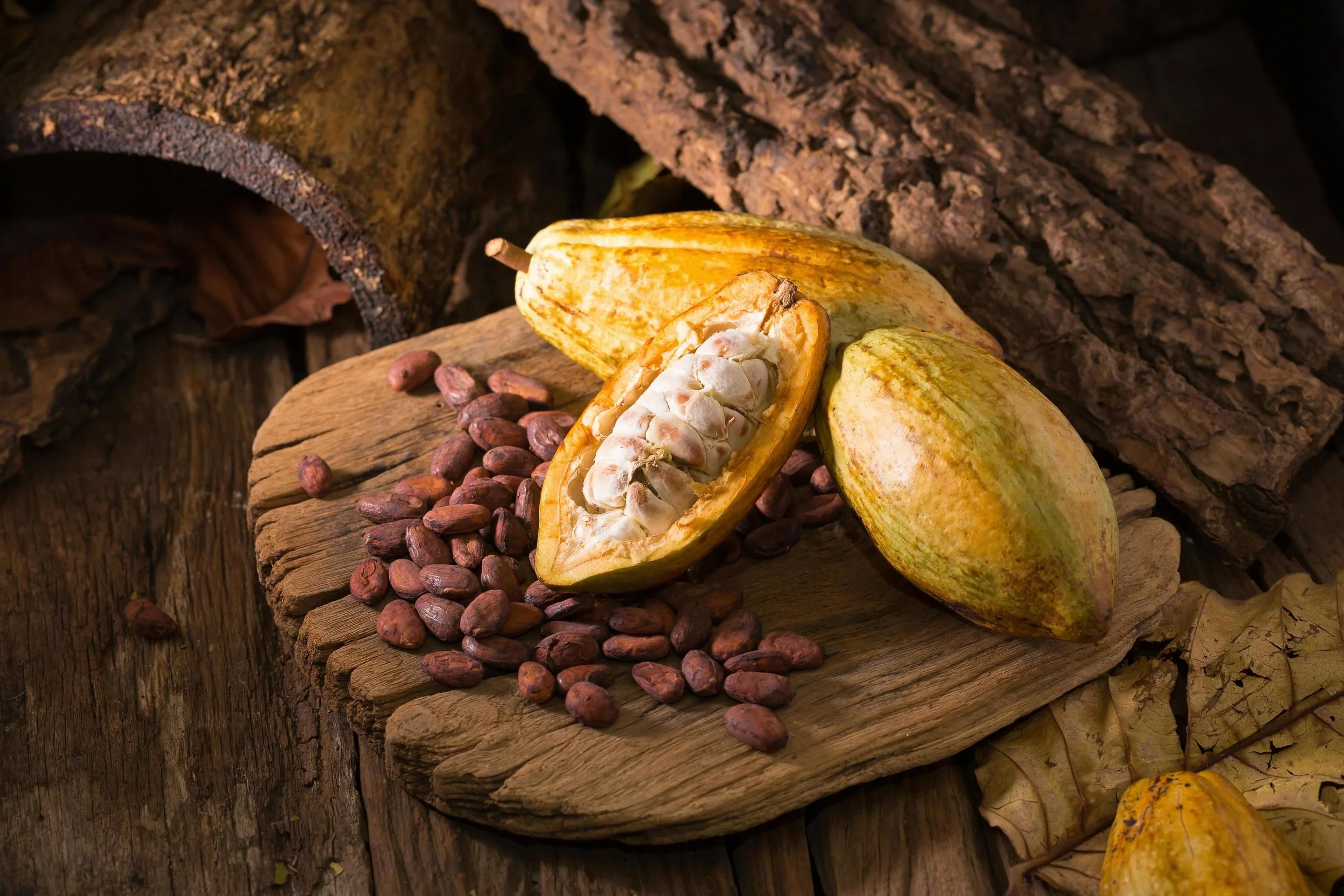
Image from Vecteezy
Cacao beans also played an important role in everyday food and drink. Different beverages were prepared using cacao, often mixed with ingredients such as maize, chili peppers, vanilla, and honey. These drinks were traditionally served with a layer of foam, which was considered a sign of quality and skill in their preparation. As a result, they had a bitter or spicy flavor, quite different from the sweet chocolate we know today.
Drinking these beverages was also closely linked to social status, they were commonly served at banquets, religious ceremonies, and gatherings of the nobility. These events were attended by rulers, priests, distinguished warriors, and high-ranking merchants. Among the Maya and the Mexica, cacao beverages were often reserved for important occasions and members of the elite.
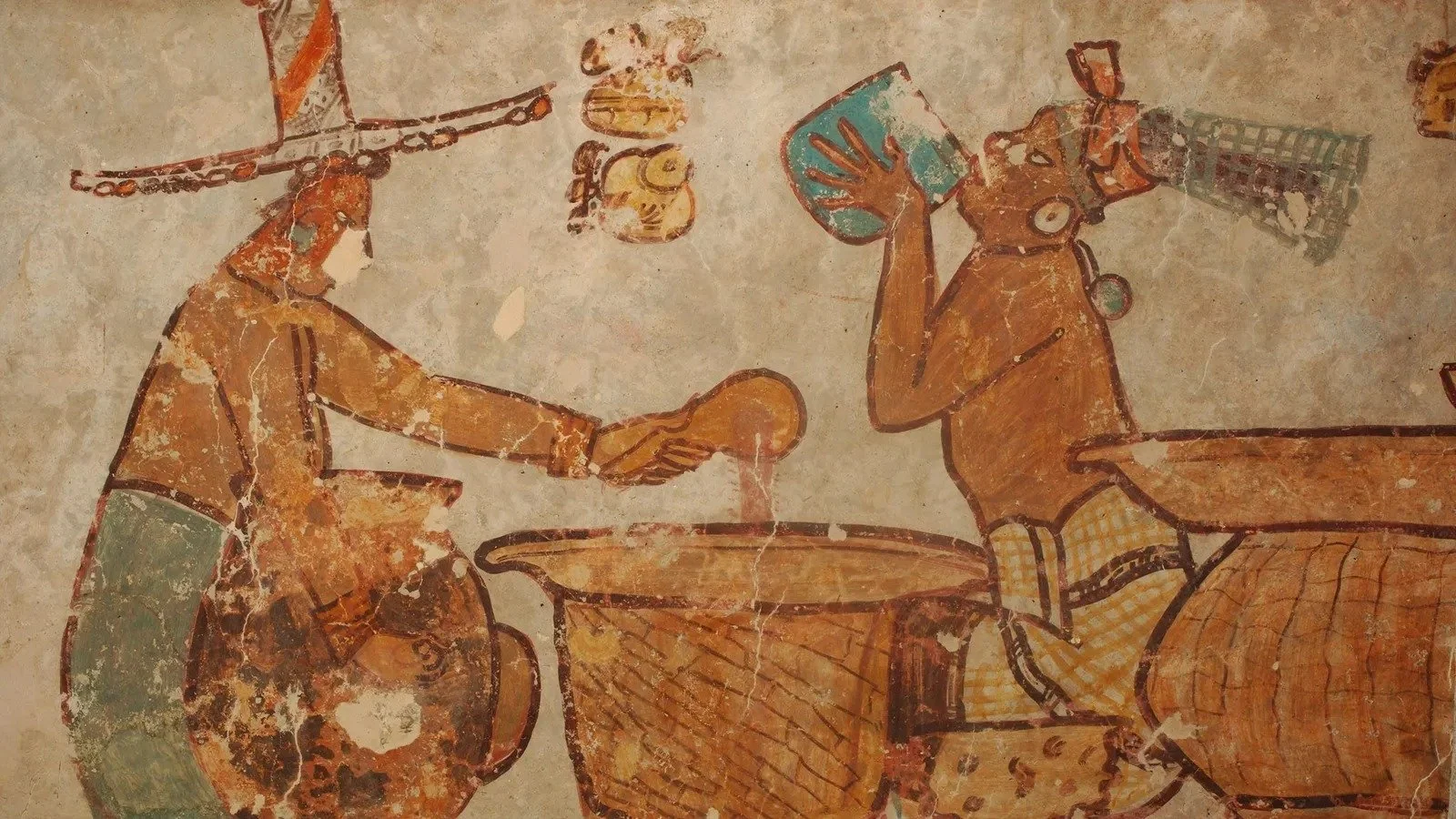
Image from National Geographic
Part of the reason cacao was such an important and highly valued bean in ancient civilizations was its association with the gods and with religious beliefs. For some Mesoamerican peoples, cacao was connected to fertility, abundance, and the origin of life. Because of this, it was offered to the gods during religious ceremonies, used in rituals to pray for successful harvests, and even included in marriage celebrations. Cacao was also valued for its energizing qualities and was believed to have medicinal properties.
The central role of cacao in ancient civilizations also encouraged the development of extensive trade networks throughout the country, connecting different communities. These networks not only facilitated the exchange of valuable goods such as fine feathers, jade, textiles, and, of course, cacao, but also promoted contact among different peoples, allowing knowledge, customs, and technologies of the time to spread.
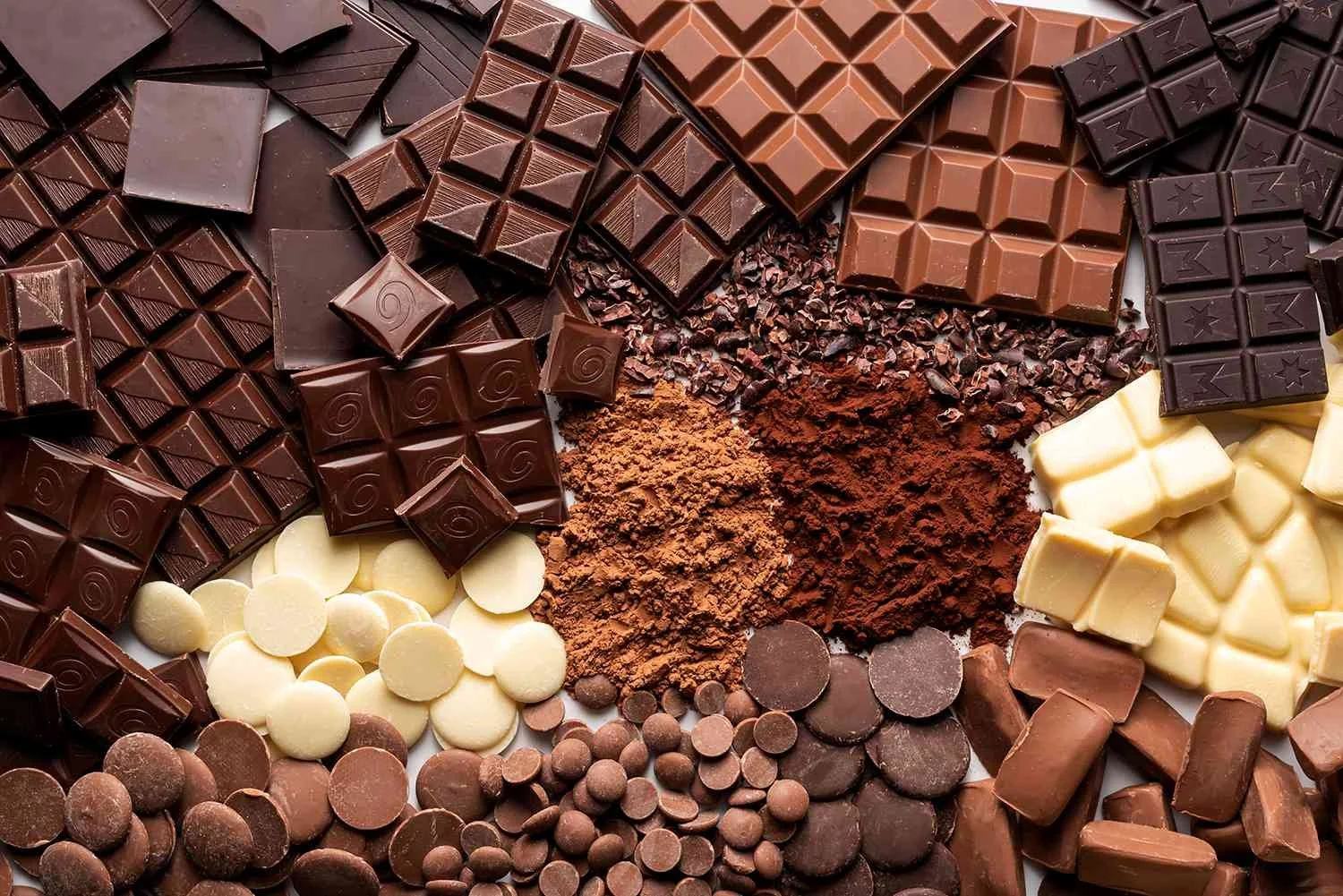
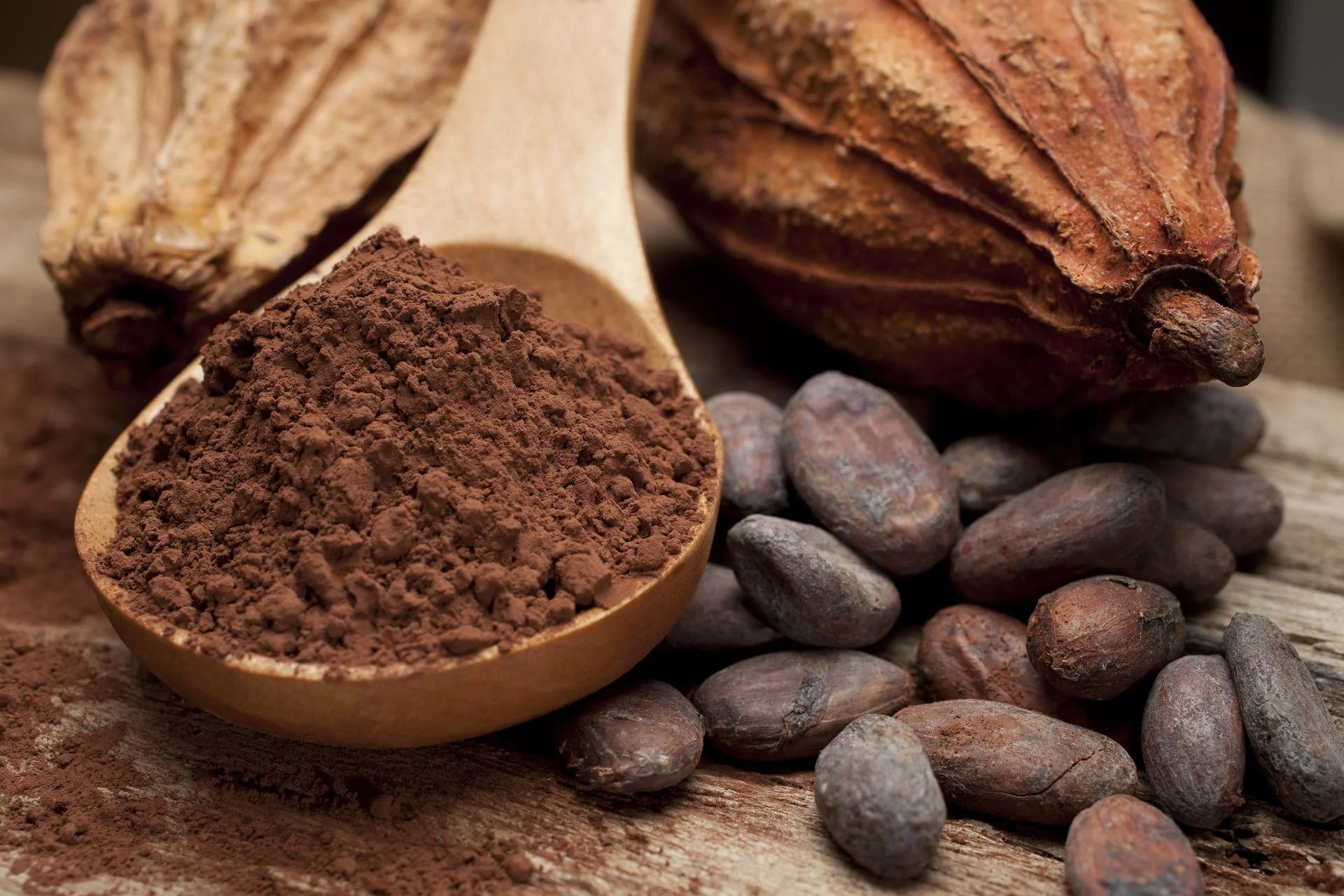
Although many of these traditions changed after the Spanish conquest, cacao never lost its importance. Today, it continues to play a significant role around the world. Its uses range from the food industry (including the production of chocolate, beverages, desserts, cocoa powder, and cocoa butter), to the cosmetics industry, where it is used in products such as lip balms, soaps, creams, lotions, and other personal care products.

To learn more about Na’atik’s English language program for local and Indigenous students in Felipe Carrillo Puerto, visit our Impact Page. We are only able to provide this much needed program thanks to the support of generous donors and the funds raised from our award winning Maya and Spanish Immersion Program. If you would like to support our mission please consider donating today or take a look at our immersion programsand online class packages.