
What It's Like to Be an Immersion Student at Na’atik
“Here the classes I find are much better and more challenging because you have to speak and you have to listen. It's not just memorizing rules, which is harder, but that's like how you learn new things is when things are hard, you learn more. So I think it's more difficult, but more helpful.”
This month, we had the opportunity to talk with Francelia, a Spanish immersion student who has been taking classes at Na’atik for the past three weeks. She shared her experience as an immersion student, what daily life has been like, and what it has been like living with her host family.
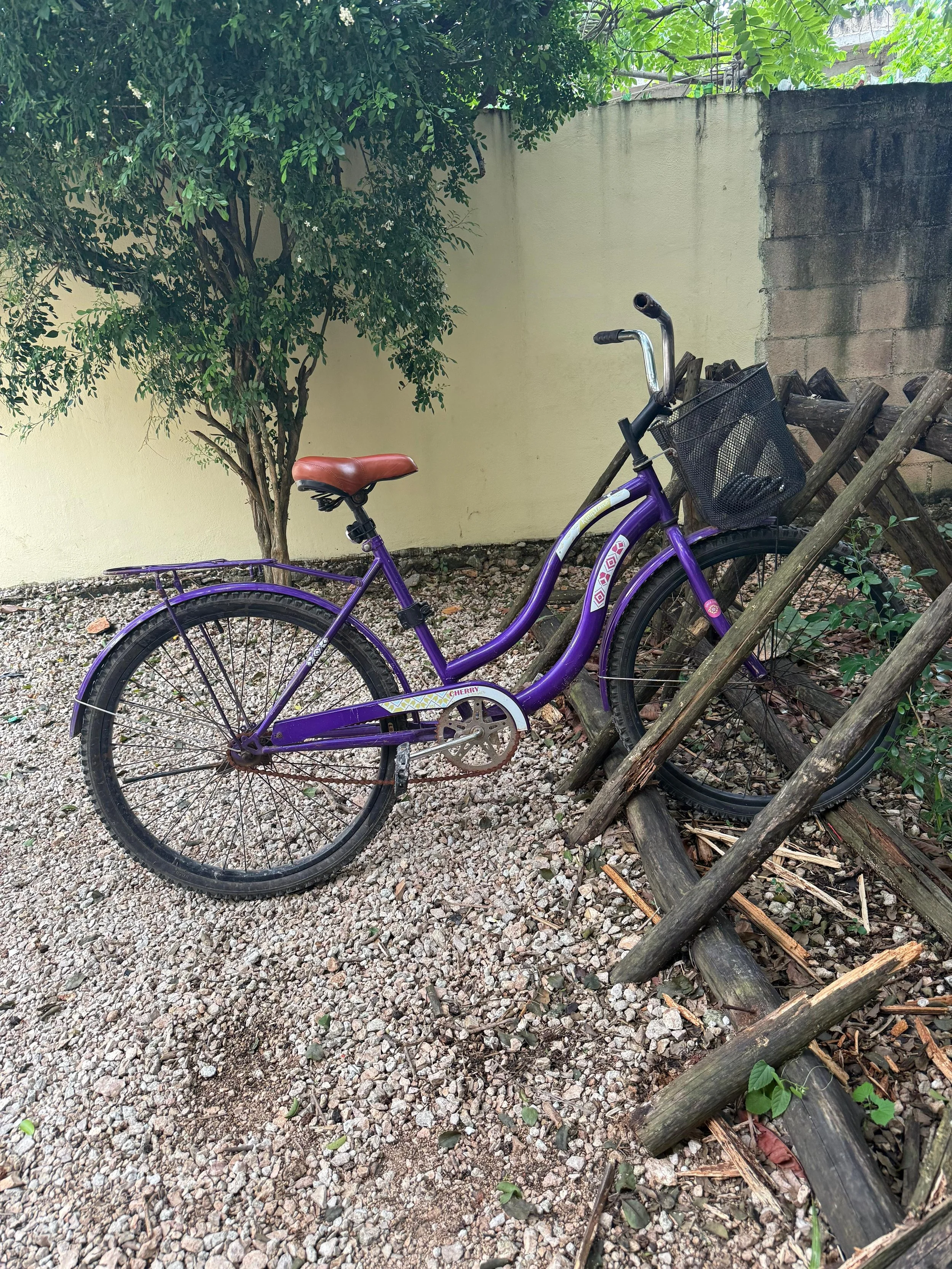
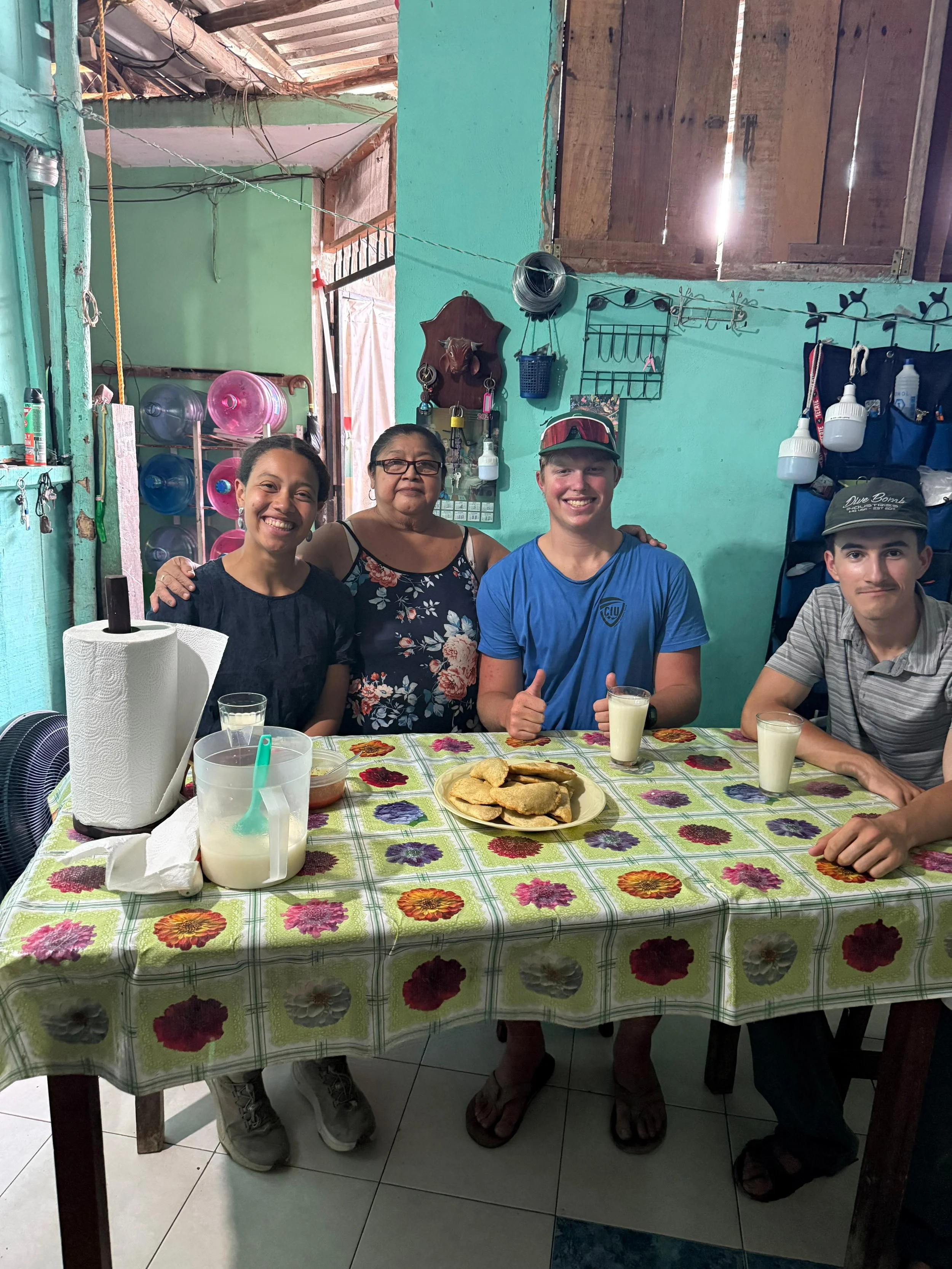
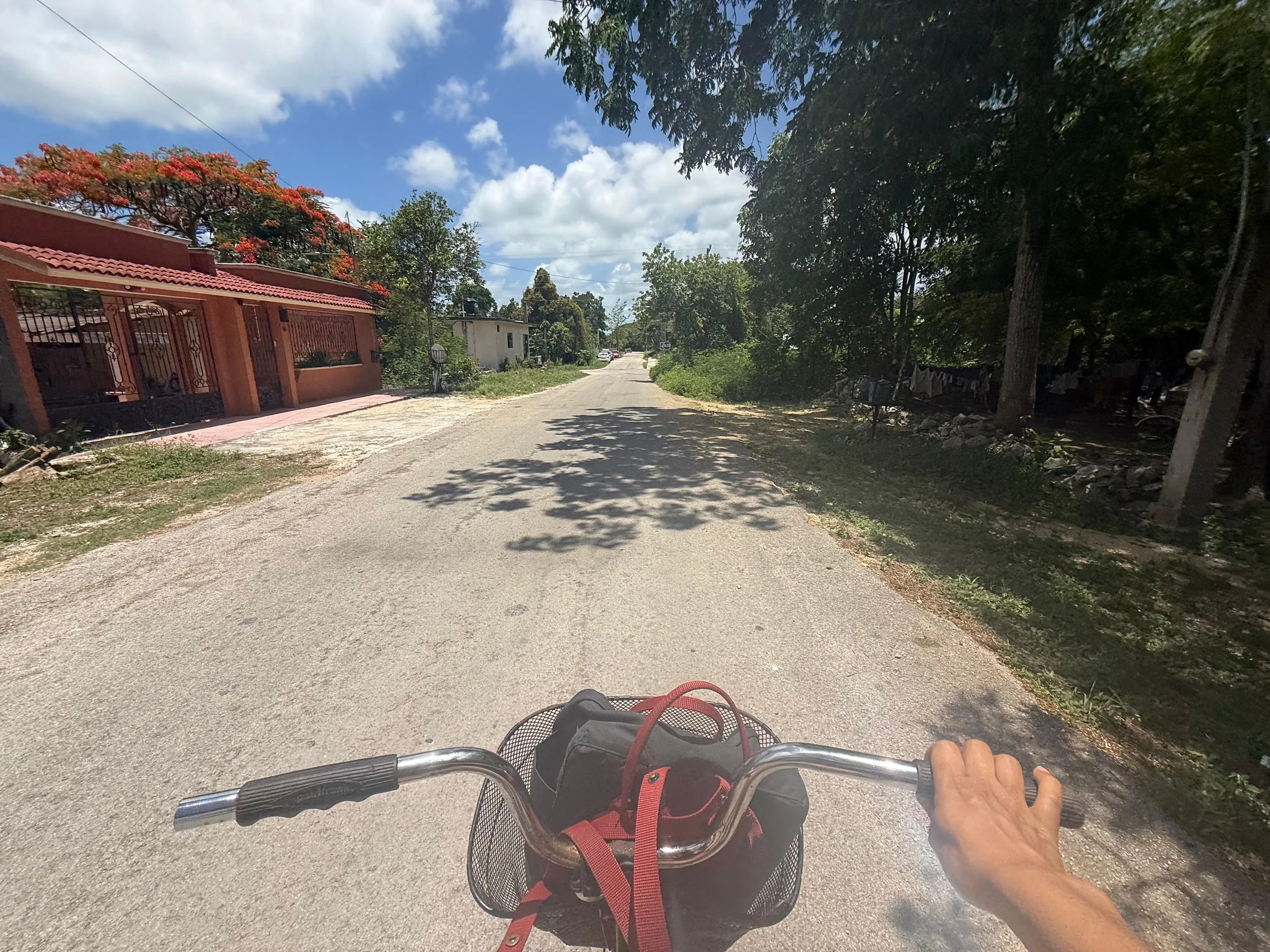
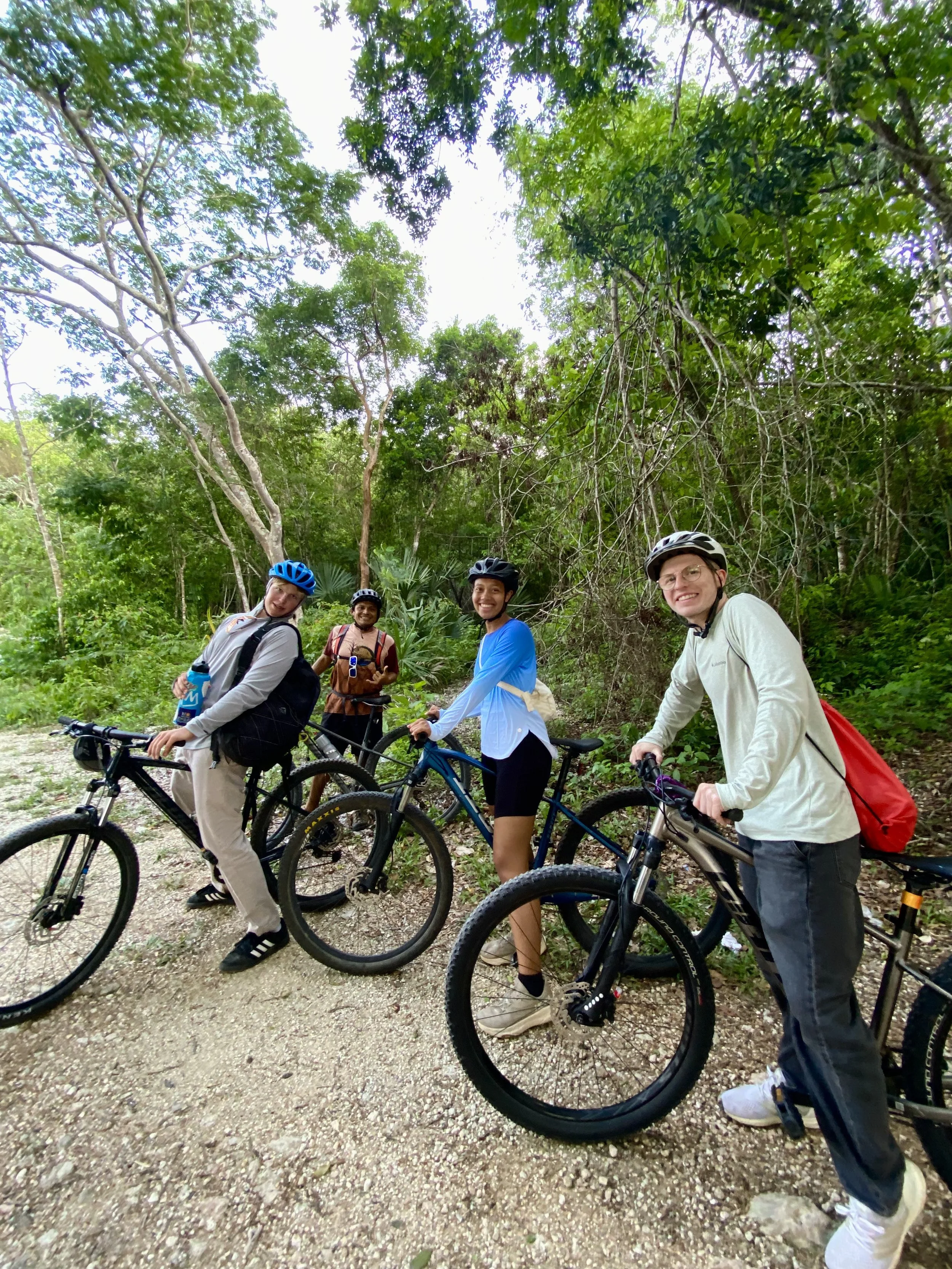
A typical day for Francelia starts at 7:30 a.m. She wakes up, heads downstairs, and her host mom prepares breakfast for her. She usually has fresh fruit such as papaya, watermelon, or banana, along with something warm like empanadas or another homemade dish. After breakfast, she rides her bike to Na’atik for her classes.
Each day in class, she learned new topics while also practicing conversation. Francelia said she enjoyed her classes because they involved much more than simply sitting, listening, and taking notes on grammar. She practiced by speaking and listening in addition to learning the grammar. They practiced with games and different worksheets and then watch some videos to practice listening again. Finally, they talked about what they think or what they learned from the class.
In her opinion, the classes were helpful for improving her listening and reading skills. She also added that she found her classes at Na’atik much better and more challenging because she had to actively speak and listen, rather than simply memorizing grammar rules. Although it's more demanding, she believes it's also much more effective.
“I think I've improved a lot in listening, reading and writing. For me, the most challenging part is talking and making mistakes. It’s hard for me to try a new way of saying something or a new word that I learned because I’m nervous about saying it wrong or using it in the wrong way. So, speaking is still hard, but I think the longer I've been here, the more I've improved”, Francelia says.
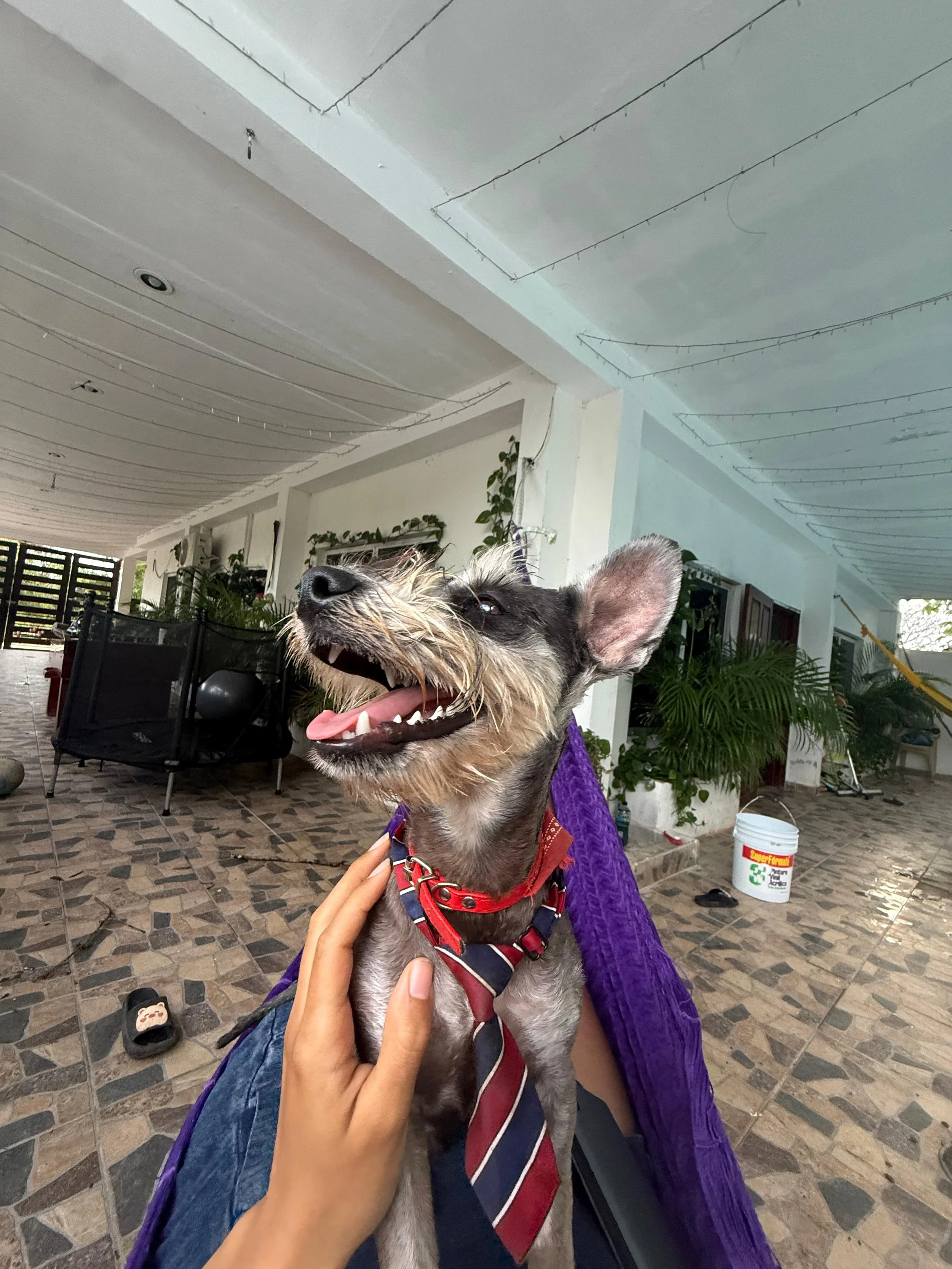
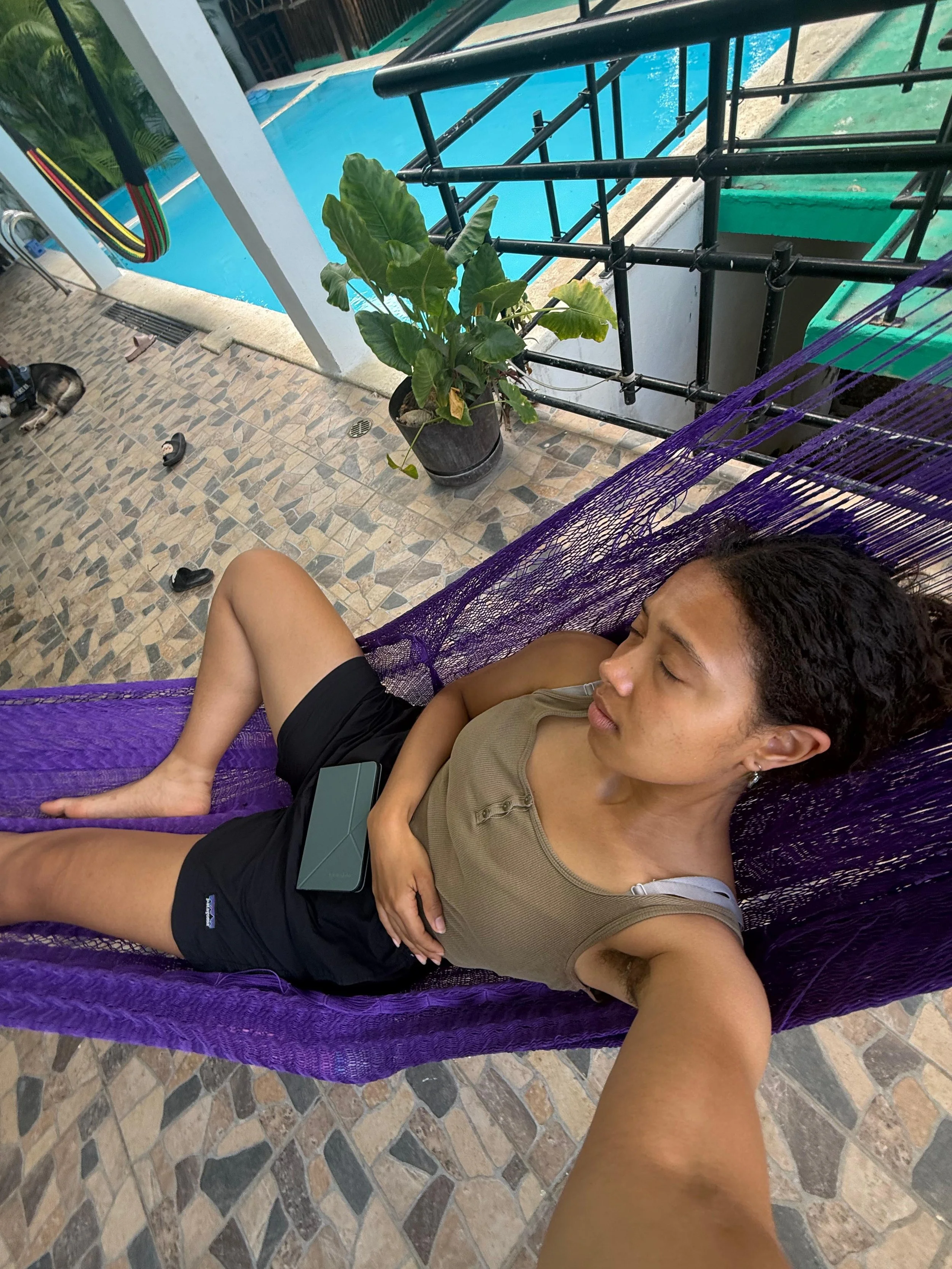
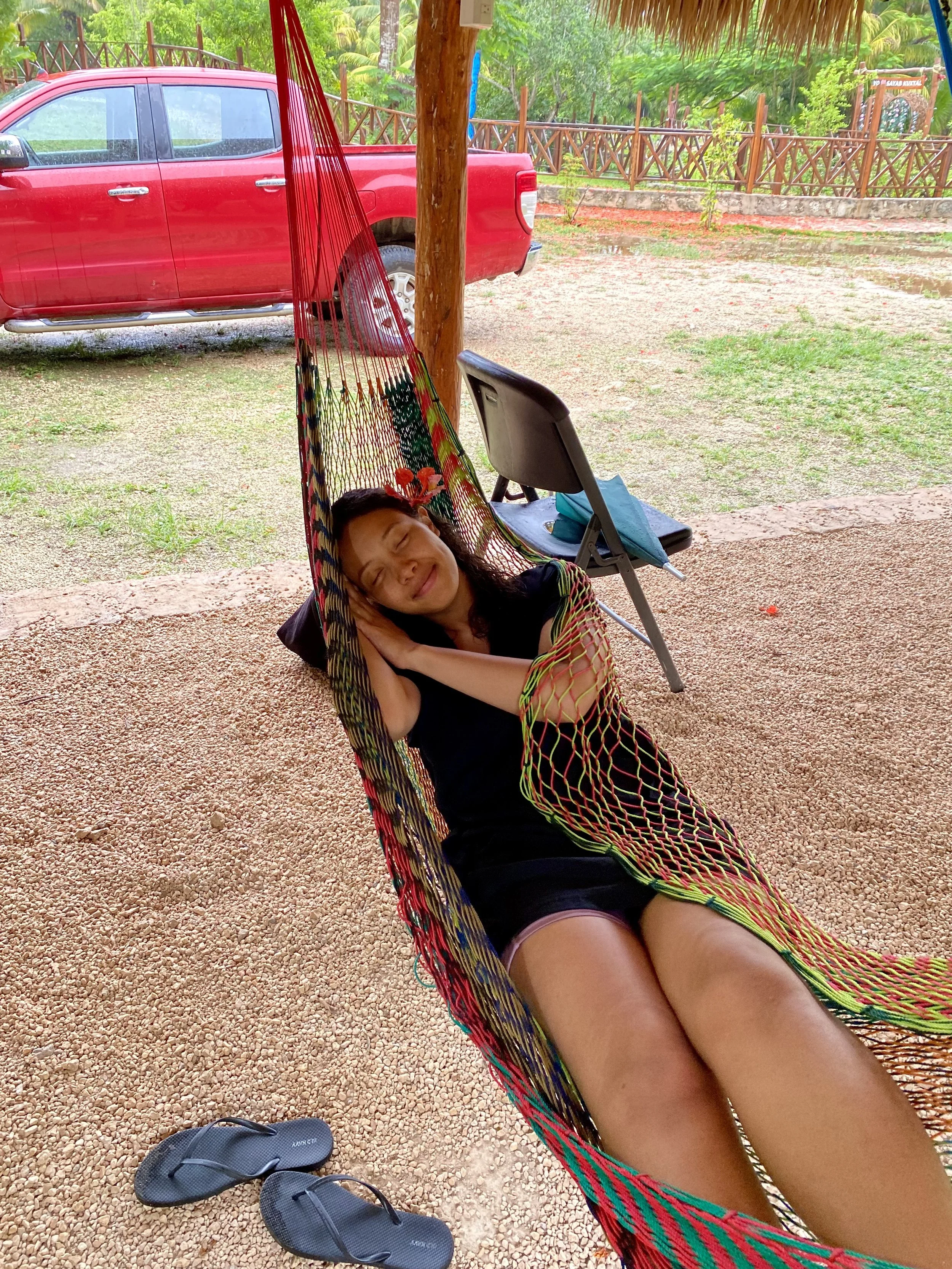
After class, she heads back home for lunch. Sometimes, before eating, she'll take a nap in the hammock outside, jump into the pool with the children in her host family, or play games with them. Then, everyone gathers for lunch together.
She says her host family has always invited her to join whatever they're doing, which has made her feel very welcome. Some of the activities they enjoy together include playing games with the children, such as lotería, pretending to go shopping or to school, and watching videos or television together. According to Francelia, these everyday moments have helped her practice speaking Spanish much more naturally.
“It's really good practice for speaking and listening also because they use a lot of slang or words that I wouldn't necessarily learn or hear a lot in class that they're using a lot, which is good practice”, she adds.
They just sort of hang out until dinner and have dinner later than she is used to, at like eight or nine. It's been an adjustment, the eating schedule, but now she is used to it and it's nice to be able to eat with the family. After spending time with the family, she goes to bed early so she can wake up refreshed for another day of classes.
When asked why she chose an immersion program, Francelia explains that, for her, immersion is the best way to learn because it forces you to be using and thinking about the language all the time, so, in her opinion, it's the best way to learn it.
She chose Na’atik because she felt it was very different from other immersion programs. What stood out to her was that Na’atik is an organization connected to the local community and offers an experience that feels more like ethical travel than traditional tourism.
Before arriving, she expected to feel exhausted from being surrounded by Spanish all day long, but the experience has been much easier than she imagined. She also believes it helps that there are other students from the United States taking classes with her, allowing her to take a short mental break from time to time when needed.
She also admits that she was really nervous about living with a host family because every family is different and has its own routines and traditions. However, she says her favorite part of the experience has been living with them, getting to know them, and simply spending time together.
She added that living with her host family has been a great experience. The biggest adjustment was adapting to a different eating and sleeping schedule, mainly because it's so different from what she was used to back home. At first, she found it confusing, and it took some time for her body to adjust, but the transition happened much faster than she had expected.
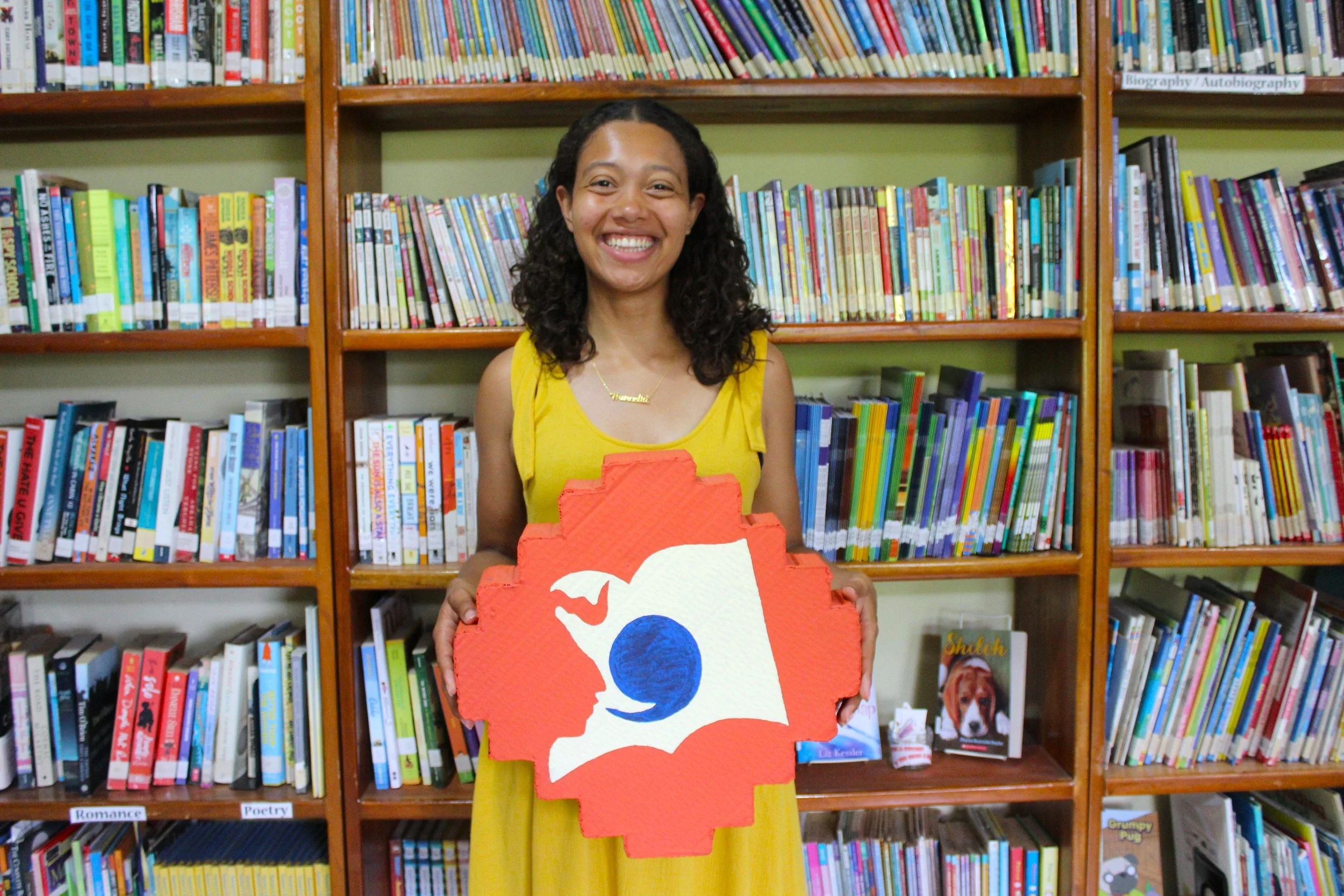
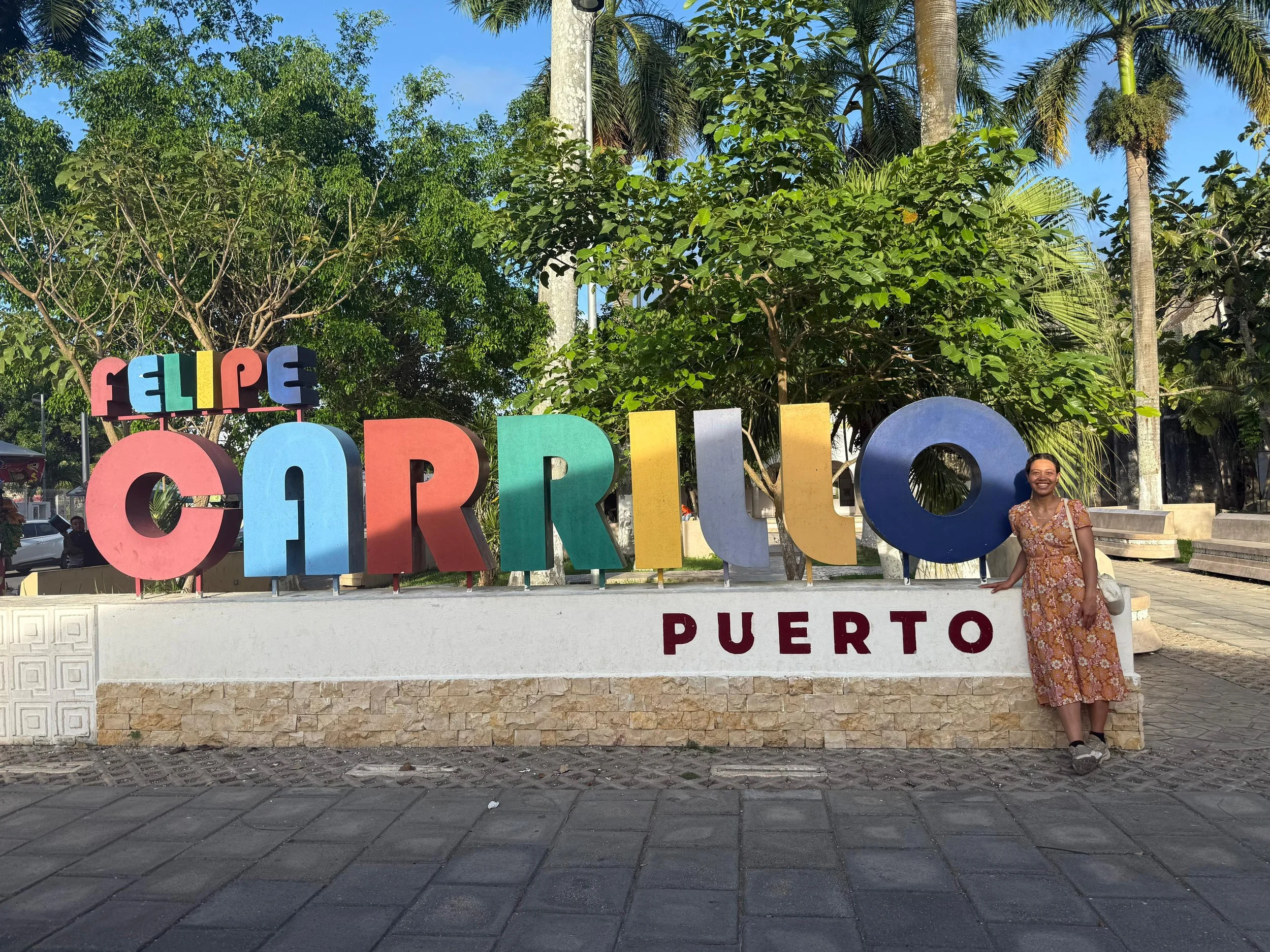
When talking about life in Carrillo Puerto, Francelia says she wasn't sure what to expect before arriving. She mentions that the town is small enough that it never feels crowded or rushed. Instead, she feels that life moves at a slower pace here, something she has really come to appreciate. She also believes that being in a smaller town, rather than a busy city where everything moves quickly, makes it an ideal place for an immersion program. The slower pace allows students to focus on learning the language while enjoying everyday life in the community.
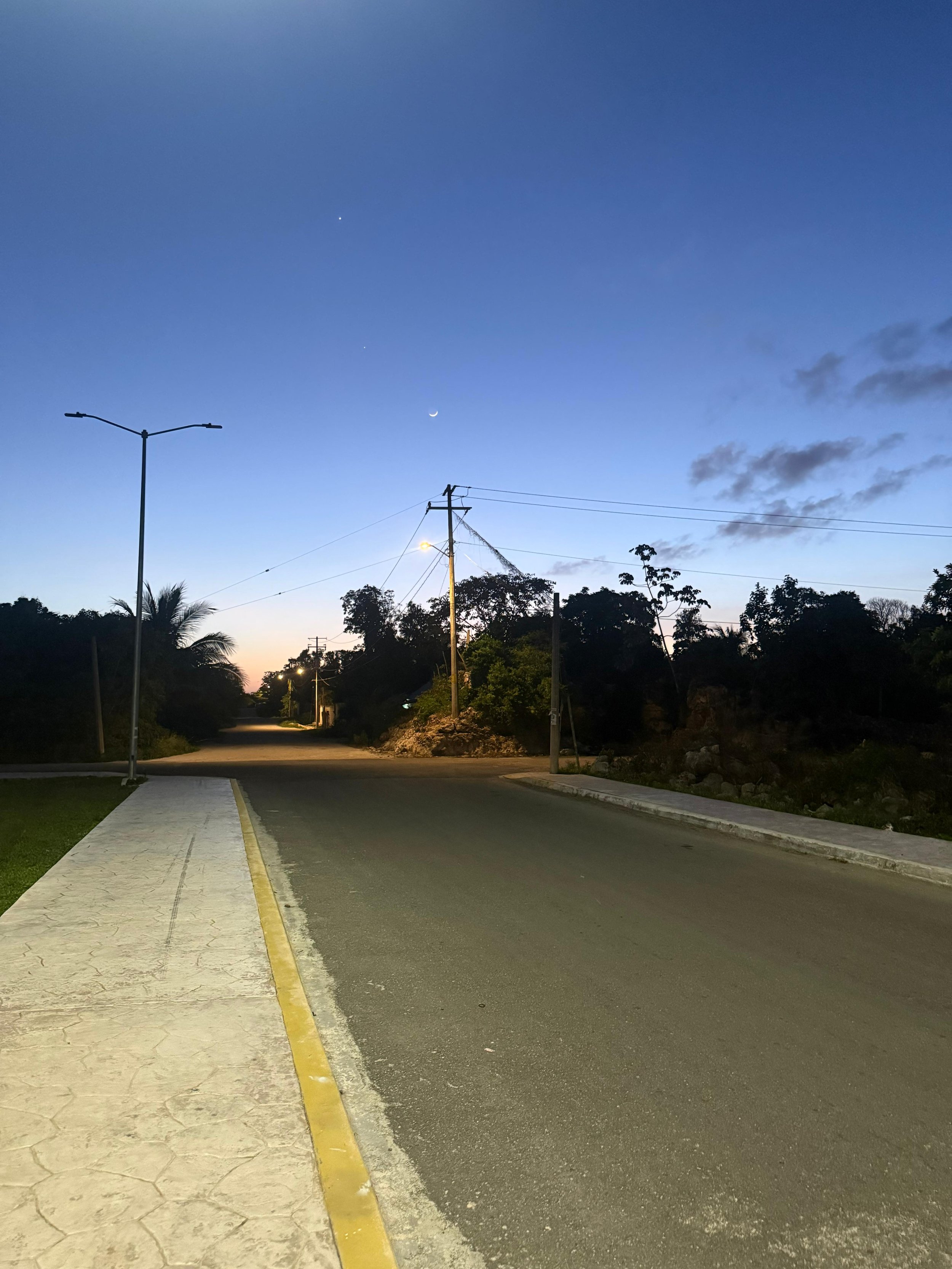
“I've run with my host mom a few times before. And I think that's been one of my favorite things to do because in the daytime, people are not really out that much. Everyone is inside or at work, but it was cool to see at like seven, because the sun was going down, like there were so many more people out and it felt like the town was coming alive. I like that. Also, meeting different people has been my favorite part, and that’s like what I’ll remember the most."
She also shared that she told her family and friends she wanted to immerse herself as much as possible during the program, so she wouldn't be calling or texting them very often. Instead, she wanted to stay focused on speaking Spanish and fully embrace the experience, and she thinks that was really helpful too.
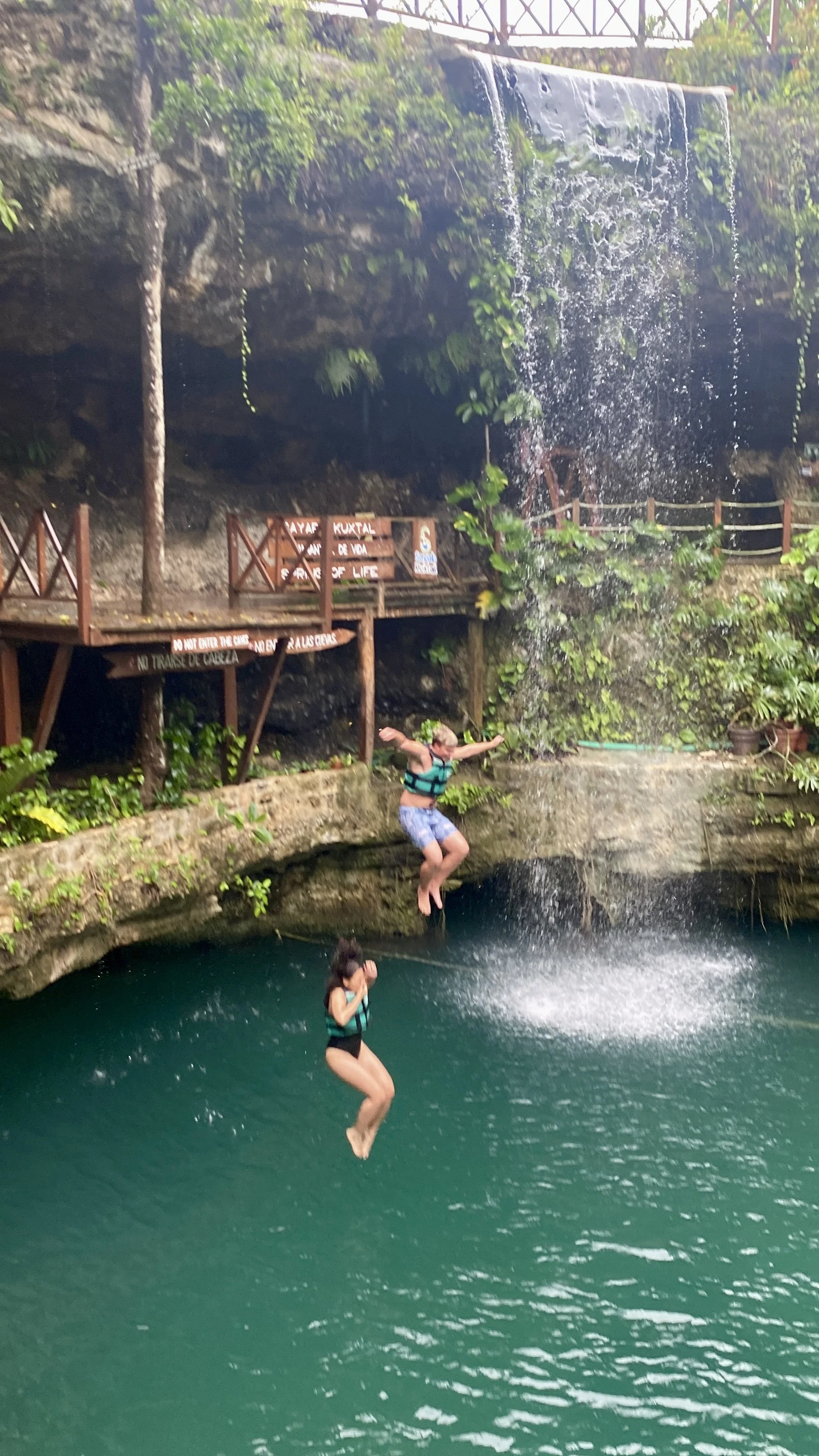
Finally, she added that she really enjoyed participating in Na’atik's activities. Before arriving, she hadn't signed up for many of them, but once she got here, she decided to join more because she realized how valuable they were.
"It's nice to get outside of Carrillo and also listen and speak Spanish with other people that are not my host family or my teacher. It's interesting to learn more about Mexican history or Mexican customs or culture, I've learned a lot in the different activities. For anyone considering taking an immersion course at Na'atik, my advice would be to immerse yourself in the language as much as possible before you arrive. I also encourage you to sign up for different activities because it's good practice and you learn a lot."
Thank you so much, Francelia, for taking the time to share what a typical day as a Spanish immersion student at Na’atik looks like and for telling us about your experience. Thank you for filling our classrooms with your enthusiasm and positive energy. We hope you leave with meaningful experiences and stories to take home. It has been a pleasure having you as part of the Na’atik community!
To learn more about Na’atik’s English language program for local and Indigenous students in Felipe Carrillo Puerto, visit our Impact Page. We are only able to provide this much needed program thanks to the support of generous donors and the funds raised from our award winning Maya and Spanish Immersion Program. If you would like to support our mission please consider donating today or take a look at our immersion programs and online class packages.