Every October, Indigenous Peoples’ Day in the United States offers an opportunity to recognize Indigenous histories, cultures, and contributions. In Mexico, October 12 carries its own history and meaning, opening a conversation about Indigenous identity, cultural heritage, and the legacy of colonization.
Although these observances have different origins, both invite us to reflect on how Indigenous peoples have shaped our societies and why their cultures, languages, and voices deserve recognition throughout the year.
Two Countries, Different Histories
In the United States, Indigenous Peoples’ Day is observed on the second Monday of October. It recognizes Indigenous peoples, their histories, cultures, and contributions, while encouraging a broader understanding of the history behind Columbus Day.
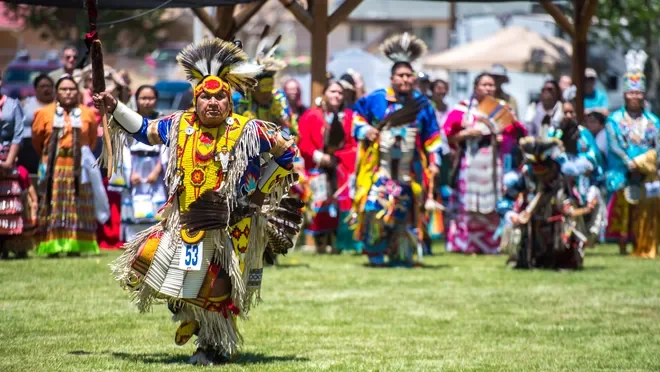
Image by thespectrum.com
In Mexico, October 12 was traditionally known as Día de la Raza, a name associated with the cultural encounter between Indigenous peoples and Europeans following Christopher Columbus’s arrival in the Americas in 1492. However, the date has since taken on a different official name. In 2020, Mexico formally renamed the observance Día de la Nación Pluricultural (Day of the Pluricultural Nation), reflecting greater recognition of the country's cultural diversity and the Indigenous peoples who have shaped its history and identity.
The change represents a shift in how the date is understood: rather than focusing primarily on the encounter between Europe and the Americas, it offers an opportunity to recognize the many peoples, languages, and traditions that make up Mexico today.
The two observances are not identical, but both provide an opportunity to look beyond familiar historical narratives and recognize Indigenous peoples as living communities with distinct identities, histories, and futures.
The Living Heritage of the Maya Region
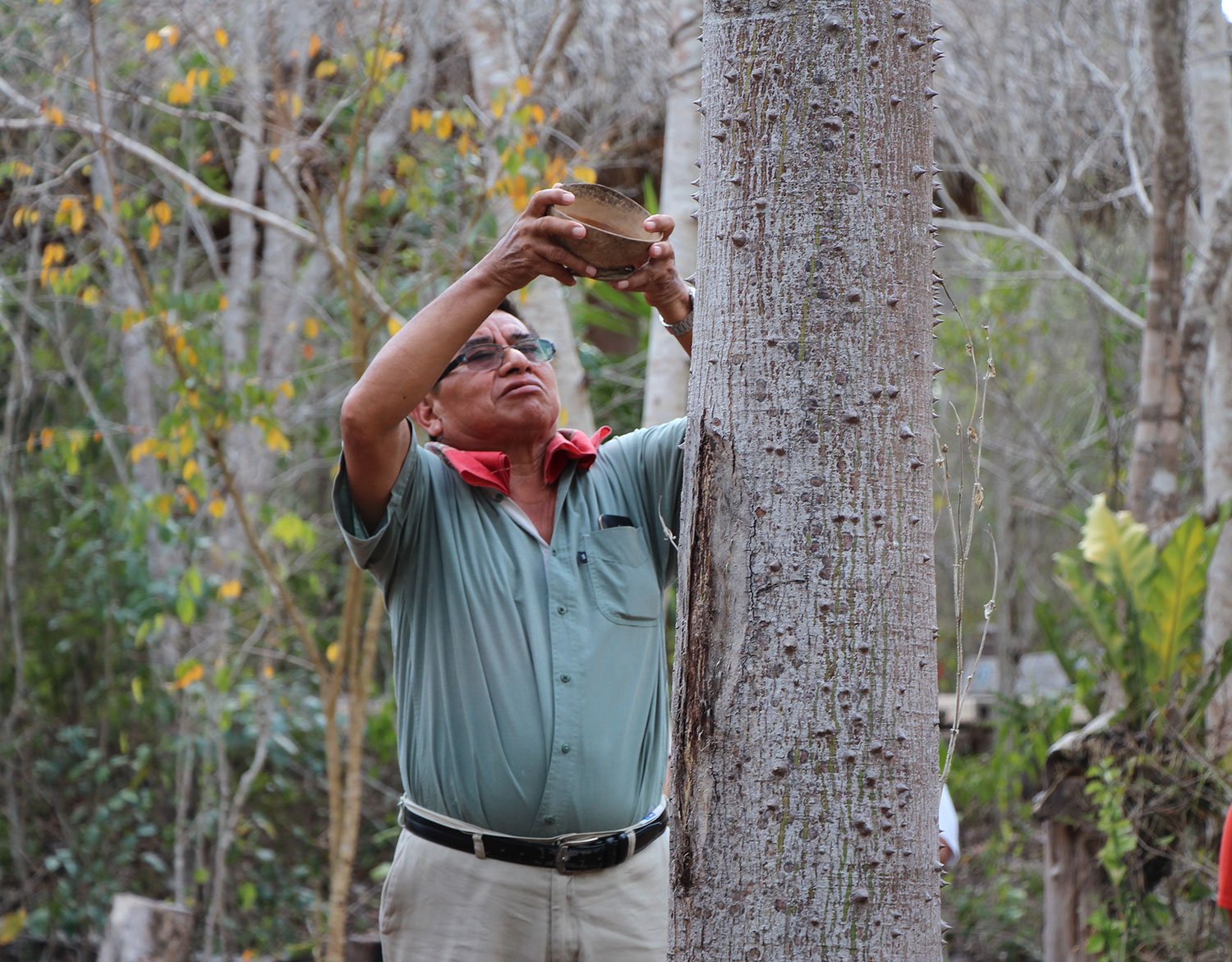
Here in Quintana Roo, Mexico, Maya heritage is not simply a reminder of an ancient civilization. It is part of everyday life.
The Maya region is often associated with remarkable archaeological sites, but its cultural heritage extends far beyond ancient cities and stone temples. It lives in the language spoken between family members, the knowledge passed down through generations, traditional cooking, local crafts, and the customs that bring communities together.
The Maya language, Maayat’aan, continues to be spoken across the Yucatán Peninsula, including in and around Felipe Carrillo Puerto, where Na’atik calls home. Like every living language, it carries more than words. It holds stories, ways of understanding the world, and connections between generations.
Preserving this heritage means recognizing that Maya culture is not confined to the past. It continues to evolve through the people who speak the language, practice traditions, share their knowledge, and shape the future of their communities.
Learning Through Connection
At Na’atik, cultural exchange is an important part of learning. Students who come to Felipe Carrillo Puerto to study Spanish have the opportunity to experience daily life in a community shaped by Maya heritage, rather than encountering the region only as visitors passing through.
Conversations with local residents, time spent with host families, and everyday experiences offer opportunities to learn about different perspectives and ways of life. These encounters can challenge assumptions, encourage curiosity, and remind us that meaningful cultural understanding begins with listening.
For many participants, these connections become an important part of their experience, long after their time in Mexico has ended.
Beyond a Day of Recognition
Recognizing Indigenous peoples means more than celebrating cultural traditions. It also means respecting Indigenous languages, valuing community knowledge, and recognizing the importance of Indigenous voices in decisions that affect their futures.
For those who visit, learn, or work alongside Indigenous communities, it is an invitation to approach cultural exchange with humility and respect. It means understanding that communities are not simply guardians of the past. They are actively shaping the future.
At Na’atik, we believe that learning a language can open the door to something much greater: a deeper connection with people, their histories, and the places they call home.
This October, as we reflect on Indigenous Peoples’ Day in the United States and Día de la Nación Pluricultural in Mexico, we invite our community to look beyond a single date and appreciate the living heritage of the Maya region, not only for what it preserves from the past, but for everything it continues to contribute to the present and future.
To learn more about Na’atik’s English language program for local and Indigenous students in Felipe Carrillo Puerto, visit our Impact Page. We are only able to provide this much needed program thanks to the support of generous donors and the funds raised from our award winning Maya and Spanish Immersion Program. If you would like to support our mission please consider donating today or take a look at our immersion programs and online class packages.