
Mexican Salsas How Mexico Eats Flavor Heat and Tradition
In Mexico salsa is not simply a condiment, it is part of daily life. Food is rarely eaten plain and almost every dish is meant to be paired with a specific salsa. For visitors this can be surprising because Mexican salsas are not only spicy they can be sweet, smoky, acidic, fresh or deeply complex.
Understanding how salsas are used helps travelers understand how Mexicans eat, socialize and express identity through food.
THE ROLE OF CHILE IN MEXICAN SALSAS
Mexico is the birthplace of the chile and has dozens of native varieties. Heat is not avoided but integrated into everyday meals. What matters is balance not intensity alone.
Commonly used chiles include jalapeño, which is fresh and herbal; serrano, which is sharper and very common; chile de árbol, which is small but intense; guajillo, which adds depth more than heat; ancho and pasilla, which are sweet and smoky; chipotle, which is smoked and rich and habanero, which is extremely hot and typical of the south.
A common cultural surprise is that Mexicans may say no pica even when the salsa feels very hot to foreigners!
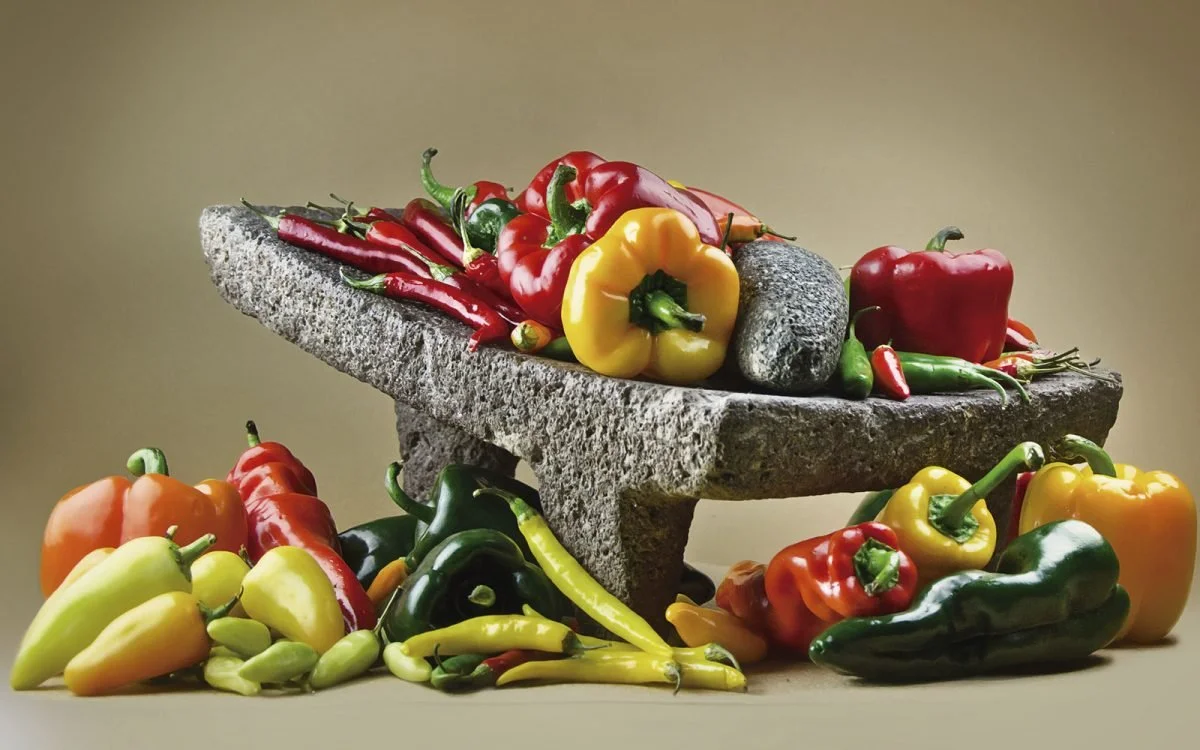
Photo by México Desconocido
Everyday Table Salsas and How They Are Eaten
The most common salsas in Mexico are fresh table salsas. These are placed on the table by default and added gradually to food.
They are eaten by spooning small amounts onto tacos, quesadillas, eggs, beans, rice or grilled meats. They are not poured all over the dish at once. Each bite can be adjusted.
Classic examples include salsa roja, made with red tomato and salsa de chile verde, made with tomatillo and roasted salsas where ingredients are charred for deeper flavor.
They are essential in dishes like tacos al pastor, enchiladas, chilaquiles and huevos rancheros.
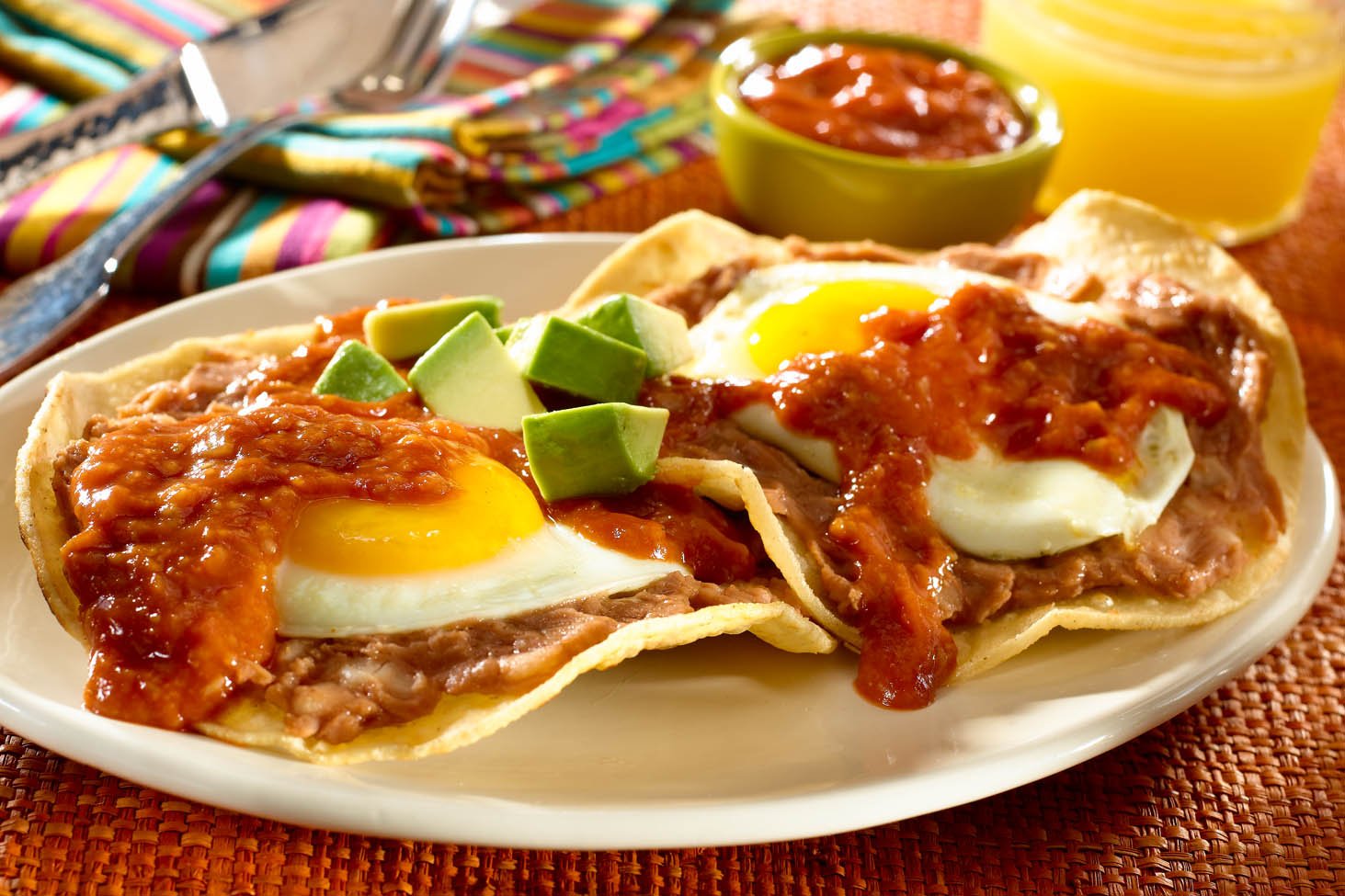
Photo by Goya Foods
Smoky and Roasted Salsas
Some Mexican salsas are built around dried or smoked chiles. These salsas are darker, deeper and less acidic with earthy flavors.
They are commonly eaten with grilled meats especially carne asada and are popular in northern and central Mexico. They are also paired with beans and warm tortillas.
Chipotle and morita based salsas are especially common in these preparations.
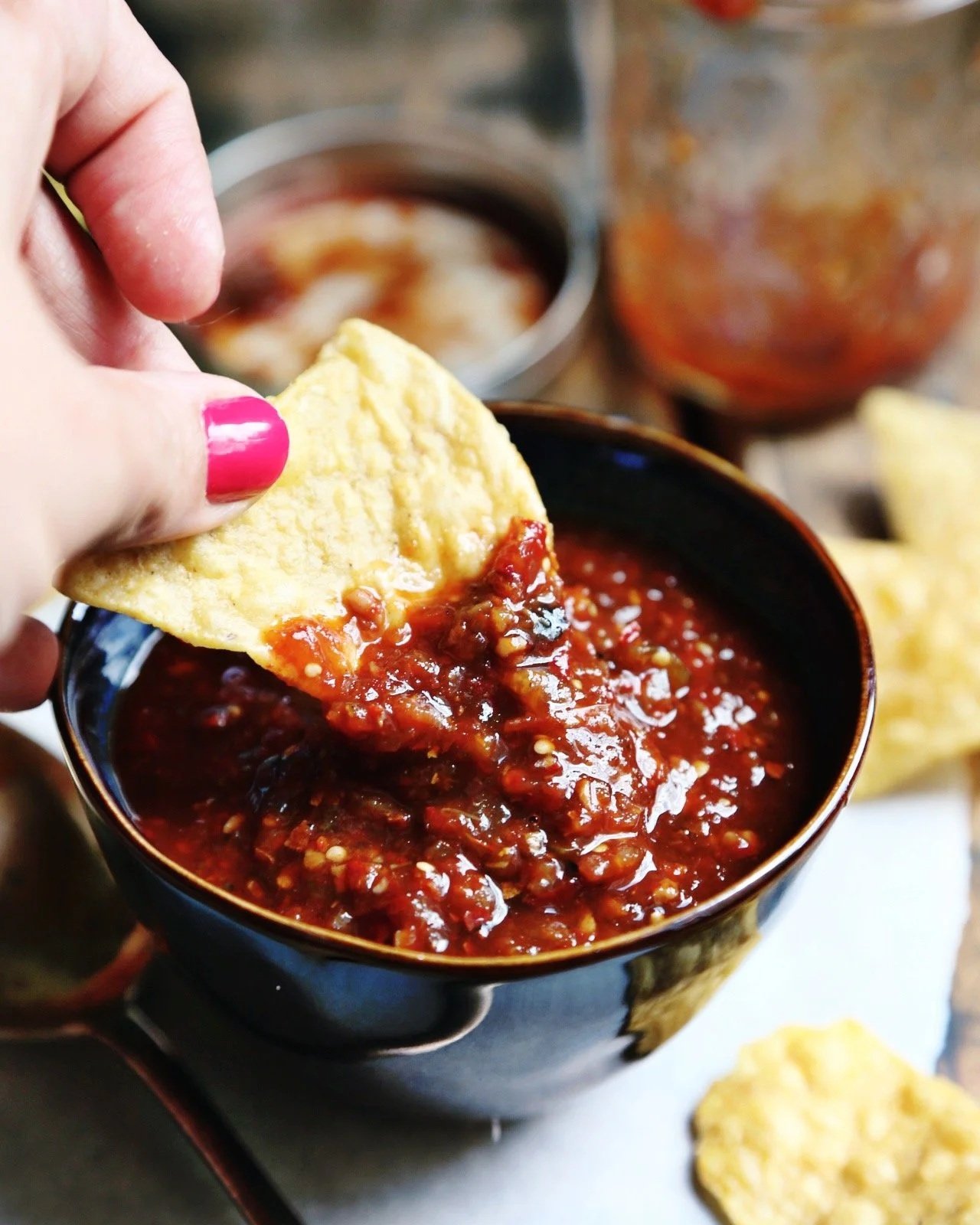
Photo by Homemade Home
Sweet and Sweet Spicy Salsas
One of the biggest surprises for visitors is the Mexican habit of combining fruit sweetness with chile heat.
Sweet or sweet spicy salsas are commonly poured over fresh fruit like mango, pineapple or watermelon. They are also used on candies, shaved ice and frozen treats.
Famous examples include chamoy tamarindo salsas and mango chile blends. These flavors are considered snacks not desserts.
Eating fruit with limón, sal and chile is completely normal in Mexico.
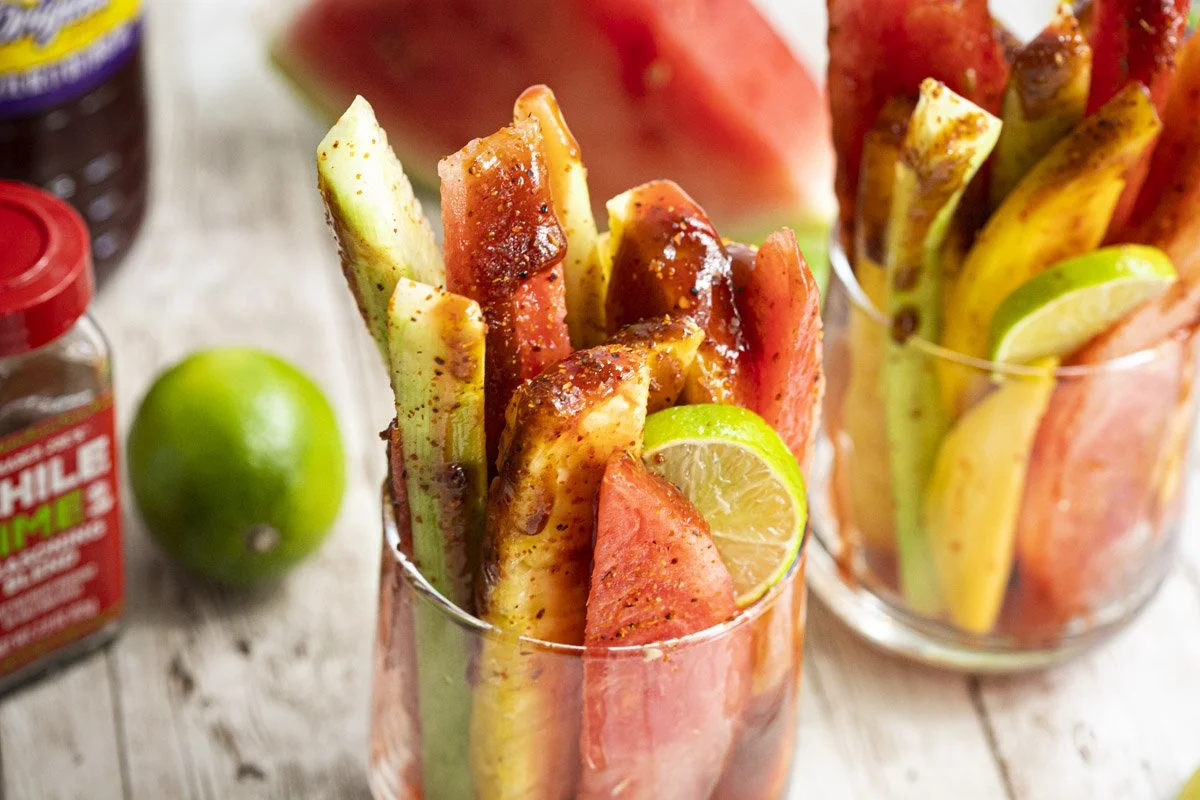
Photo by FOOD is Four Letter Word
Snack and Botanera Salsas
Mexico has a category of salsas made specifically for casual eating and social moments. These are known as salsas botaneras.
They are eaten with potato chips, peanuts, popcorn, cucumber, jícama, carrots or mixed into drinks like micheladas. The heat level is usually moderate and the texture thicker.
Well known commercial examples include Valentina, Bufalo Botanera and Picamas.
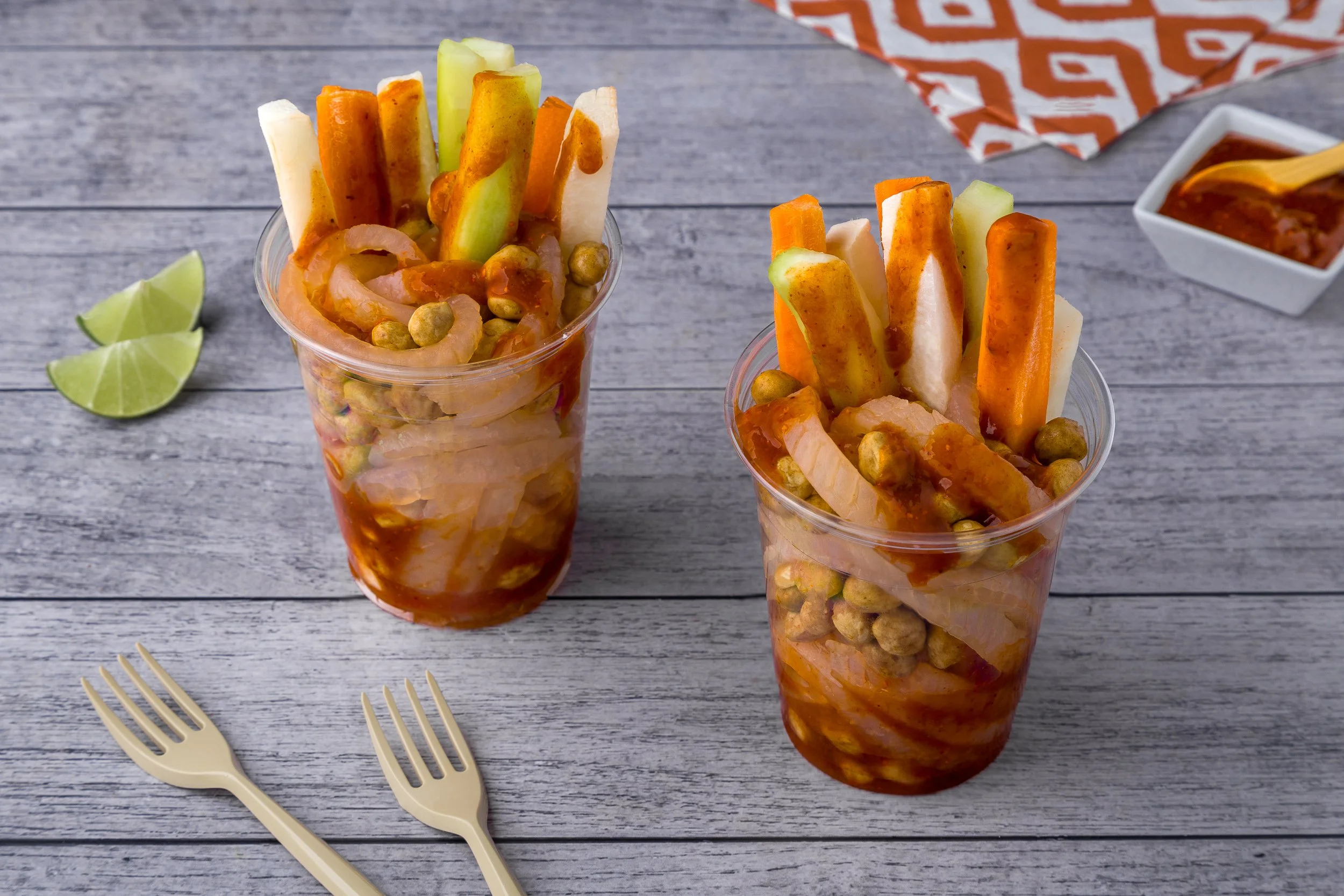
Photo by Recetas Nestlé
Commercial Salsas Versus Homemade Salsas
Commercial salsas are widely available, consistent and usually milder. They are common in supermarkets and exported worldwide. Brands such as Cholula Tapatío, La Costeña and Herdez are familiar to many foreigners.
Homemade salsas are a different experience. They are fresher, often much spicier and change depending on season and family tradition.
A key warning for visitors is that street food salsa is often far hotter than bottled salsa.
Regional Salsa Traditions
In northern Mexico salsas tend to be roasted simpler and paired with meat. The chiltepín pepper is common and meals focus on grilling and flour tortillas.
In central Mexico there is the greatest variety. Green salsas made with tomatillo dominate and heat is usually balanced. This region includes places like Ciudad de México and Puebla where street food culture is strong.
In southern and southeastern Mexico salsas are significantly spicier. The habanero chile is central, especially in Yucatán. In Oaxaca dark complex salsas made with toasted ingredients are famous.
In some southern regions children grow up eating habanero chile regularly.
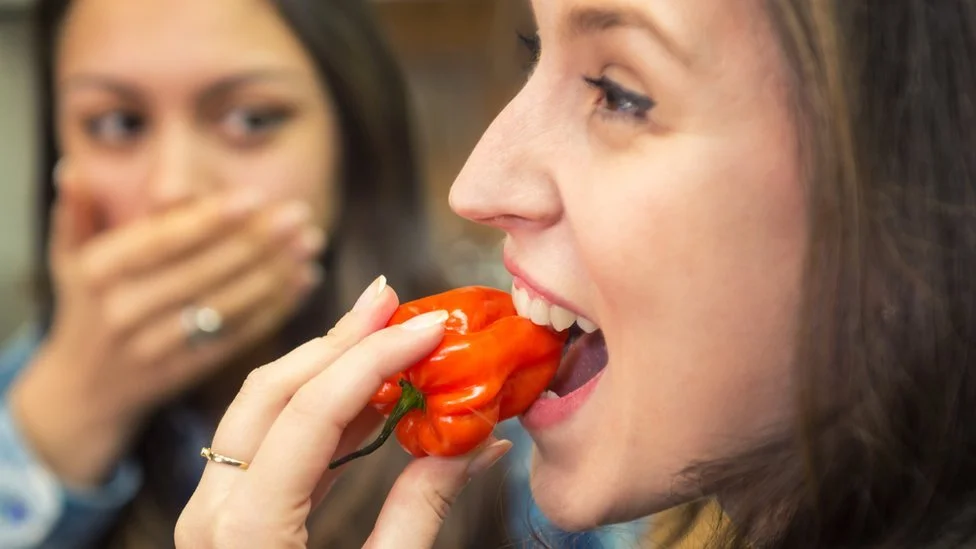
Photo by El Observador
Salsa Is Not Optional
In Mexico food is expected to be eaten with salsa. Restaurants and street vendors do not ask if you want it. They ask which one.
Different salsas are used for different bites and mixing them is common. Choosing the right salsa for the right food is part of the eating experience.
Advice for Foreign Visitors
Start with small amounts. Ask if it is very spicy but remember that answers are subjective. Do not trust color alone. Be cautious with habanero chile. Try multiple salsas with the same dish.
More Than Heat A Cultural Expression
Mexican salsas are not about showing toughness. They represent history, geography, family, tradition and creativity.
To eat salsa in Mexico is to participate in the culture itself, bold, layered, intense and unforgettable.
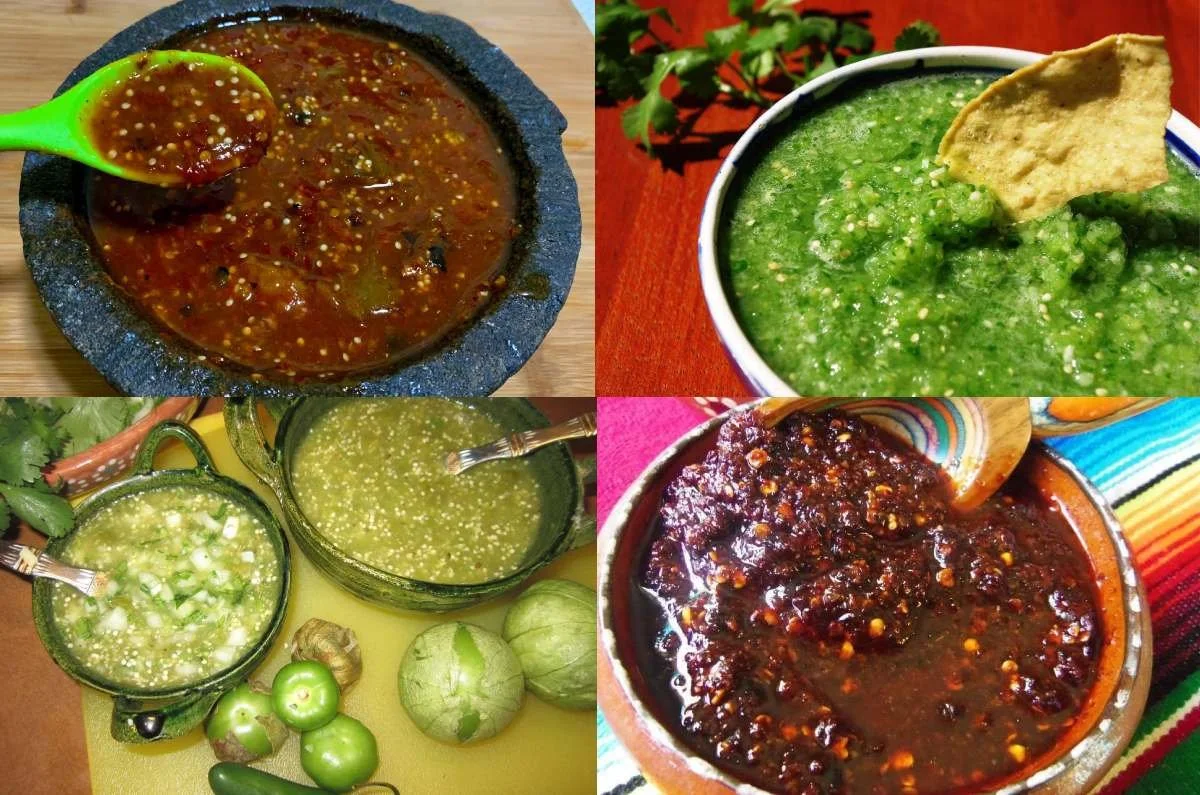
Photo by Cocina Vital
To learn more about Na’atik’s English language program for local and Indigenous students in Felipe Carrillo Puerto, visit our Impact Page. We are only able to provide this much needed program thanks to the support of generous donors and the funds raised from our award winning Maya and Spanish Immersion Program. If you would like to support our mission please consider donating today or take a look at our immersion programs and online class packages.