
The Origins of Piñatas in Mexican Posadas and Beyond: A Tradition of Faith, Culture, and Celebration
Every December in Mexico, streets, homes, and community spaces come alive during las posadas, a nine-day celebration leading up to Christmas that reenacts Mary and Joseph’s search for shelter. One of the most recognizable elements of these gatherings is the piñata.
However, piñatas are not exclusive to posadas. Today, they are an essential part of birthdays, school events, community festivals, fundraisers, and family celebrations throughout the year. What began as a religious and symbolic object has evolved into a shared cultural practice rooted in joy, learning, and togetherness.
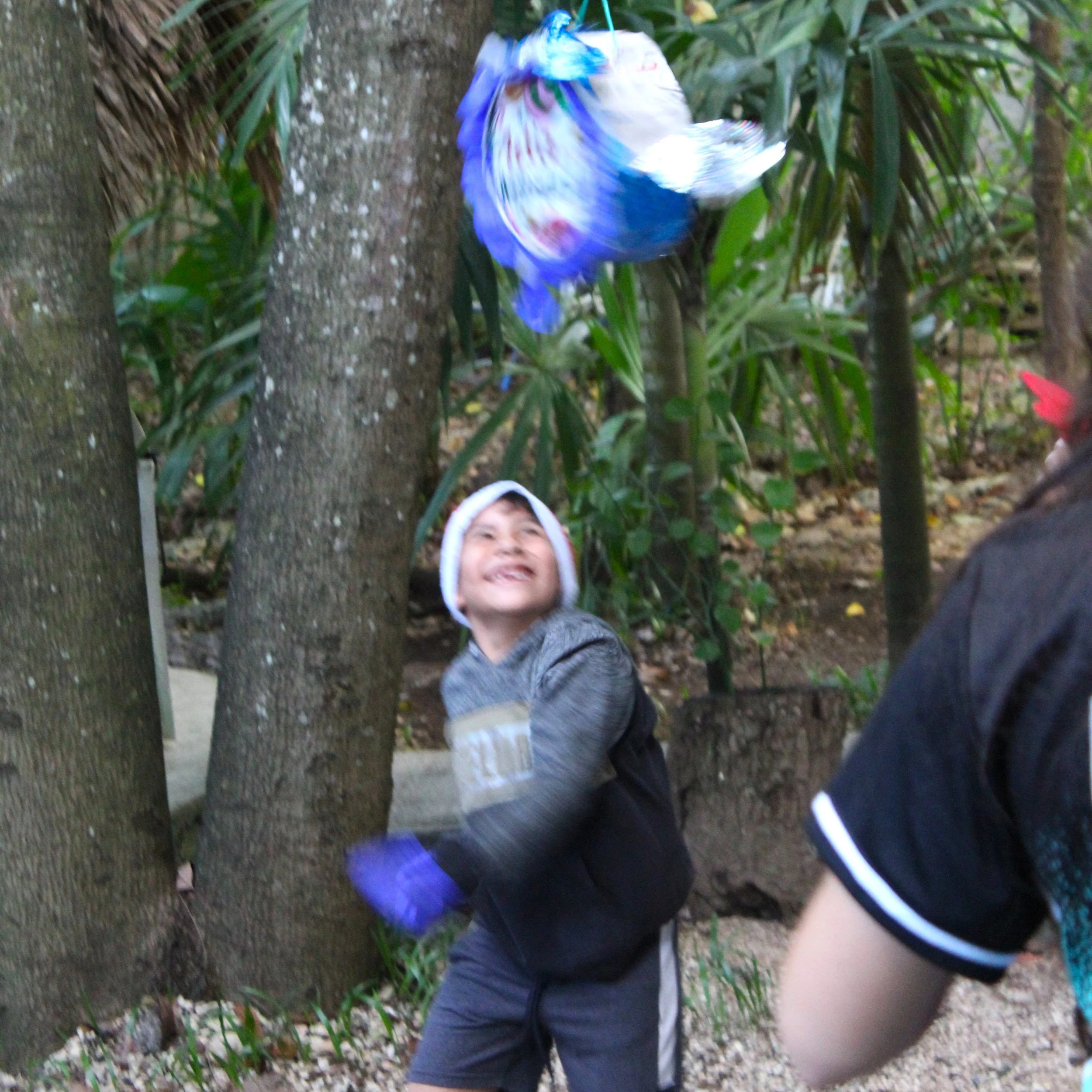
Na’atik Student 2025
A Journey Across Continents
The history of the piñata stretches far beyond Mexico. Some scholars trace its earliest forms to ancient China, where clay figures filled with seeds were broken during New Year celebrations as a ritual to attract prosperity and good fortune. Through trade routes, this custom eventually reached Europe, particularly Italy and Spain, during the Middle Ages.
In Spain, a decorated clay pot known as “the pignatta” was used in religious festivities, especially during Lent. Spanish missionaries later brought this tradition to the Americas during the colonial period.
Piñatas as a Tool for Evangelization
In the 16th century, Augustinian friars introduced the piñata to New Spain as part of their evangelization efforts. One of the earliest documented uses of piñatas in Mexico took place in Acolman, near Teotihuacán, where friars incorporated them into the newly established posadas.
The piñata became a powerful teaching tool. Its visual symbolism allowed religious concepts to be communicated clearly, even across language barriers and different literacy levels.
The Symbolism Behind the Traditional Piñata
The classic posada piñata takes the form of a seven-pointed star, and each element carries a symbolic meaning rooted in Catholic doctrine:
The seven points represent the seven deadly sins
Bright colors symbolize worldly temptations
The blindfold represents faith without sight
The stick symbolizes virtue and spiritual strength
Breaking the piñata represents overcoming sin
The fruits and sweets inside symbolize divine grace and blessings
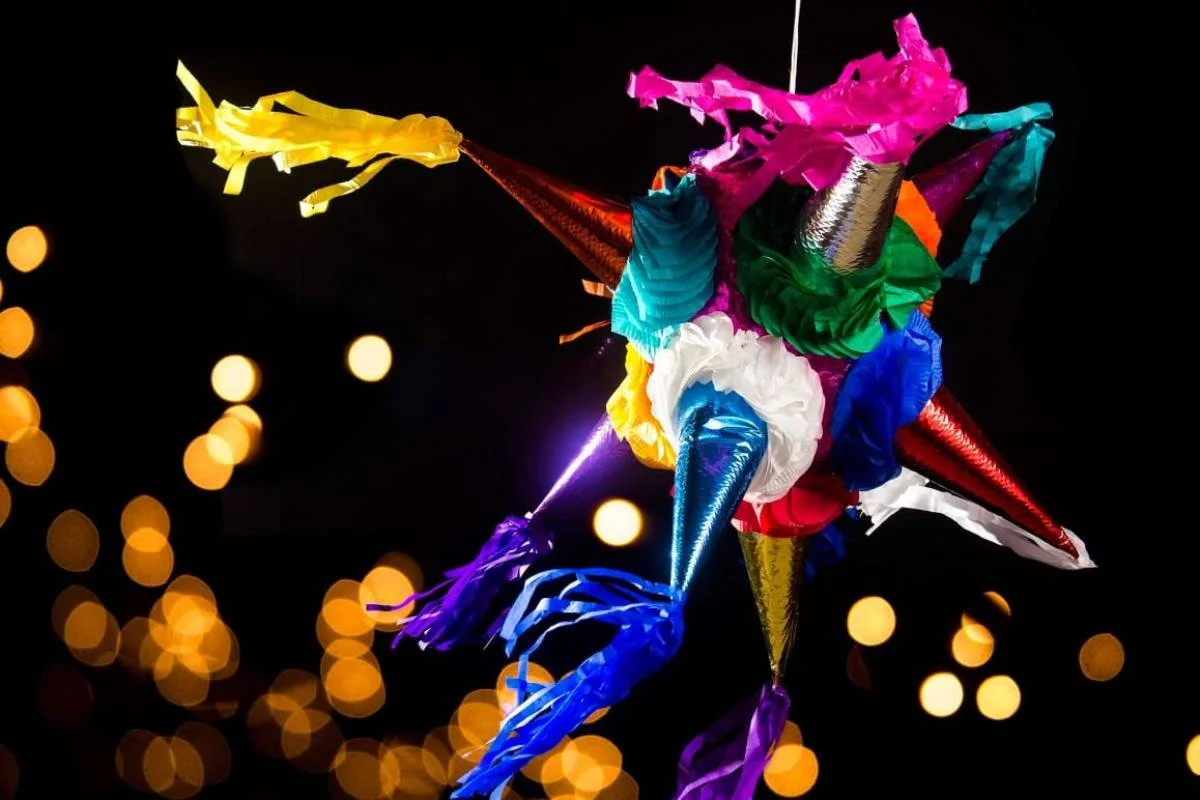
Photo by SINALOA EN LÍNEA
What may look like a simple game is, in fact, a ritual that once carried a clear moral and spiritual lesson.
Pre-Hispanic Roots and Cultural Syncretism
Long before European contact, Indigenous cultures in Mesoamerica practiced ceremonies that involved breaking decorated clay vessels filled with offerings. Among the Mexica, similar rituals were part of celebrations honoring Huitzilopochtli, the god of war and the sun, often held near the winter solstice.
Rather than erasing these traditions, missionaries adapted them to align with Christian celebrations. This process of cultural syncretism allowed the piñata to become a bridge between Indigenous worldviews and European religious teachings.
Beyond Posadas: Piñatas in Everyday Celebrations
Today, piñatas are used far beyond religious contexts. They are a staple of:
Children’s birthday parties, often shaped like cartoon characters, animals, or superheroes
School celebrations, such as end-of-year events or cultural days
Community festivals and fundraising events
Family gatherings, including anniversaries and local traditions
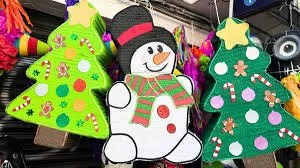
Photo by Chilango MX
In these settings, the explicit religious symbolism may no longer be present, but the piñata continues to represent participation, anticipation, and collective joy.
What’s Inside: Then and Now
Traditionally, piñatas were filled with seasonal fruits and simple foods, reflecting agricultural cycles and local resources, such as:
Sugarcane (caña)
Oranges
Peanuts
Jicama
Tejocotes (hawthorn fruit)
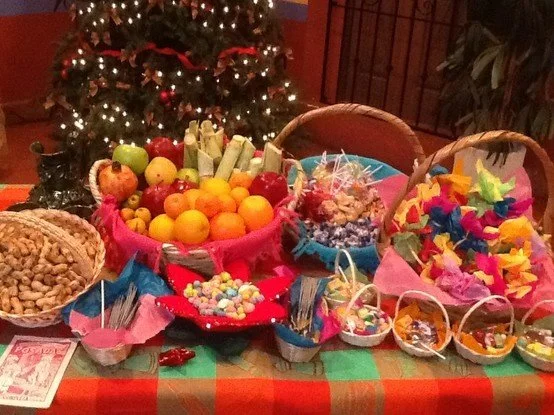
Photo by Rivera Maya Suites
Today, modern piñatas are commonly filled with:
Individually wrapped candies and chocolates
Small toys or trinkets
Confetti
Stickers or party favors
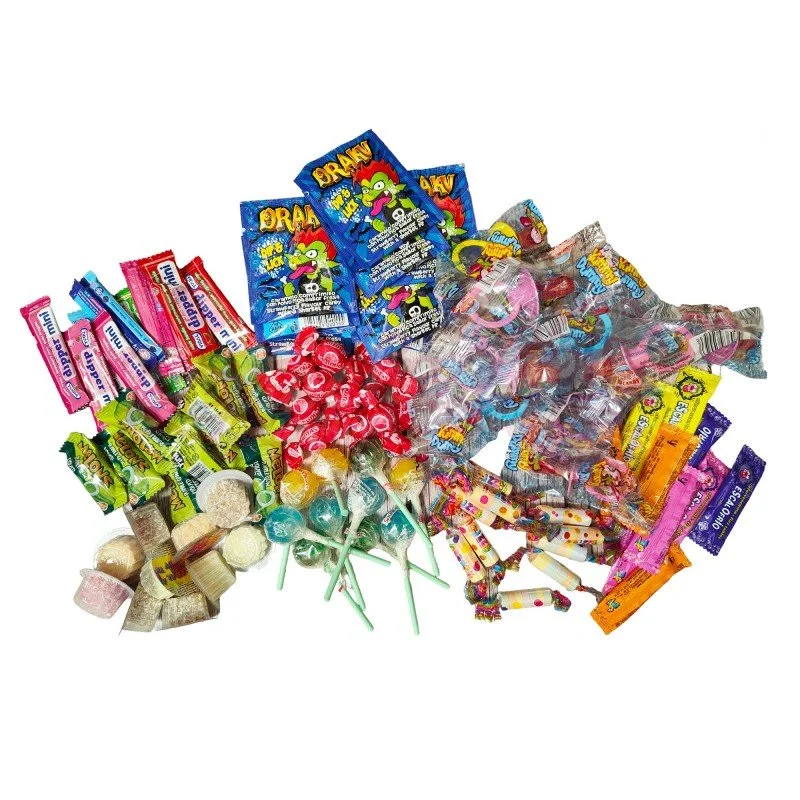
Photo by RetroChuche
This evolution reflects changing lifestyles and tastes while preserving the central idea of shared reward after collective effort.
A Living Tradition
From sacred symbolism to playful celebration, the piñata has adapted across centuries without losing its essence. It remains a powerful expression of Mexican cultural identity and a reminder of how traditions evolve while staying deeply rooted in community life.
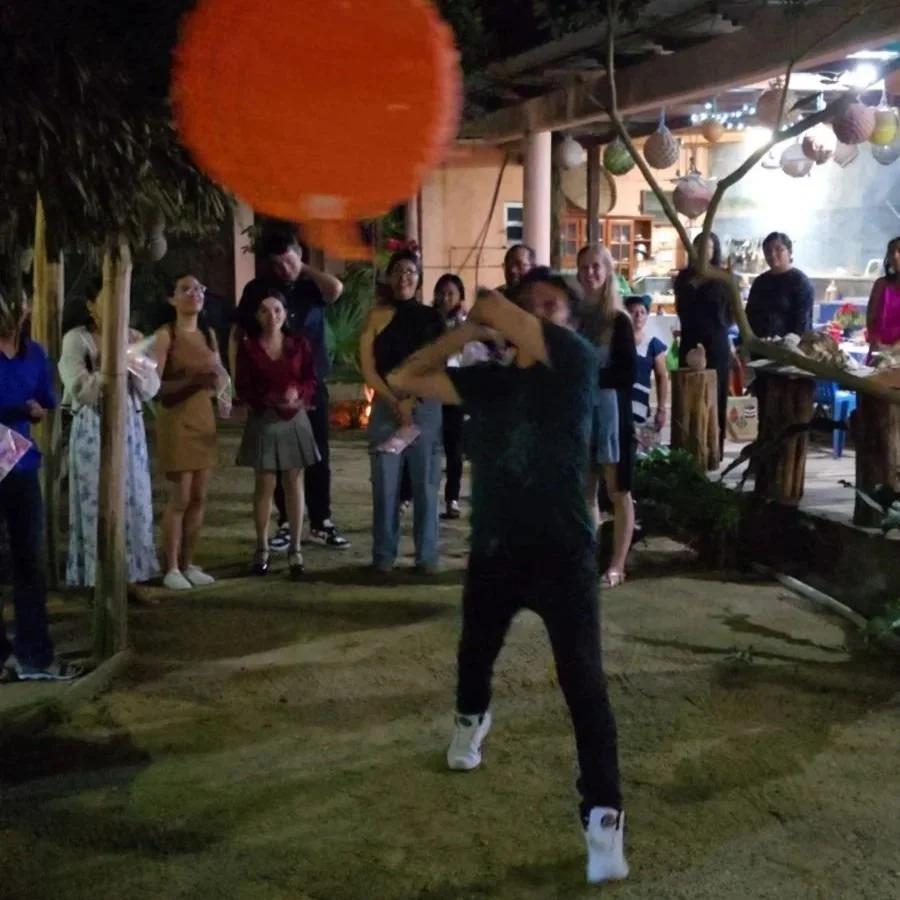
Na’atik 2025 Staff Posada
At Na’atik, traditions like the piñata offer meaningful opportunities to explore language, history, and cultural identity, reminding us that learning extends far beyond the classroom and is strongest when it is lived, shared, and celebrated together.
To learn more about Na’atik’s English language program for local and Indigenous students in Felipe Carrillo Puerto, visit our Impact Page. We are only able to provide this much needed program thanks to the support of generous donors and the funds raised from our award winning Maya and Spanish Immersion Program. If you would like to support our mission please consider donating today or take a look at our immersion programs and online class packages.