Preserving Maya Heritage: Erick’s Maya Glyph Writing Workshop
At the end of February, Na’atik’s Head of English and Maya native speaker, Erick, led a special workshop introducing students to the ancient Maya glyph writing system. Erick, one of our first scholarship students, is trying to keep the Maya culture alive. He’s from a small Maya community in Quintana Roo and grew up learning Maya from his family and neighbors.
While the modern Maya language is written using the Latin alphabet, Maya glyphs were the original writing system during the Maya classical period. They were widely used until the 16th century after the Spanish conquest. Maya glyphs fell out of use and were lost to history until the 20th century, when they were deciphered.
Maestro Erick wants our students to understand how the Maya language was originally written. This extracurricular library session welcomed 11 local students and two immersion students who came together to learn how to write their own names using Maya glyphs. After the workshop, we spoke with Erick about the experience, the learning process, and what surprised him most.
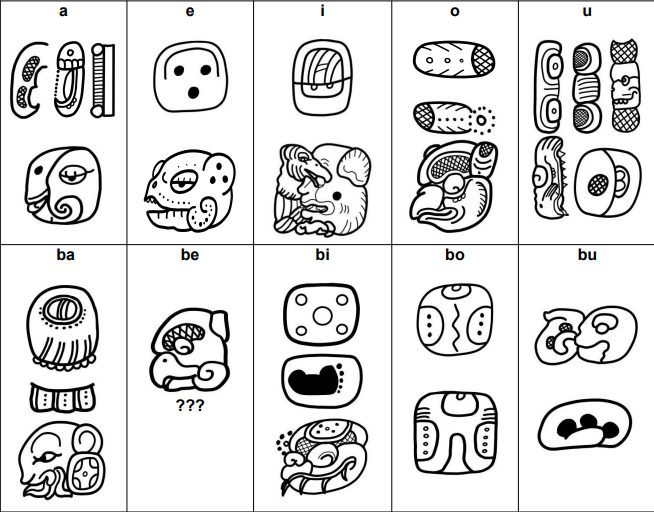
Here are some of the many glyphs Erick used to teach the workshop. These glyphs represent specific sounds.
Catálogo y glosario introductorio de la escritura jeroglífica maya (Humberto, Albornoz, 2025)
How does Maya glyph writing work?
Erick began the workshop with a presentation introducing students to the historical and cultural context of Maya glyph writing. He presented information about the Maya culture: an overview of the civilization, the city-state network, mathematical breakthroughs, and hieroglyphic writing. After the introduction, he began the workshop on how to write names with Maya glyphs.
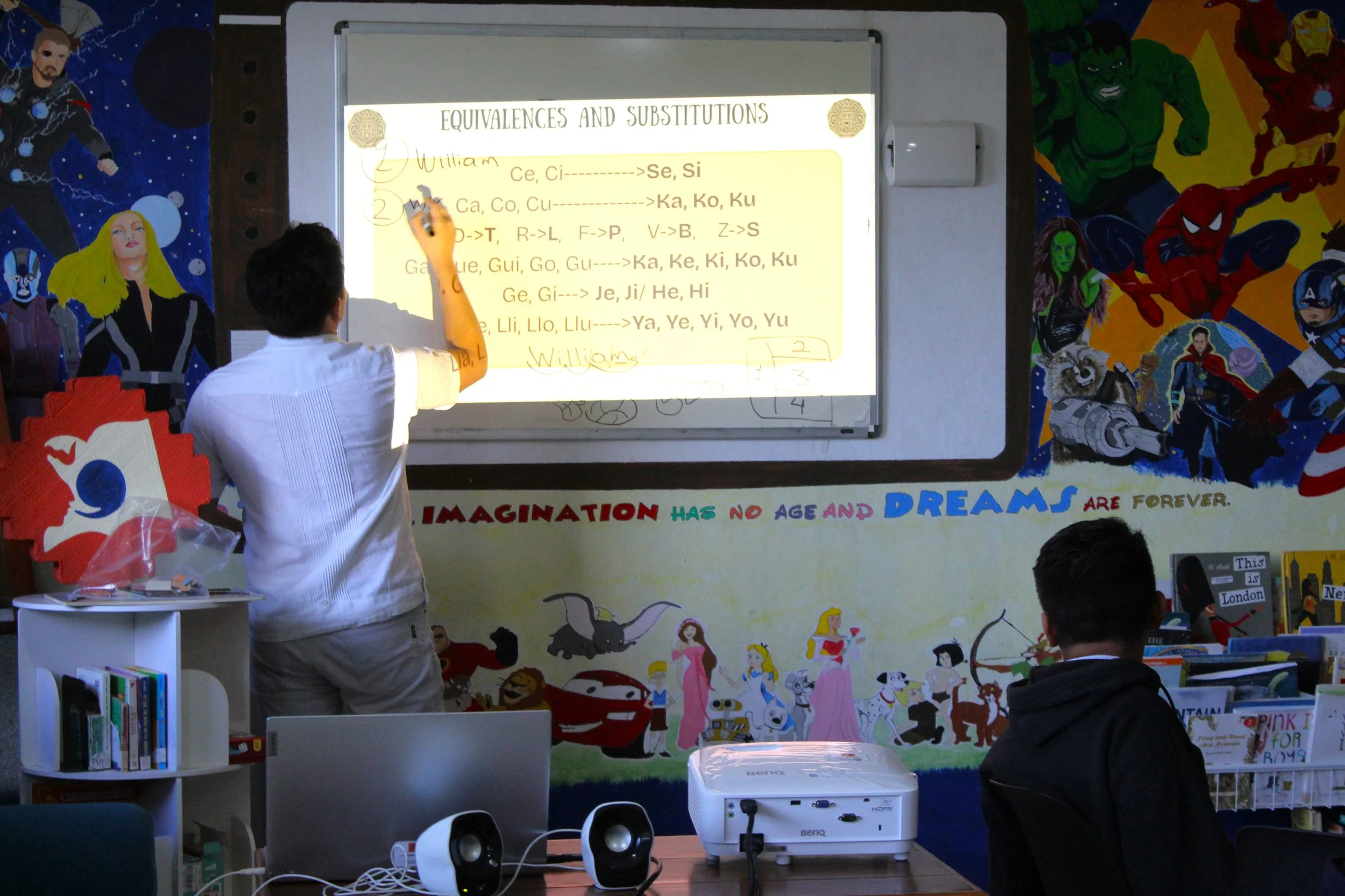
Erick walked them through the process of converting their names into glyphs based on their phonetic sounds. He broke down the process into steps:
Divide words with a syllabic or vowel value.
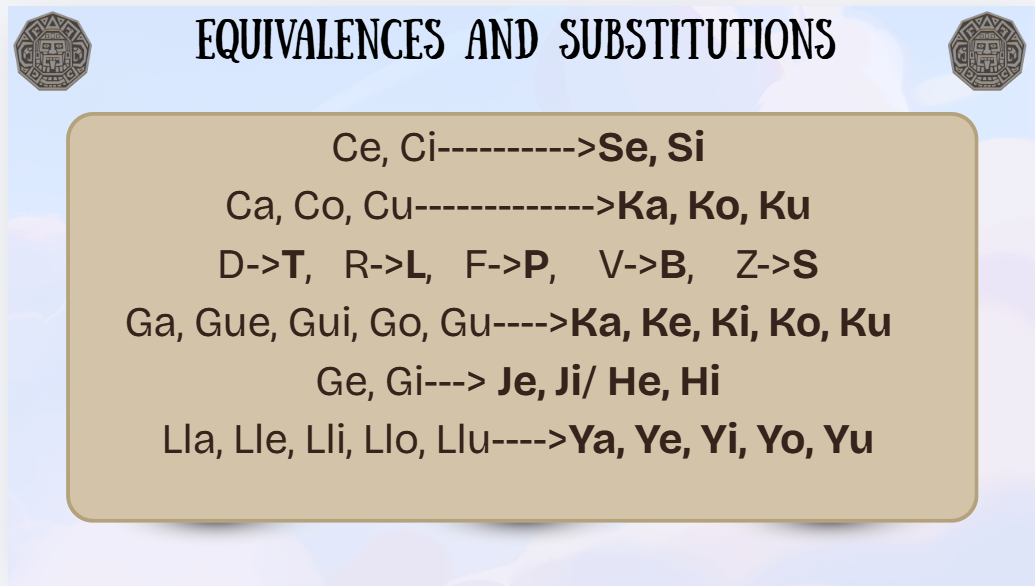
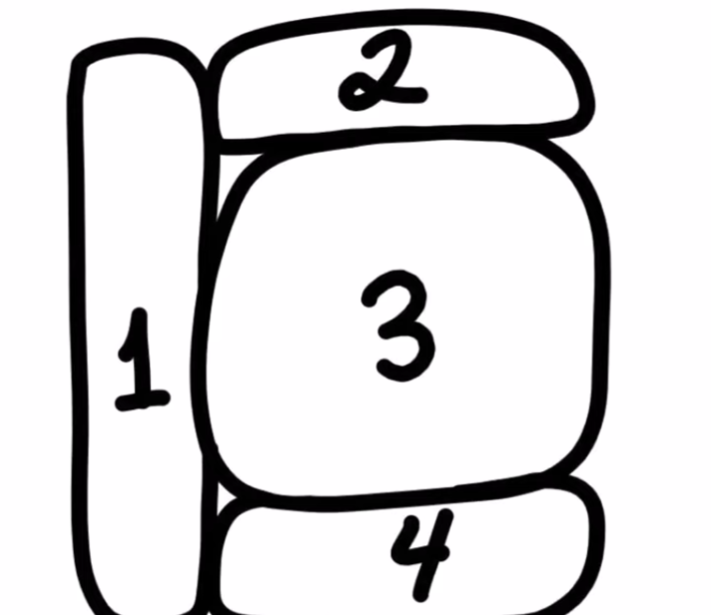
Look for the signs that represent the sounds of those words in the syllabary (see equivalents or substitutions to replace Spanish sounds with Maya sounds).
Organize the signs considering the reading order of the system.
Getting students engaged
Like many workshops with younger learners, capturing attention at the beginning can sometimes be challenging. Erick shared that the concept initially felt difficult for some students but once students saw a practical example, their curiosity quickly grew.
“At first, it was difficult to capture the students' attention with this concept. I believe that it was because they were too young. However, when one student, Santiago, learned how to create an example [of a glyph] on the board, everyone began making their own.”
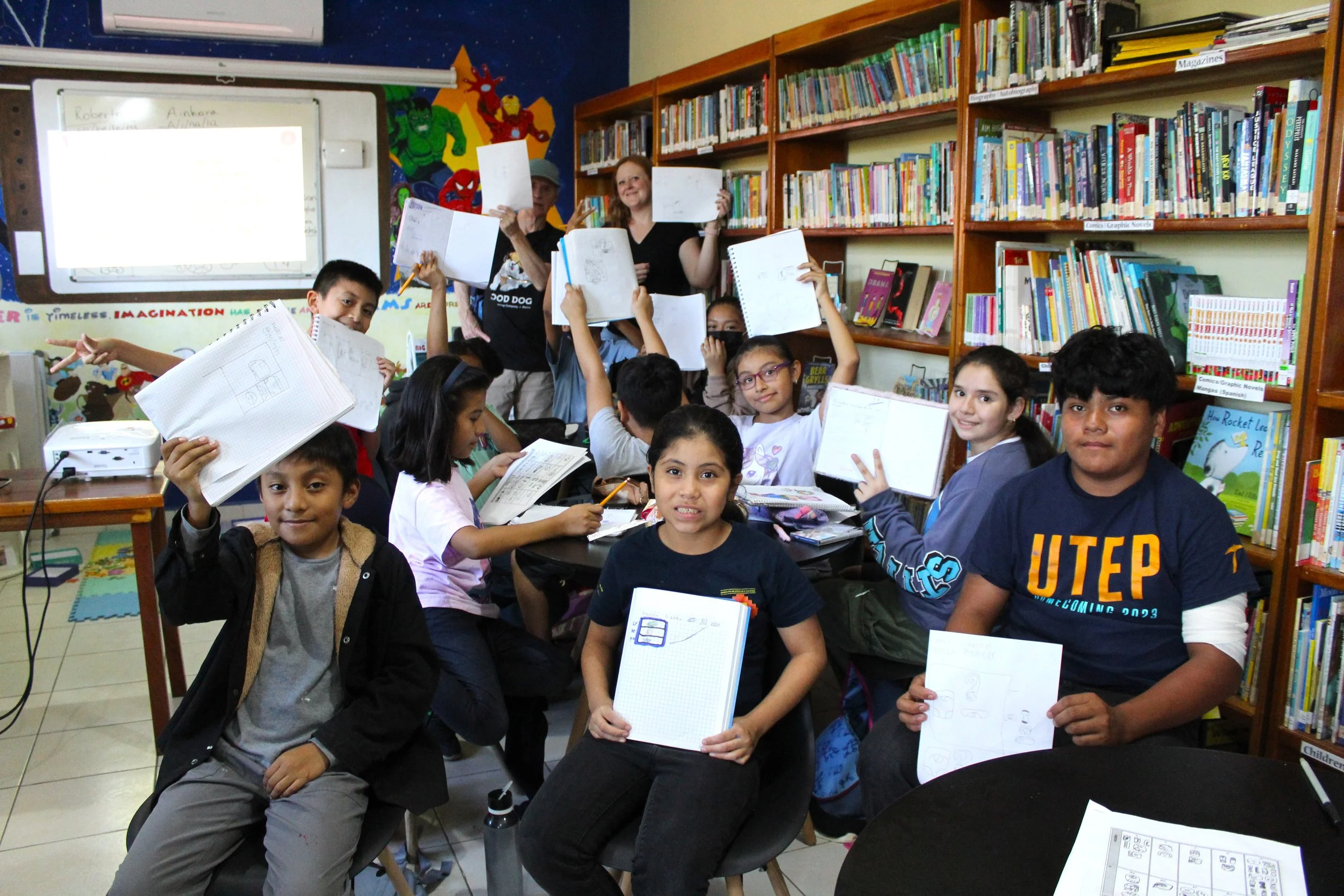
Soon, the room was filled with students experimenting and writing their names. Erick shared,
“I think the explanation was quite easy and understandable since foreign attendees, MaS students, could also make their names with Maya glyphs very quickly and easily.”
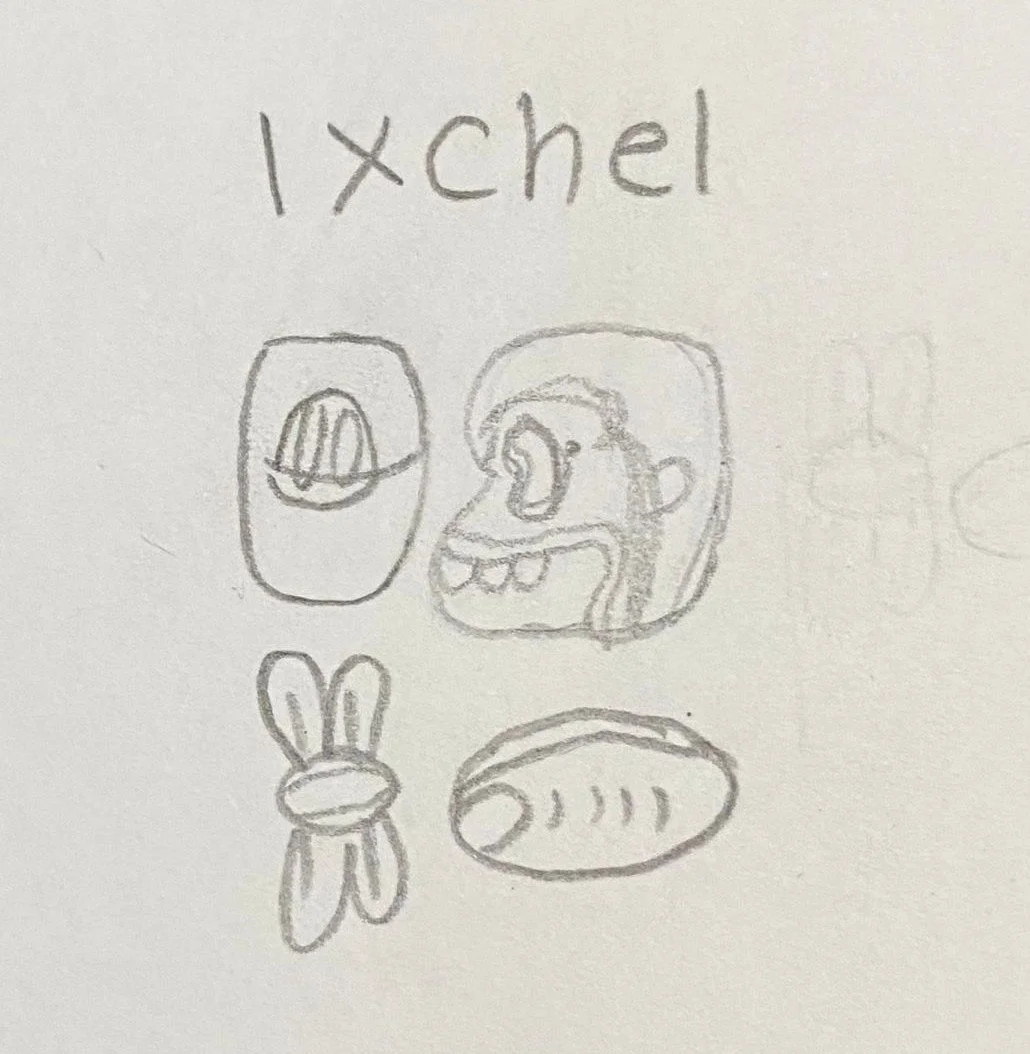
Ixchel, our marketing assistant’s name, is the name of the Maya goddess of the moon, fertility, childbirth, medicine, and weaving.
What surprised Erick the most
One of the most rewarding moments for Erick was seeing how excited the children became about expressing their names through symbols. The workshop also highlighted something more reflective about language and cultural transmission.
“I was surprised that many children were excited about making their names with symbols, and by the fact that the children mentioned to me that their parents do not teach them Maya, at least the speech. There were very few who said that they speak Maya at home with their parents or grandparents. Only about three students.”
Despite this, once students understood the system, they quickly began applying it beyond their own names. The students wrote their names and one student who was getting comfortable with writing the glyphs began to try the names of their family and friends.
Supporting language and culture at Na’atik
Workshops like this are part of Na’atik’s mission to connect languages, cultures, and communities. By introducing students to Maya glyph writing and history, we help create spaces where cultural heritage can be explored, shared, and preserved.
A huge thank you to Erick for leading such an engaging and meaningful workshop. These activities are also made possible thanks to the generosity of our supporters. Donations help fund our library and workshops, allowing us to continue offering opportunities like this for students in Felipe Carrillo Puerto.
Want to help us do more amazing workshops like this?
Donate and become a Changemaker.What is a Changemaker? It’s our monthly giving club, where supporters can support us month by month. Read more here and become a Changemaker today!
Interested in learning Maya? Ready to learn or improve your Spanish? Then sign up for our Maya or Spanish immersion program. Every immersion course directly helps our students and community.