
Mexico: A Mosaic of Linguistic Identities
In Mexico, there isn’t just one way of speaking Spanish. The language reflects the influence of the many indigenous languages that have existed in the country long before the arrival of the Spanish. Mexican Spanish is the result of centuries of coexistence, adaptation, and blending between diverse cultures.
Words like chocolate, tomate, and aguacate, which come from Náhuatl, are used throughout the country. However, there are also words that are only used in certain regions or states, depending on the local indigenous language that predominates in the area. For example, Náhuatl had a strong influence in central Mexico, while in the southeast, the Maya language continues to play a major role.
A clear example of how these different indigenous languages influence modern Spanish, and make Mexico linguistically diverse, is the variety of ways people refer to a child. Depending on the region, you might hear someone say escuincle, chamaco, morro, buki, or boxito. These aren’t just synonyms; they are reflections of the rich cultural diversity found across Mexican territory.
The fact that some words come directly from an indigenous language (without a true Spanish equivalent), and that some of these words are still used daily, even if they weren’t commonly used before, also shows how ways of thinking and communicating are influenced by the region where people live. Each area leaves its own linguistic mark on the country, which explains why some words are only understood locally and how Mexican Spanish continues to evolve according to context. This provides a window into the country’s cultural diversity and offers an opportunity to connect with its history and traditions.
For visitors, learning a few of these words can help connect with the local culture and the people. Here are some words you might frequently hear if you visit the Yucatán Peninsula, which can help you better understand and communicate with locals:
Tuch – navel.
Xix – small leftover pieces of something, like crumbs.
Xek – literally “mixed”; also refers to a salad made with orange, tangerine, grapefruit, jicama, habanero chili, and salt, traditionally served during Janal Pixán.
Jícara – natural container made from a fruit shell.
Balam – jaguar.
Xux – literally “wasp”; also used in the expression “ponte xux” to tell someone to stay alert.
Xiik’ / Shik – armpit; also used to refer to a bird’s wing.
Malix – term used for mixed-breed dogs.
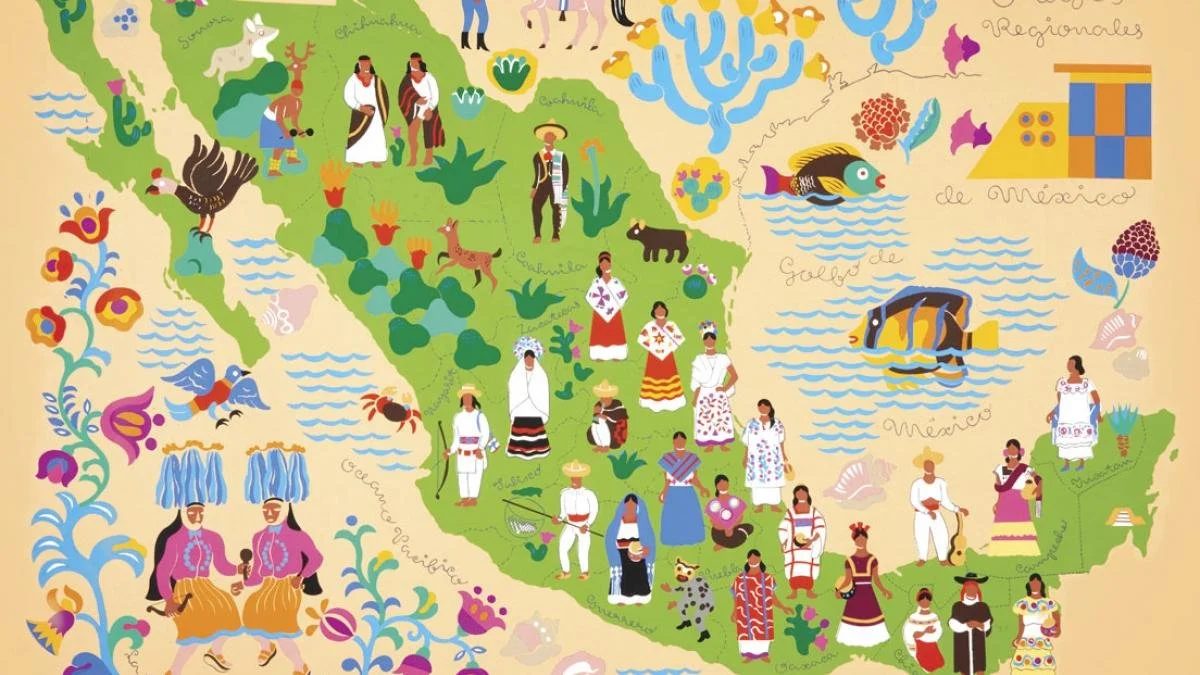
Photo taken by La Razón de México
To learn more about Na’atik’s English language program for local and Indigenous students in Felipe Carrillo Puerto, visit our Impact Page. We are only able to provide this much needed program thanks to the support of generous donors and the funds raised from our award winning Maya and Spanish Immersion Program. If you would like to support our mission please consider donating today or take a look at our immersion programs and online class packages.